
Beautiful Plants For Your Interior
Beautiful Plants For Your Interior
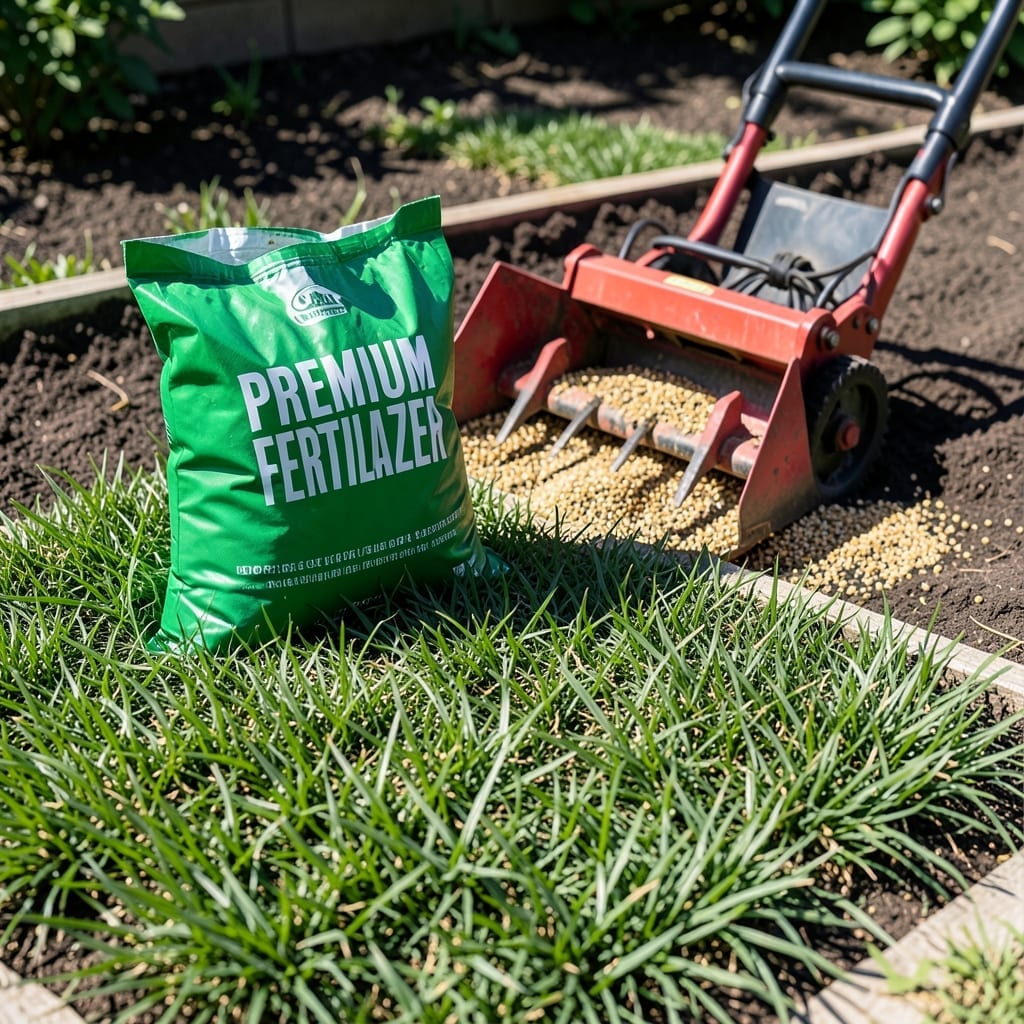
Timing your Bermuda grass fertilization correctly in Texas can mean the difference between a patchy, struggling lawn and a thick, vibrant green carpet.
With 8a’s extreme heat and varying rainfall, knowing the optimal schedule is the key to maximizing growth. The 🌱 Bermuda Grass in your yard has specific needs that change with the seasons.
I’ve seen too many homeowners waste time and money by fertilizing at the wrong times. The good news? There’s a simple, science-backed approach that works.
Discover the seasonal windows that will transform your lawn from ordinary to extraordinary. Let’s break down what you need to know to get it right.
Getting your Bermuda grass fertilization timing right in Texas is crucial for a lush lawn. The state’s hot climate and varying rainfall mean your grass has unique needs through the year.
I always tell fellow gardeners that seasonal timing is everything. Fertilizing too early or too late can waste your effort and even harm your lawn.
| Season | Action | Notes |
|---|---|---|
| Early Spring (March-April) | First Feed | When grass turns green |
| Late Spring (May) | Full Feed | Use 16-4-8 NPK |
| Summer (June-August) | Light Feed | Avoid heat stress |
| Fall (September) | Winterizer | Prep for dormancy |
| Winter (Oct-Feb) | Skip | Dormant period |
In early spring, wait until your Bermuda grass starts turning green. This usually happens when soil temps hit 65°F, typically in late March or April.
For late spring, I recommend a full feeding with a high-nitrogen fertilizer. The 16-4-8 ratio works perfectly for Texas conditions, promoting leaf growth and root development.
Summer is tricky. The Texas heat can stress your lawn, so switch to light feedings. Apply fertilizer every 6-8 weeks but reduce the amount to prevent burning.
As fall approaches, give your lawn a winterizer fertilizer in late September. This helps build root strength for the dormant winter months.
Remember, winter is off-limits for fertilizing. Your Bermuda grass is dormant and won’t benefit from the nutrients. Save your effort for spring.
For North Texas, you might start a bit later due to cooler springs. In South Texas, the growing season begins earlier, so adjust accordingly.
Always water your lawn after fertilizing to help the nutrients soak into the soil. This is especially important in Texas summers when evaporation is high.
With this seasonal schedule, you’ll keep your Bermuda grass healthy and vibrant all year long. 🌱
Choosing the right fertilizer for your Bermuda grass in Texas heat can feel overwhelming. I’ve tested countless products and found that high-nitrogen formulas work best for this climate.
The 16-4-8 NPK ratio is my go-to recommendation. It provides the perfect balance of nitrogen for leaf growth, phosphorus for roots, and potassium for stress resistance.
For sandy soils common in East Texas, I suggest using a slow-release fertilizer. These provide nutrients over time, preventing leaching from frequent summer rains.
In clay-heavy soils of North Texas, a standard 16-4-8 works well, but consider aerating first. This helps the roots absorb nutrients more effectively.
Application rates matter too. Stick to 1 lb of nitrogen per 1,000 sq ft for most feedings. In intense summer heat, cut this by 25% to avoid burning.
The best time to apply is early morning. This gives the grass time to absorb nutrients before the Texas sun gets too intense. Always water immediately after to activate the fertilizer.
With these fertilizer choices and application tips, your Bermuda will thrive even in the toughest Texas conditions. 🌱