
Beautiful Plants For Your Interior
Beautiful Plants For Your Interior
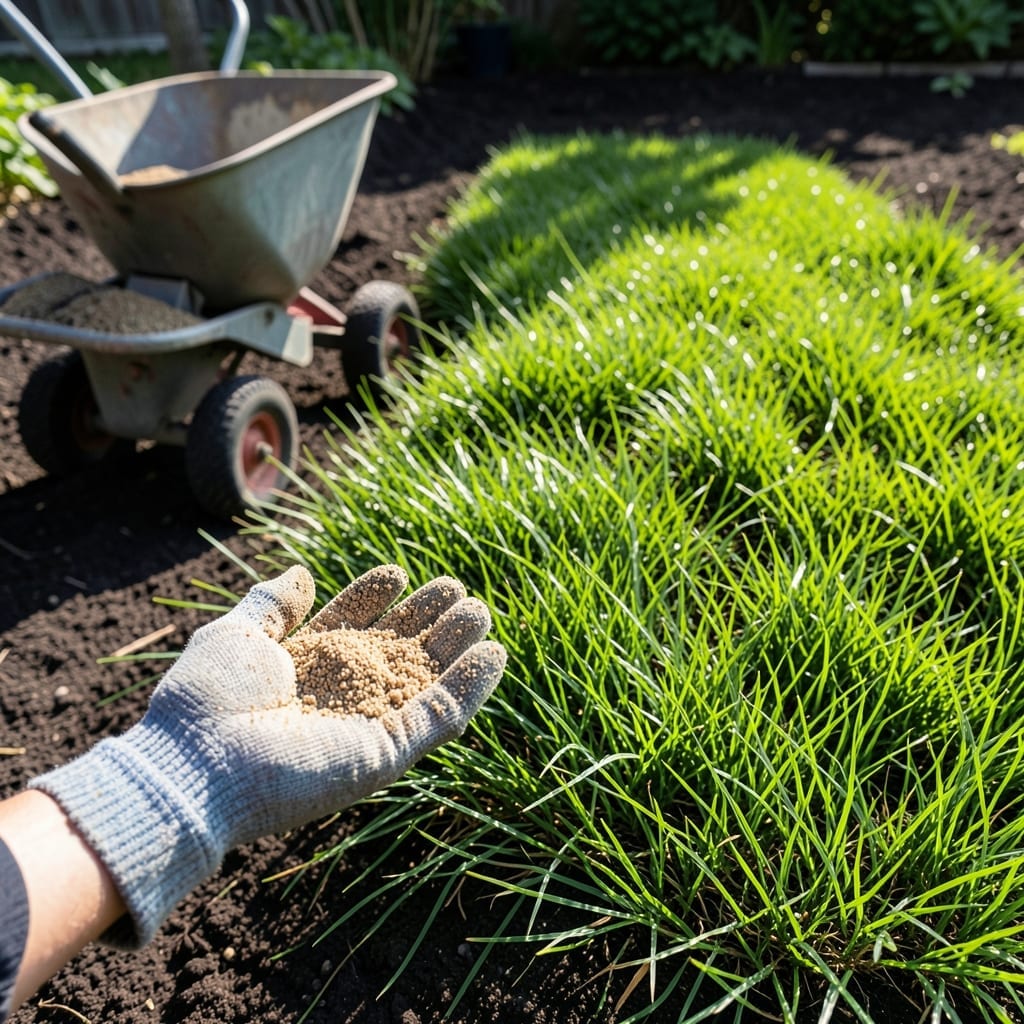
Timing your Bermuda grass fertilization in North Texas can make or break your lawn’s health. The region’s extreme heat and drought conditions demand a strategic approach to keep your grass thriving.
I’ve seen too many homeowners waste time and money by fertilizing at the wrong times. The key is aligning your schedule with the local climate and the 🌱 Bermuda Grass growth cycle.
Whether you’re a new homeowner or a seasoned gardener, understanding the optimal windows will transform your lawn. You’ll learn how to work with North Texas’s unique conditions, not against them.
Let me walk you through the most effective fertilization schedule that will give you that lush, green lawn you’ve been dreaming about.
Getting your Bermuda grass fertilization timing right is critical in North Texas. The region’s hot summers and mild winters create a unique growing environment that demands precision.
I always tell my gardening friends: soil temperature is your best indicator. When it consistently hits 65°F at a 4-inch depth, that’s your green light to start fertilizing.
| Season | Action | Notes |
|---|---|---|
| Early Spring | Light Feed | March, soil warming |
| Late Spring | Full Feed | April-May, active growth |
| Summer | Light Feed | June-August, heat stress |
| Early Fall | Full Feed | September, root strength |
| Winter | Skip | November-February, dormant |
In early spring, I recommend a light application of fertilizer to kickstart growth. This is when your Bermuda grass is coming out of dormancy and needs a gentle nudge.
The late spring feeding is where you’ll see the most dramatic results. With temperatures rising and days getting longer, your grass will be in its peak growing phase. This is the time for a full-strength application.
Summer fertilization requires a more cautious approach. The extreme North Texas heat can stress your grass, so I always suggest using a light application and watering thoroughly afterward.
As we move into early fall, another full feeding helps your Bermuda grass build strong roots before winter dormancy. This is crucial for a healthy lawn next spring.
I can’t emphasize this enough: never fertilize during winter dormancy. Your grass isn’t actively growing, and the fertilizer would just go to waste. Save your money and your lawn’s health.
Remember, these are general guidelines. Always check your soil temperature and adjust based on your specific microclimate. North Texas weather can vary significantly from one neighborhood to the next.
For best results, I recommend using a 16-4-8 fertilizer and applying about 1 lb per 1000 sqft. This ratio provides the right balance of nutrients for Bermuda grass in our region.
Choosing the right fertilizer for your Bermuda grass in North Texas can be overwhelming. I recommend starting with a 16-4-8 ratio for balanced growth. The high nitrogen content promotes that lush green color we all love.
For best results, consider slow-release fertilizers during the hot summer months. They feed your lawn gradually, reducing the risk of burning your grass in the Texas heat. Quick-release options work well in spring when growth is rapid.
Always apply fertilizer in the early morning when temperatures are cooler. This gives your lawn time to absorb nutrients before the heat of the day. I’ve found this timing reduces stress on the grass significantly.
For even coverage, I use a broadcast spreader and walk in overlapping patterns. This ensures you don’t miss any spots or apply too much in one area. It’s a simple technique that makes a big difference.
Finally, consider a soil test before your first application. This will tell you exactly what your lawn needs and helps you avoid over-fertilizing. Many local extension offices offer this service for a small fee 🌱