
Beautiful Plants For Your Interior
Beautiful Plants For Your Interior
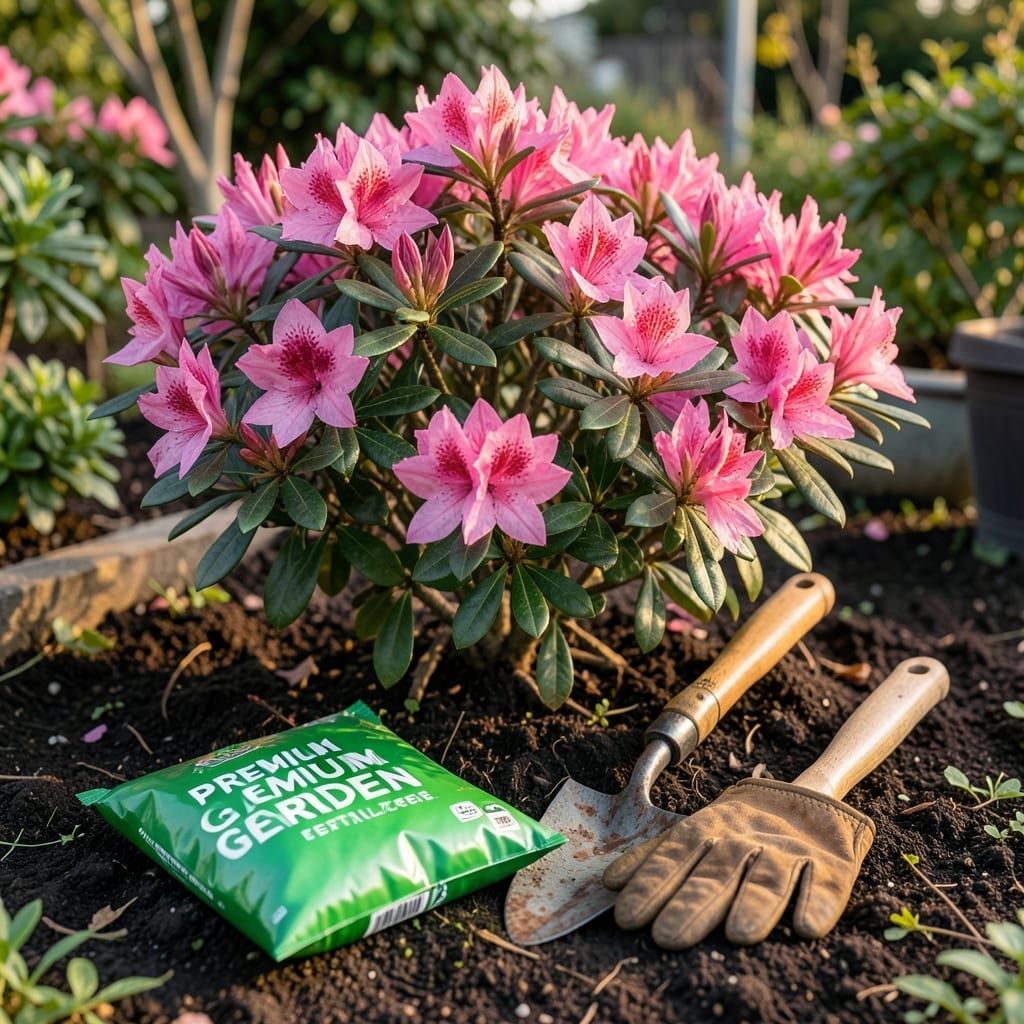
Timing your azalea fertilization correctly in Zone 8 can mean the difference between lackluster blooms and a vibrant, healthy 🌸 shrub that becomes the centerpiece of your garden.
Get the schedule wrong, and you risk stunting growth or even damaging your plants. Azaleas have specific needs that change with the seasons.
I’ll share the exact windows when your azaleas crave those nutrients the most, based on years of gardening experience in this climate. It’s easier than you might think.
Discover how to read your plant’s signals and create a feeding schedule that keeps your azaleas thriving all year long.
In Zone 8, your azaleas thrive with a seasonal fertilization plan that aligns with their natural growth cycles. The key is timing feedings to support bloom production and root development without overstressing the plant.
I’ve found that early spring and fall are the best windows for fertilizing azaleas in this climate, as they avoid the extreme heat of summer and the dormancy of winter. 🌸
| Season | Action | Months | Purpose |
|---|---|---|---|
| Spring | FEED | March-April | Encourage new growth |
| Summer | Light Feed | May-June | Maintain vitality |
| Fall | FEED | September-October | Prepare for next bloom |
| Winter | Skip | November-February | Dormant period |
In early spring, I recommend fertilizing after the last frost, which in Zone 8 is typically around April 15. This timing helps new growth and flower buds develop strongly before the blooming season.
A light feeding in late spring or early summer can help maintain vibrant foliage and healthy stems, but be cautious—too much fertilizer during hot months can burn roots. ☀️
For fall fertilization, aim for September to October. This post-bloom feeding helps your azaleas store nutrients for the next growing season, ensuring robust spring blooms.
I always avoid fertilizing in winter when azaleas are dormant. Feeding during this time can stimulate new growth that’s vulnerable to cold damage, which is risky in Zone 8’s occasional late frosts.
Another tip: Water deeply before and after applying fertilizer to prevent root burn and help nutrients absorb effectively. This is especially important in Zone 8’s warmer climate, where soil can dry out quickly. 💧
If your azaleas show yellowing leaves or stunted growth, they might need an extra feeding. However, always check for pests or disease first—sometimes the issue isn’t nutrient deficiency.
Finally, remember that acid-loving plants like azaleas need specialized fertilizers. A balanced, slow-release product designed for acid-loving shrubs will give you the best results in Zone 8. 🌿
In Zone 8, your azaleas thrive with the right nutrients at the right time. I always recommend using an acid-loving plant fertilizer since azaleas prefer pH 4.5-6.0 soil for optimal growth.
A slow-release granular fertilizer works wonders, as it feeds your plants gradually. Look for a 10-10-10 or 12-4-8 NPK ratio to support vibrant blooms and healthy foliage.
Balanced NPK for vibrant blooms
Harmful to azalea roots
Feeds for 2-3 months
Can burn sensitive roots
Apply 1 tbsp per foot of plant height, spreading it evenly around the drip line. Avoid letting fertilizer touch the stem to prevent burning.
Water deeply after applying to help nutrients soak into the soil. I find early morning or evening applications work best to avoid heat stress.
For organic options, cottonseed meal or composted pine bark are excellent. They improve soil structure while providing gentle, long-lasting nutrition.
Never fertilize during drought or extreme heat, as this can stress your azaleas. Stick to the growing season for best results.
🌿