
Beautiful Plants For Your Interior
Beautiful Plants For Your Interior
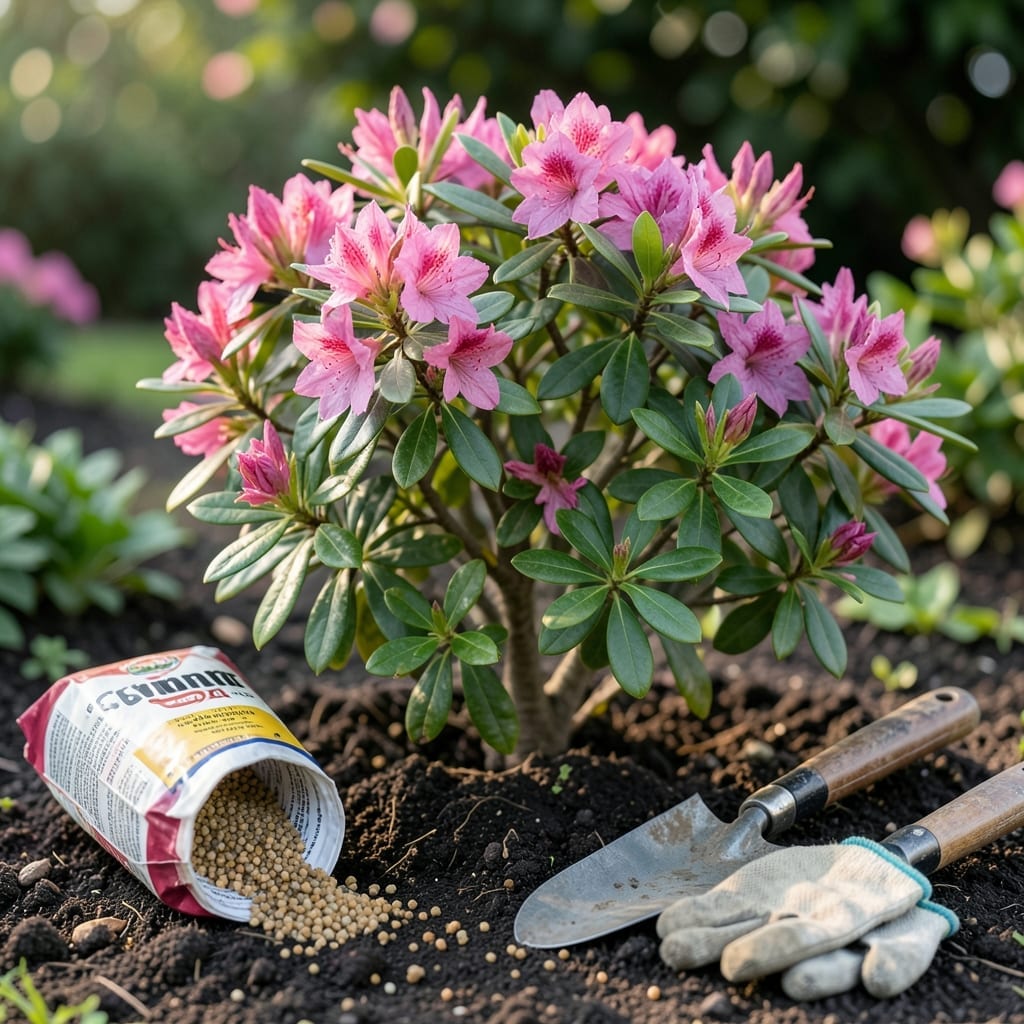
Timing your azalea fertilization perfectly can mean the difference between lackluster blooms and a vibrant, thriving 🌸 shrub. In Northern California’s unique climate, getting the schedule right is the key to unlocking your azaleas’ full potential.
Our region’s mild winters and dry summers create a specific rhythm for plant care. Azaleas have particular needs that don’t always align with generic gardening advice. Discover how to work with our local conditions rather than against them.
I’ve seen firsthand how proper timing transforms azaleas from surviving to thriving. The right approach can make your garden the envy of the neighborhood. Let’s explore the seasonal windows that work best for our area.
You’ll learn when to feed your azaleas for maximum impact and how to avoid common pitfalls. With these insights, you’ll be well on your way to a more beautiful, flourishing garden.
Northern California’s mild winters and dry summers create a unique rhythm for azalea care. I’ve found that timing fertilization with the natural growth cycles of these shrubs makes all the difference in bloom quality and plant health.
The best windows are early spring and late fall, avoiding the hottest summer months when azaleas are stressed. This approach aligns with their post-bloom recovery and pre-winter preparation needs.
| Season | Action | Timing | Notes |
| Early Spring | Feed | March | Post-bloom to support new growth |
| Late Spring | Light Feed | May | Avoid over-stimulation in heat |
| Fall | Feed | September-October | Prep for next year’s blooms |
| Winter | Skip | December-February | Azaleas are dormant |
In coastal areas like San Francisco, the cool summers allow for a slightly extended fertilization window. I recommend a light feeding in June if your azaleas show signs of nutrient deficiency, such as pale leaves or stunted growth.
For inland regions like Sacramento, the intense summer heat means you should stop fertilizing by late May. The stress of high temperatures can burn roots if you apply fertilizer during this time.
I always check the soil moisture before fertilizing. Azaleas thrive in acidic, well-draining soil, so if your soil is dry or compacted, water deeply a day before applying fertilizer to prevent root damage.
Another key tip: Avoid fertilizing during blooming season. The energy should go toward flower production, not new growth. Wait until the last flowers fade in spring before you feed your azaleas.
In Northern California, September to November is ideal for the second major feeding of the year. This helps the plant store nutrients for the next blooming cycle and strengthens it against winter cold.
If you’re in a microclimate with earlier frosts, adjust your schedule accordingly. I’ve seen azaleas in higher elevations benefit from an earlier fall feeding, sometimes as early as late August.
Remember, less is more with azaleas. Over-fertilizing can lead to leaf scorch or excessive foliage at the expense of flowers. Stick to slow-release fertilizers and follow the package instructions carefully. ☀️
Azaleas are acid-loving plants, so selecting the right fertilizer is crucial in our region’s alkaline soils. I always recommend products specifically formulated for acid-loving shrubs like azaleas, camellias, and rhododendrons.
Look for fertilizers with an NPK ratio around 10-10-10 or 12-6-6. These provide balanced nutrition without overstimulating foliage growth at the expense of vibrant blooms. The lower phosphorus helps prevent leaf burn in our dry climate.
I’ve had great success with sulfur-coated urea fertilizers in my own garden. They slowly release nitrogen, which is perfect for our long growing season. Just be sure to water thoroughly after application to activate the nutrients.
For organic gardeners, composted oak leaves or pine needles make excellent natural amendments. They gradually acidify the soil while adding organic matter. I spread a 2-inch layer around my azaleas each fall.
Always test your soil pH before fertilizing. Azaleas prefer a pH between 4.5 and 6.0. In Northern California, many soils test higher, so you might need to amend with sulfur before applying fertilizer.
Remember that more isn’t better with fertilizers. Over-application can lead to salt buildup in the soil, which damages roots. I follow the package directions carefully and err on the side of caution. 🌿