
Beautiful Plants For Your Interior
Beautiful Plants For Your Interior
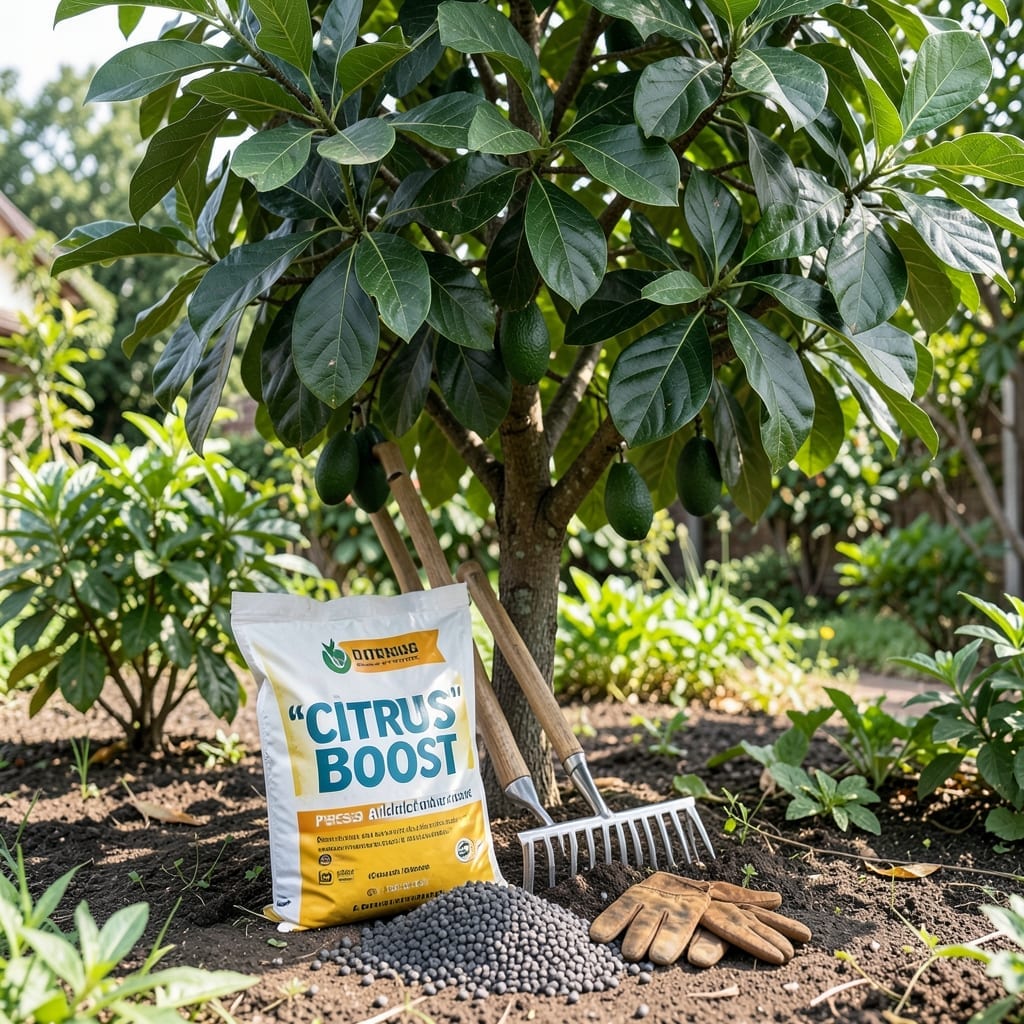
Timing your 🥑 Avocado Tree fertilization correctly in Southern California can mean the difference between a lackluster harvest and a bumper crop. The region’s unique climate demands precision.
With 300 frost-free days and intense summer heat, your trees need a strategic feeding schedule. I’ve seen firsthand how proper timing transforms growth and fruit quality.
From the first flush of spring growth to the final fall feeding, every application counts. The right approach ensures your Avocado Tree gets exactly what it needs, when it needs it.
Discover the monthly breakdown that will keep your trees thriving year-round. Let’s get started with the schedule that works best for our 10a zone.
Southern California’s unique climate demands a precise approach to fertilizing avocado trees. The key is aligning your feeding schedule with the tree’s growth cycles and our region’s seasonal patterns.
I’ve found that spring and fall are the most critical times, but the exact months can vary based on your tree’s age and health. Young trees need more frequent, lighter feedings, while mature trees benefit from deeper, less frequent applications.
| Season | Action | Key Notes |
|---|---|---|
| Spring (March-May) | FEED | Begin as new growth appears |
| Summer (June-August) | Light Feed | Avoid stress during heat |
| Fall (September-November) | FEED | Final feeding before winter |
| Winter (December-February) | Skip | Dormancy period |
In March through May, your avocado trees are entering their most active growth phase. This is when I recommend using a balanced fertilizer with an NPK ratio like 6-6-6 or 8-3-9. The nitrogen boosts foliage, while phosphorus and potassium support root and fruit development.
The summer months can be tricky. While it’s tempting to keep feeding heavily, I’ve learned that light applications every 6-8 weeks are better. Too much fertilizer during extreme heat can burn roots and stress the tree.
As we move into fall, particularly September and October, I give my trees one last substantial feeding. This helps them store nutrients for the cooler months ahead and supports root growth before winter dormancy.
During winter, I completely skip fertilizing. The trees are dormant, and adding nutrients now would be wasted. Instead, I focus on mulching to protect the roots and conserve moisture.
For young avocado trees (under 3 years), I use about 1-2 lbs of fertilizer per application, spread evenly around the drip line. For mature trees, I increase this to 3-5 lbs, always watering deeply afterward to help the nutrients soak in.
The best time of day to fertilize is early morning. This gives the tree time to absorb the nutrients before the heat of the day sets in. I also make sure the soil is slightly moist before applying—never fertilize dry, cracked soil.
Remember, Southern California’s soil often lacks micronutrients like zinc and iron, which avocado trees need. I regularly test my soil and supplement with chelated micronutrients if deficiencies appear. Yellowing leaves can be a sign of nitrogen deficiency, while stunted growth might indicate a lack of phosphorus.
Consistency is key. I mark my calendar for fertilizer applications and stick to the schedule. With this approach, my avocado trees stay healthy, productive, and ready to deliver that bumper crop we all dream of 🌳
Even with a perfect schedule, your avocado tree might still show signs it needs extra nutrients. In Southern California, I watch for yellowing leaves or stunted growth as red flags. These often indicate nitrogen or iron deficiencies, common in our alkaline soils.
Another telltale sign is smaller-than-normal fruit or poor fruit set. When my trees produce lackluster harvests despite good watering, I know it’s time to reassess my fertilization approach. Leaf drop outside of normal seasonal patterns can also signal nutrient stress.
Over-fertilizing can burn roots and harm your tree. Stick to the recommended amounts and always water deeply after applying to distribute nutrients evenly.
One of the biggest mistakes I see is fertilizing during dormancy. Applying nutrients in winter months wastes resources since the tree isn’t actively growing. Save your efforts for spring and fall when the tree can actually use the nutrients.
Using the wrong fertilizer type is another common pitfall. Avocado trees thrive on balanced or citrus-specific fertilizers. I avoid high-nitrogen formulas that can promote excessive leafy growth at the expense of fruit production.
Timing matters just as much as the product. I never fertilize during extreme heatwaves or when the soil is bone dry. Always water your tree a day before and after applying fertilizer to prevent root burn and ensure proper absorption.
Finally, don’t ignore soil testing. I test my soil every 2-3 years to check pH and nutrient levels. Avocados prefer slightly acidic soil (pH 6-6.5), and our native soils often need amendments to reach this range. A simple test can save you from unnecessary fertilizer applications.
By staying vigilant and avoiding these common mistakes, your avocado trees will reward you with lush growth and abundant fruit 🌿