
Beautiful Plants For Your Interior
Beautiful Plants For Your Interior
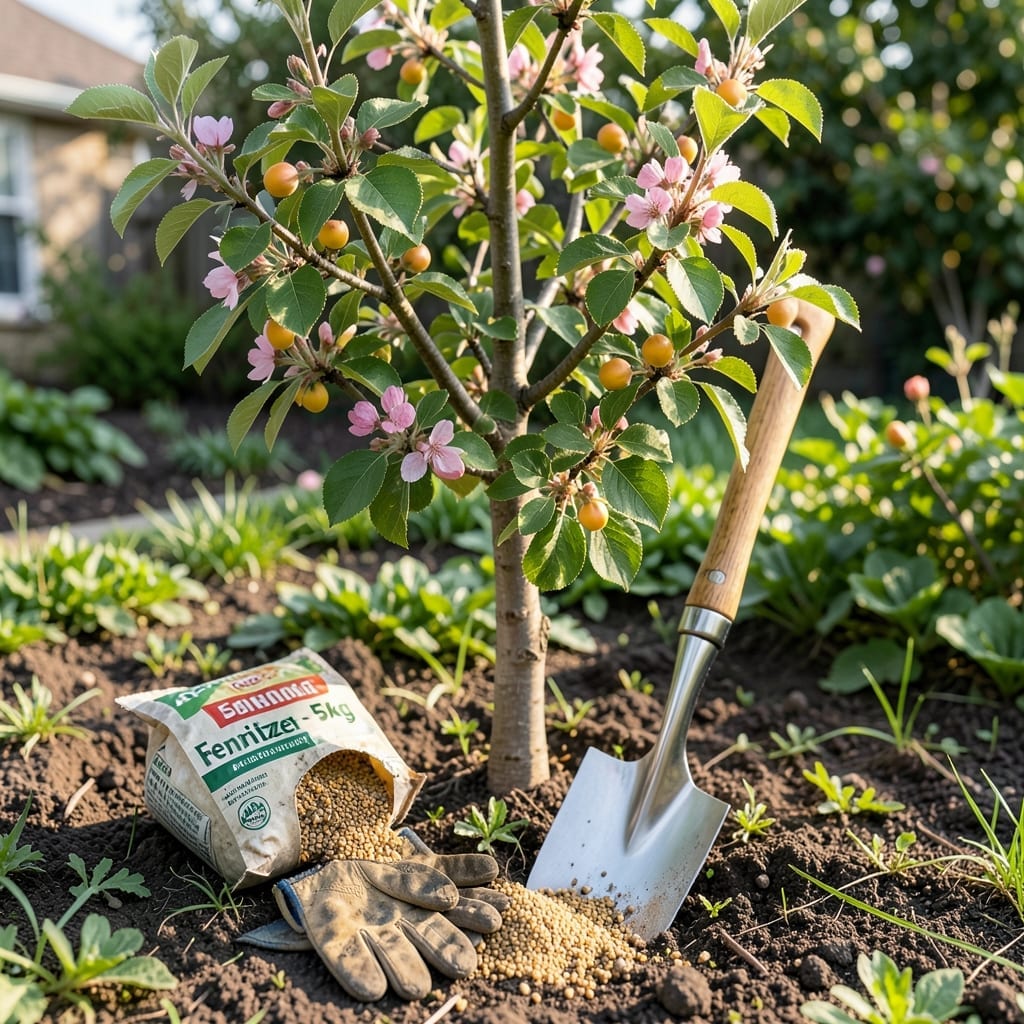
Timing is everything when it comes to fertilizing the 🍑 Apricot Tree—do it right, and you’ll boost fruit production and tree health for years to come.
Get it wrong, and you risk weak growth, poor yields, or even damage. I’ve seen firsthand how proper timing transforms a struggling tree into a thriving one.
Whether you’re a seasoned gardener or just starting out, knowing when to act can make all the difference. The right schedule ensures your tree gets the nutrients it needs exactly when it needs them.
Let me walk you through the most effective seasonal approach to keep your Apricot Tree flourishing from root to fruit.
Getting the timing right for fertilizing apricot trees is crucial for healthy growth and abundant fruit. I always recommend focusing on late winter and early spring as the prime windows for application.
The tree’s nutrient needs shift dramatically during dormancy, bud break, and fruit set. These stages demand specific attention to ensure strong development and a bountiful harvest.
| Season | Action | Purpose | Notes |
|---|---|---|---|
| Late Winter | Feed | Prep for growth | Apply balanced fertilizer before buds swell |
| Early Spring | Feed | Boost blooming | Use 10-10-10 NPK at bud break |
| Summer | Light Feed | Sustain growth | Apply every 4-6 weeks during active growth |
| Fall/Winter | None | Avoid new growth | Prevents frost damage to tender shoots |
In late winter, I apply a balanced fertilizer to give the tree a strong start. This helps the roots absorb nutrients before the growing season begins in earnest.
At bud break in early spring, I switch to a 10-10-10 NPK formula. This ensures the tree has the nitrogen, phosphorus, and potassium it needs for vibrant blooms.
During summer, a light feeding every 4-6 weeks keeps the tree healthy. I avoid over-fertilizing, as it can lead to excessive leafy growth at the expense of fruit.
In fall and winter, I stop fertilizing entirely. New growth during these seasons is vulnerable to frost damage, and the tree needs time to prepare for dormancy.
For best results, apply fertilizer in the early morning. This allows the nutrients to soak into the soil before the heat of the day evaporates moisture.
Always water deeply after fertilizing to help distribute the nutrients evenly. I’ve found this simple step makes a noticeable difference in how quickly the tree responds.
Remember, 1 lb per inch of trunk diameter is a good rule of thumb for quantity. Adjust based on your tree’s size and health, and you’ll see the rewards in its vigor and fruit production 🌳
Your apricot tree will often show clear signs when it’s hungry for nutrients. Yellowing leaves between the veins often signal an iron deficiency, while stunted growth may indicate a lack of nitrogen.
Another red flag is poor fruit production or small, underdeveloped apricots. This could mean your tree isn’t getting enough phosphorus or potassium during critical growth stages.
| Symptom | Likely Deficiency | Solution |
|---|---|---|
| Yellow leaves with green veins | Iron | Iron chelate supplement |
| Slow growth, pale leaves | Nitrogen | High-nitrogen fertilizer |
| Poor flowering or fruiting | Phosphorus | Bone meal or 10-20-10 mix |
I always recommend starting with a soil test to pinpoint exactly what your tree is missing. This takes the guesswork out of fertilization and prevents overfeeding.
For immediate action, a balanced 10-10-10 fertilizer works well for general apricot tree health. Apply it in early spring just as the buds begin to swell.
Remember that over-fertilizing can be just as harmful as under-fertilizing. Stick to the recommended amounts and always water deeply after application to help nutrients reach the roots.
With the right nutrients at the right time, you’ll see stronger growth and more abundant fruit in no time. 🌳