
Beautiful Plants For Your Interior
Beautiful Plants For Your Interior
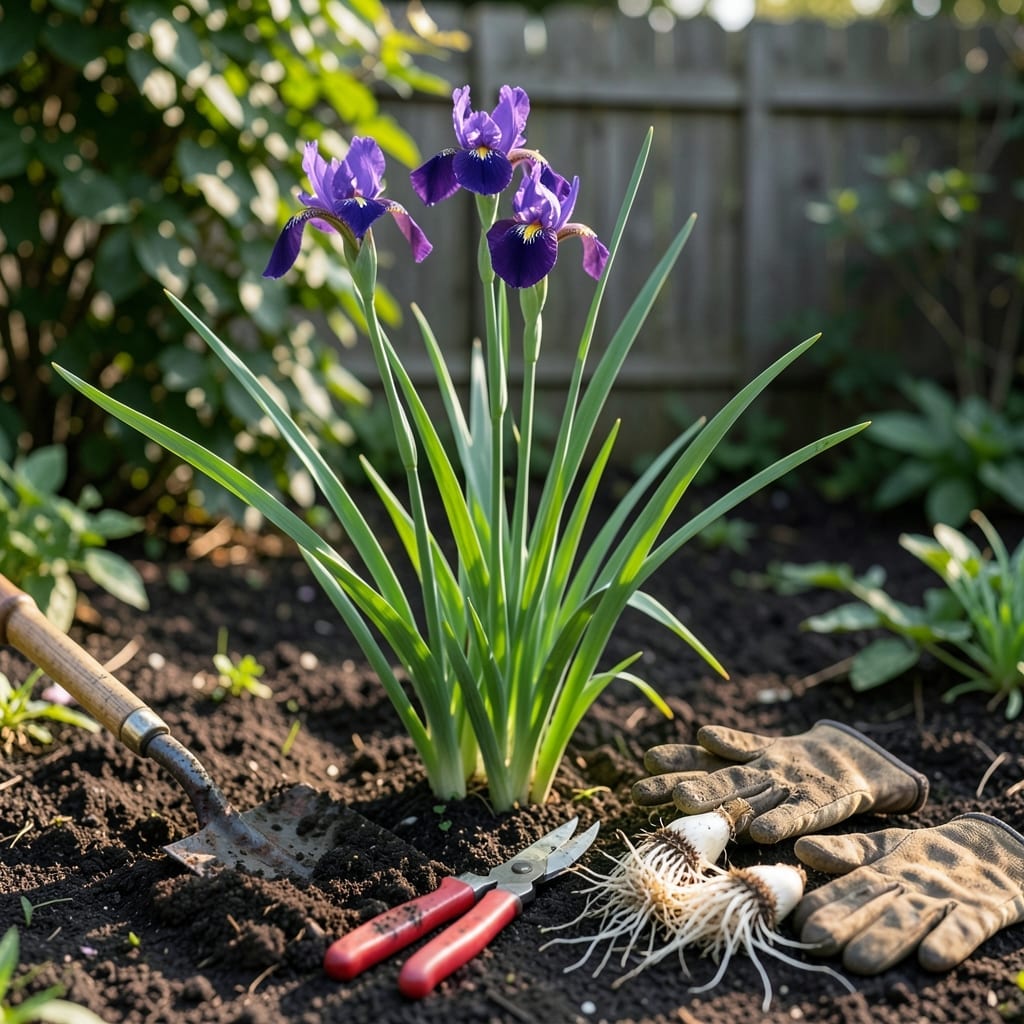
Your Siberian iris 🌸 might be telling you it’s time for a refresh. When these beauties get too crowded, their blooms suffer—and that’s the last thing any gardener wants.
I’ve learned that timing is everything when it comes to dividing these hardy perennials. Do it right, and you’ll be rewarded with healthier plants and even more stunning flowers next season.
Discover the ideal window to split your clumps and give them the space they need to thrive. It’s simpler than you think, and your garden will thank you.
Timing your Siberian iris division can make or break your plant’s future performance. I’ve found that early fall is the absolute best window, typically from late August through September. This gives the roots time to establish before winter dormancy.
If you miss the fall window, early spring is your second-best option, right as new growth begins. However, avoid dividing during active blooming or peak summer heat, as this stresses the plant.
| Season | Timing | Notes |
|---|---|---|
| Early Fall | August-September | Best window for recovery |
| Early Spring | March-April | Second best, before new growth |
| Summer | June-July | Avoid – heat stress risk |
Your Siberian iris will often tell you when it’s time. Look for crowded clumps with reduced blooming as the most obvious signs. When the center of the clump starts looking woody or bare, that’s nature’s way of saying it needs space.
Climate plays a role too. In cooler zones (USDA 3-5), stick to early fall division. For warmer zones (6-9), you can push into early October if needed. The key is giving roots 6-8 weeks to establish before frost.
I always check the soil temperature too. Aim for 60-70°F soil temps during division. This range encourages root growth without shocking the plant. A simple soil thermometer can be your best friend here.
Another sign it’s time? When your iris clumps start producing fewer flowers or the blooms look smaller than usual. This typically happens every 3-4 years, which is the ideal division interval for Siberian iris.
Remember that morning division works best. The cooler temps and lower sun intensity reduce transplant shock. I always try to complete the process before 10 AM on overcast days when possible.
After dividing, keep the soil consistently moist for the first 2-3 weeks. This helps the new divisions establish their root systems. But be careful not to overwater, as soggy soil can lead to rot.
If you’re in a region with hot summers, late summer division might work if you provide extra shade and frequent watering afterward. However, fall remains the safest bet for most gardeners. ✂️
Finally, don’t forget that younger plants (under 3 years) typically don’t need dividing. Focus on your mature clumps that have been in place for several years. This simple timing strategy will keep your Siberian iris thriving for decades. 🌱
Dividing Siberian iris is simpler than you might think, but proper technique ensures your plants thrive afterward. I always start by gathering the right tools: a sharp spade, garden fork, and pruning shears for clean cuts.
Begin by carefully lifting the entire clump from the soil. Use your spade to dig in a wide circle around the plant, about 6-8 inches out from the base to avoid damaging the roots.
Once the clump is out, shake off excess soil to expose the rhizomes. You’ll see natural divisions between the fans of leaves. Gently pull or cut these apart, ensuring each division has healthy roots and 2-3 fans.
I recommend trimming the leaves to 6 inches to reduce water loss and stress. This also makes handling the divisions easier. Discard any woody or diseased sections from the center of the clump.
When replanting, set each division at the same depth it was growing before. Space them 12-18 inches apart to allow for future growth. This spacing prevents the need for frequent dividing in the future.
After replanting, water thoroughly to settle the soil around the roots. Keep the soil consistently moist for the first few weeks. Avoid fertilizing immediately—wait until next spring to apply a balanced fertilizer.
With this method, your divided Siberian iris will establish quickly and reward you with vibrant blooms the following season. ✂️