
Beautiful Plants For Your Interior
Beautiful Plants For Your Interior
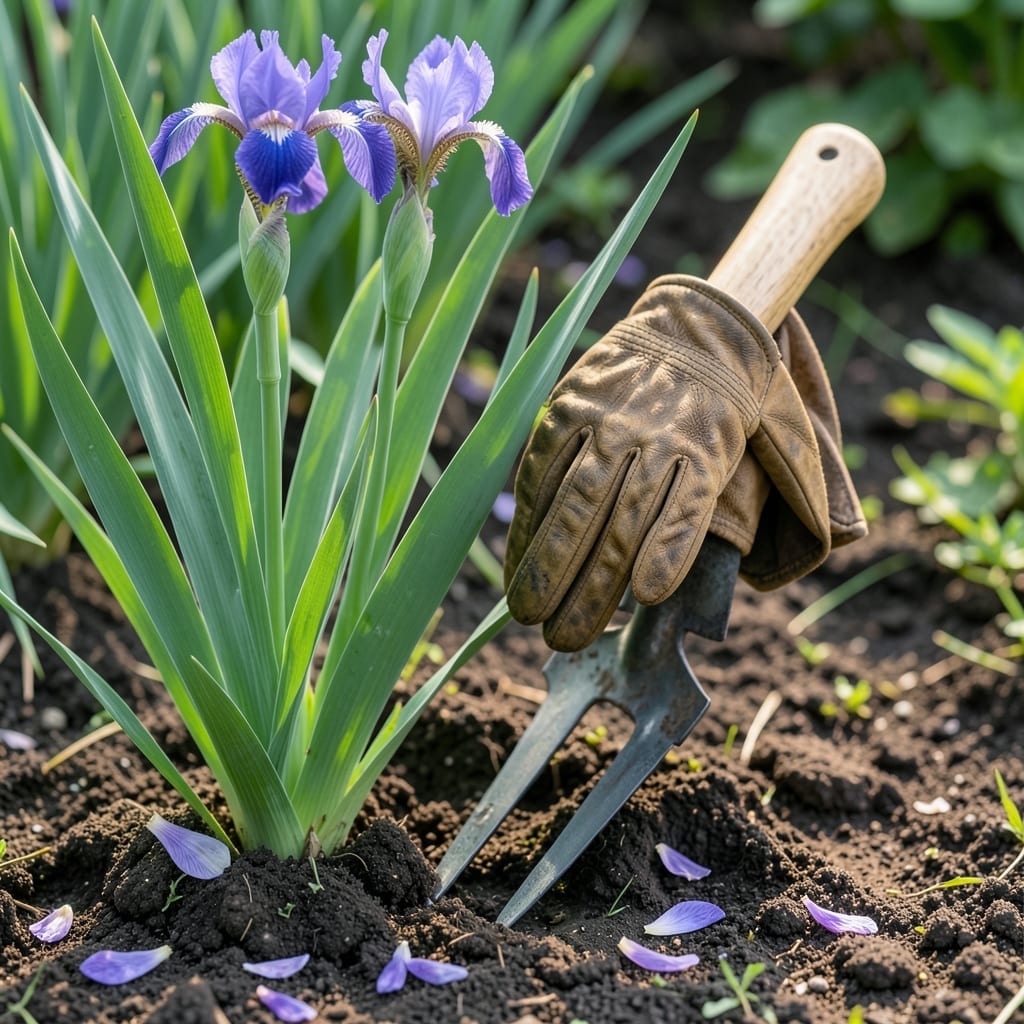
Timing is everything when it comes to digging up Iris 🌸—do it right, and you’ll be rewarded with healthier rhizomes and more vibrant blooms next season.
If you’ve noticed your Iris clumps looking crowded or producing fewer flowers, it might be time to intervene. The key is knowing when to act for the best results.
I’ve learned through trial and error that waiting for the right moment makes all the difference. The signs are subtle but unmistakable once you know what to look for.
Discover the most important timing cues and how to give your Iris plants the fresh start they need for next year’s spectacular display.
If you want thriving iris plants next season, timing your digging is absolutely crucial. I always wait until 6-8 weeks after blooming when the foliage begins to yellow. This gives the rhizomes time to store energy for next year’s growth.
In most climates, that means July through September is your ideal window. Warmer regions might start earlier, while cooler zones may need to wait until late summer. The key is watching for visual cues from your plants.
| Stage | Timing | Signs to Watch |
|---|---|---|
| Post-Bloom | 6-8 weeks after flowers fade | Foliage yellowing |
| Climate Adjust | July-Sept (most zones) | Center die-out |
| Urgent Need | When flowering decreases | Crowded rhizomes |
Never dig too early when foliage is still lush green. The plant needs those leaves to photosynthesize and build up energy reserves in the rhizomes. Digging prematurely can weaken your irises significantly.
On the flip side, don’t wait until first frost either. The rhizomes need 4-6 weeks to establish before winter dormancy. In colder climates, aim to finish by early October to be safe.
One clear sign it’s time is when you notice the center of the clump dying out. This typically happens after 3-4 years of growth. The outer rhizomes will still be active, but the center becomes wooden and unproductive.
Another indicator is reduced flowering. If your once-vibrant iris bed is producing fewer blooms each year, it’s likely overcrowded and needs dividing. This usually coincides with that 6-8 week post-bloom window.
For reblooming irises, the timing stays the same. Wait until after their final bloom cycle of the season. These varieties might bloom in spring and fall, so be patient and let them complete their cycle.
Remember, morning is best for digging. The plants are less stressed when it’s cooler, and you’ll have the whole day to replant before heat sets in. Always use a sharp spade to minimize root damage.
After digging, give your divided rhizomes a few hours in the sun to dry slightly. This helps prevent rot when you replant them. Just don’t leave them out too long or they’ll become desiccated.
With proper timing, your irises will reward you with more vibrant blooms and healthier growth next season. ☀️
Dividing iris rhizomes is best done 6-8 weeks after blooming when the foliage starts to yellow. This timing gives the plants enough energy to recover and establish new roots before winter arrives.
I always prepare by gathering a sharp spade, pruning shears, and gardening gloves before starting. The right tools make the process smoother and reduce stress on both me and the plants.
Steps to Divide Iris Rhizomes:
After digging, I inspect each iris rhizome for signs of rot or disease. Healthy rhizomes are firm with no soft spots or holes, which ensures strong growth in the next season.
When replanting, I space the new divisions about 12-24 inches apart to prevent future crowding. This gives each plant room to grow and access to sunlight and nutrients.
I
Finally, I water the newly planted divisions deeply to settle the soil and encourage root growth. With proper care, they’ll reward me with vibrant blooms next year 🌸