
Beautiful Plants For Your Interior
Beautiful Plants For Your Interior
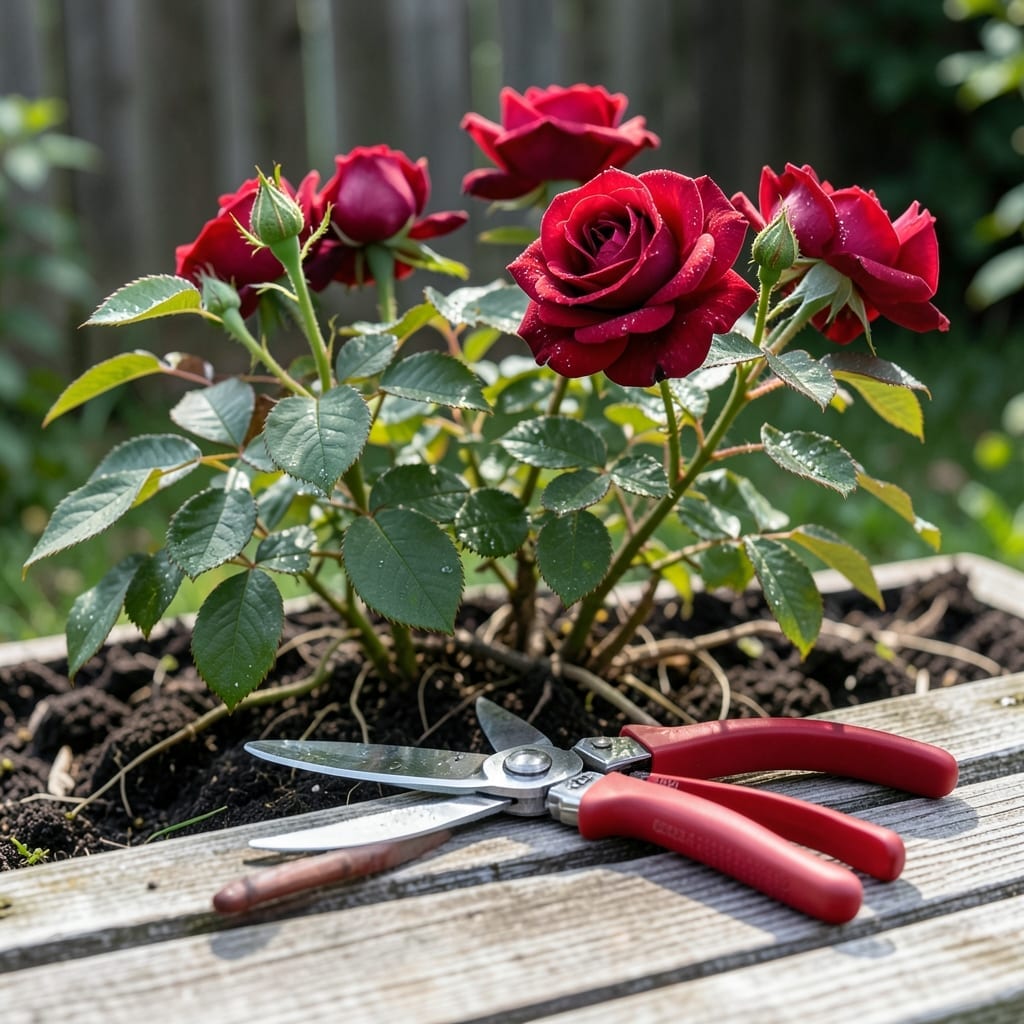
Knowing when to cut your 🌹 Rose can transform it from struggling to spectacular. The timing makes all the difference for vibrant blooms and healthy growth.
Pruning at the right moment ensures your plant directs energy where it matters most. Whether you’re shaping the bush or encouraging new flowers, the season plays a key role in success.
Discover how to time your cuts for maximum impact, and watch your garden thrive like never before.
Timing your rose pruning correctly can make or break your garden’s success. I’ve found that late winter is ideal for major pruning, just as new growth begins to emerge before spring.
This timing allows the plant to focus its energy on producing strong, healthy new canes and abundant blooms. For most gardeners, this means picking up the pruning shears in February or March, depending on your climate zone.
| Season | Action | Rose Types |
|---|---|---|
| Late Winter | Major pruning | Hybrid teas, Floribundas |
| Early Spring | Light shaping | All types |
| Summer | Deadheading | Repeat bloomers |
| Fall | Light trimming | Climbers, Shrubs |
Summer pruning focuses on deadheading spent blooms to encourage continuous flowering. I recommend doing this throughout the growing season for repeat-blooming varieties like hybrid teas and floribundas.
For climbing roses, the approach differs slightly. These should be pruned after their first bloom, typically in late spring or early summer, to maintain their shape and encourage future flowers.
Fall pruning should be minimal. A light trim to remove dead or diseased wood helps, but avoid heavy pruning as it can stimulate new growth that won’t survive winter frosts. I’ve seen many gardeners make this mistake with shrub roses.
In cold climates (USDA zones 3-5), wait until after the last frost to do major pruning. The plant is still dormant, reducing the risk of frost damage to new cuts. In warmer zones (7-10), you can start earlier.
Old garden roses and once-bloomers need special attention. These typically bloom on old wood, so prune them immediately after flowering to avoid cutting off next year’s blooms.
Remember that pruning timing affects more than just blooms. Proper timing helps prevent disease spread and promotes air circulation, which keeps your roses healthier overall. I always sanitize my tools between cuts for this reason.
For the best results, observe your specific rose variety and local climate. When in doubt, late winter pruning just before new growth starts is generally safe for most roses in most regions.
This approach has consistently given me the healthiest plants and most abundant blooms in my garden ✂️
Pruning roses properly ensures healthy growth and abundant blooms. I always start with the right tools: sharp bypass pruners, long-handled loppers, and thick gloves for protection.
First, remove all dead or diseased wood, cutting back to healthy tissue. This prevents the spread of fungal infections and keeps the plant strong. I make clean cuts at a 45-degree angle just above an outward-facing bud.
For hybrid teas and floribundas, I aim to create an open center by removing 1-2 oldest canes at the base. This encourages new growth from the center of the plant.
Climbing roses need different treatment. I prune their lateral branches back by 1/3 to 1/2, but leave the main canes intact unless they’re damaged. This maintains their vertical structure while promoting flowering.
After pruning, I always apply a balanced fertilizer to support recovery. Water deeply to help the plant recover from shock and encourage new growth. This step is crucial for repeat bloomers.
Sanitize your tools between plants with rubbing alcohol to prevent disease transmission. I’ve found this simple step makes a big difference in keeping my roses healthy year after year ✂️