
Beautiful Plants For Your Interior
Beautiful Plants For Your Interior
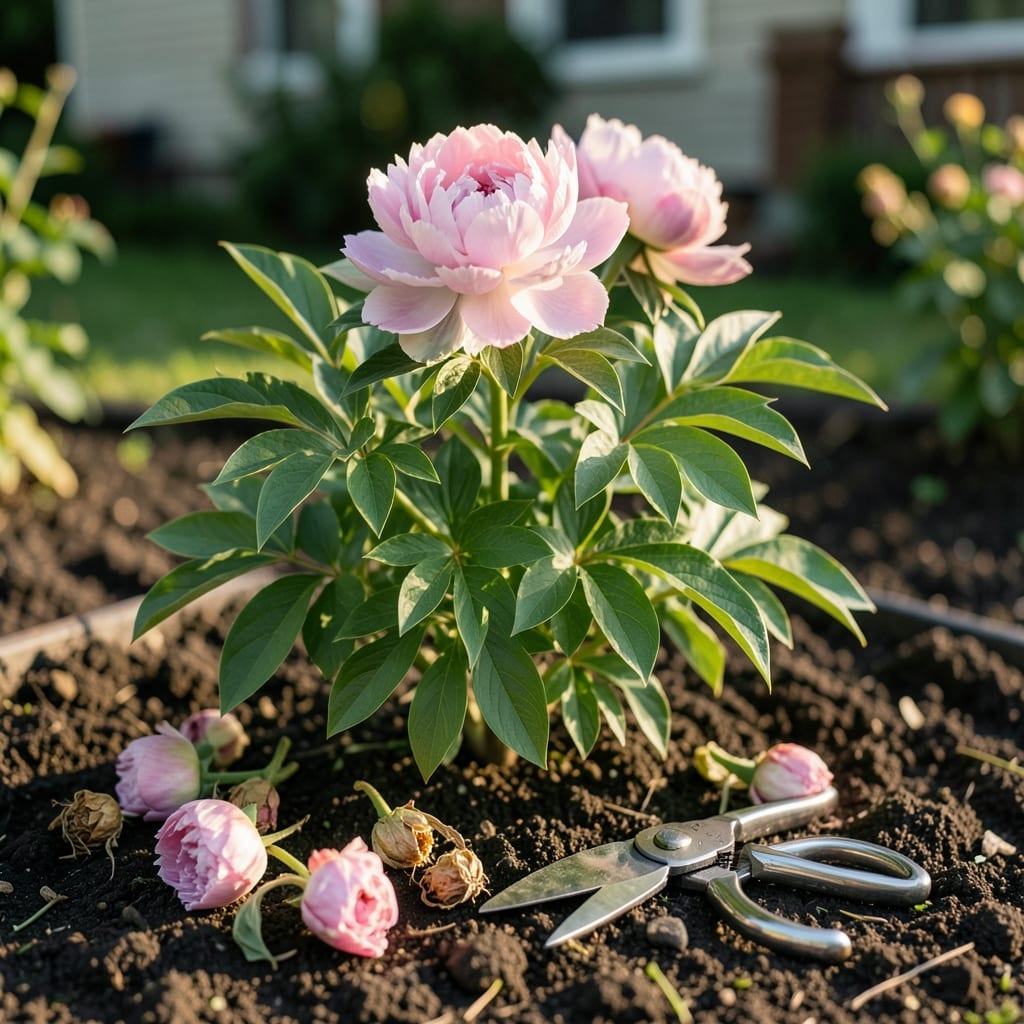
Timing is everything when it comes to cutting Peony 🌸 blooms. Do it right, and you’ll enjoy bigger, longer-lasting flowers both in your garden and in vases.
Do it wrong, and you might stunt next year’s growth or miss the perfect window entirely. The difference between a thriving plant and a struggling one often comes down to this one decision.
Let me walk you through the best approach to ensure your Peony plants stay healthy and your bouquets stay fresh. Here’s what you need to know.
If you want long-lasting peony bouquets, timing your cuts is crucial. I always recommend cutting in the early morning when stems are hydrated and buds are fresh. This ensures maximum vase life and vibrant blooms.
The ideal stage is when the bud shows color but is still firm, often called the “marshmallow stage”. At this point, the flower will open beautifully indoors while lasting longer in arrangements.
| Stage | Action |
|---|---|
| Bud shows color | Cut early morning |
| Marshmallow-soft | Perfect for arrangements |
| Stem strong & upright | Use sharp shears |
Avoid cutting fully open peonies as they’ll wilt quickly in water. Instead, look for tight buds with a hint of color peeking through the green sepals. This is the sweet spot for cut flowers.
For the longest vase life, I always use a clean, sharp pair of pruners. Make a diagonal cut just above a leaf node to encourage new growth and prevent water from pooling on the stem.
Remove any lower leaves that will sit below the water line in your vase. This prevents bacterial growth and keeps your water clean for days. I like to recut the stems underwater for best results.
If you’re cutting for immediate use, place stems in lukewarm water with floral preservative. For later arrangements, store unopened buds in the fridge wrapped in paper towels for up to a week.
Remember that herbaceous peonies and tree peonies have slightly different needs. Herbaceous varieties benefit from being cut back after blooming, while tree peonies need more careful pruning.
For the best results, I always cut my peonies when the weather is cool and the plants are well-hydrated. This typically means early morning or late evening, avoiding the heat of midday.
Finally, never remove more than one-third of the foliage when cutting peonies. The leaves are crucial for photosynthesis and next year’s blooms, so always leave plenty behind.
Deadheading and pruning peonies serve different purposes in plant care. I deadhead spent blooms to prevent seed formation, which redirects energy to root development and next year’s flowers.
For herbaceous peonies, I remove faded blooms as soon as they start to wilt, cutting just below the flower head. This keeps the plant looking tidy and encourages stronger stems for future growth.
In fall pruning, I wait until after the first frost when foliage turns brown. Then I cut all stems to ground level to remove potential disease overwintering spots and tidy the garden.
For tree peonies, pruning is different. I only remove dead wood in early spring before new growth starts, being careful not to cut healthy stems as they bloom on old wood.
Always use clean, sharp tools when pruning to prevent tearing stems or spreading disease. I sterilize my pruners with rubbing alcohol between plants as an extra precaution.
Remember that foliage is vital for photosynthesis until it naturally dies back. Never remove healthy leaves prematurely, as this weakens the plant and reduces next year’s blooming potential. ✂️