
Beautiful Plants For Your Interior
Beautiful Plants For Your Interior
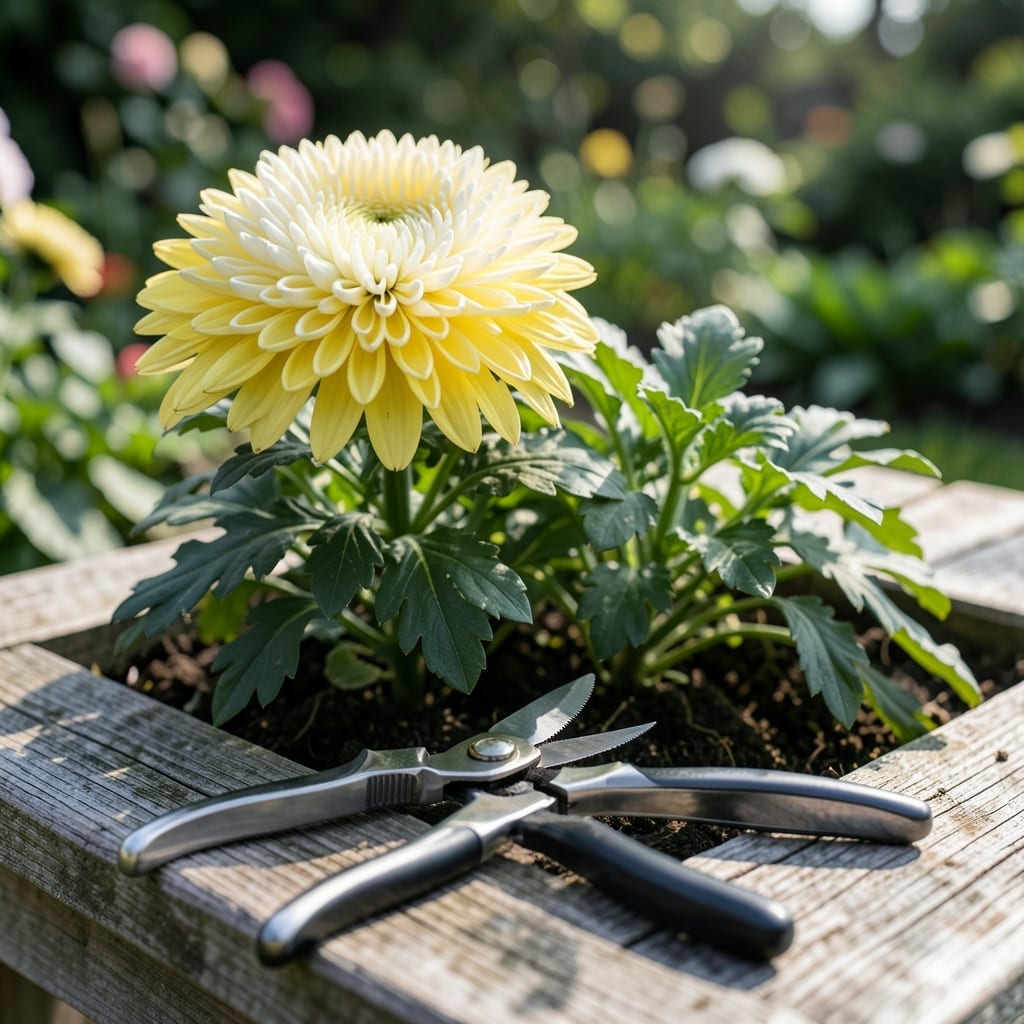
Timing your mum pruning correctly is the key to lush, vibrant blooms that steal the show in your fall garden. Cut too early or too late, and you risk stunting growth or missing the flower display entirely.
I’ve seen gardeners struggle with Chrysanthemum 🌼 care, only to realize their timing was off. The difference between a thriving plant and a lackluster one often comes down to when you make that first cut.
Whether you’re in USDA zones 5-9 or just starting out, knowing the right window transforms your results. Late winter or early spring is when the magic happens for most climates.
Discover how a simple timing adjustment can lead to bushier plants and more abundant flowers. Let’s get your garden ready for its best season yet.
Timing is everything when it comes to pruning mums for those spectacular fall blooms. I’ve found that late winter or early spring is the sweet spot for most climates, just as new growth begins to emerge at the base of the plant.
In USDA zones 5-9, this typically means late February to early April. The goal is to prune before the new stems grow taller than 6 inches, ensuring the plant directs energy toward fresh, bushy growth.
| Stage | Timing | Signs to Look For |
|---|---|---|
| Late Winter | Feb-March | New growth at base |
| Early Spring | March-April | Stems 4-6 inches tall |
| Avoid Fall/Winter | Oct-Feb | Dormant or blooming |
For gardeners in colder climates (zones 3-4), wait until after the last frost, usually mid-April. In warmer zones (10+), you can prune as early as January if new growth appears.
Watch for visual cues: brown, dead stems from last season and fresh green shoots at the base. These are your signals that it’s time to grab the pruners and get to work.
I always check the soil temperature too—when it reaches about 50°F, mums start waking up from dormancy. This is nature’s way of telling you it’s safe to prune without risking cold damage to new growth.
Regional variations matter. In the Pacific Northwest, late February often works, while in the Midwest, early March is safer. Southern gardeners may start in January, but watch for late frosts.
If you’re unsure, err on the side of later pruning. Cutting too early in cold climates can expose tender new growth to frost. I learned this the hard way after losing a few mums to an unexpected late freeze!
After pruning, your mums will focus energy on new growth rather than maintaining old stems. This leads to bushier plants with more blooms come fall. It’s like giving your mums a fresh start each year.
Remember, the best time to cut down mums is when they’re just starting to show life after winter. This timing ensures you’ll get the most vibrant, abundant blooms possible when autumn rolls around
Once you’ve identified the right time, the next step is knowing how to prune mums properly. I always start by gathering my sharp bypass pruners and a pair of gloves. Clean tools prevent disease spread.
Look for dead or damaged stems first—these should go. Then, trim back the remaining stems to 4-6 inches above the ground. This height encourages strong, bushy regrowth.
After pruning, I
If you’re in a colder climate, wait until after the last frost to prune. This protects new growth from late freezes. In milder areas, you can start a bit earlier.
A light fertilizer application after pruning gives your mums a boost. I use a balanced 10-10-10 to encourage healthy regrowth. Just don’t overdo it—too much can burn the roots.
Finally, keep an eye on new growth at the base. Once you see fresh green shoots, you’ll know your timing was perfect. This is the sign your mums are ready to thrive.
✂️