
Beautiful Plants For Your Interior
Beautiful Plants For Your Interior
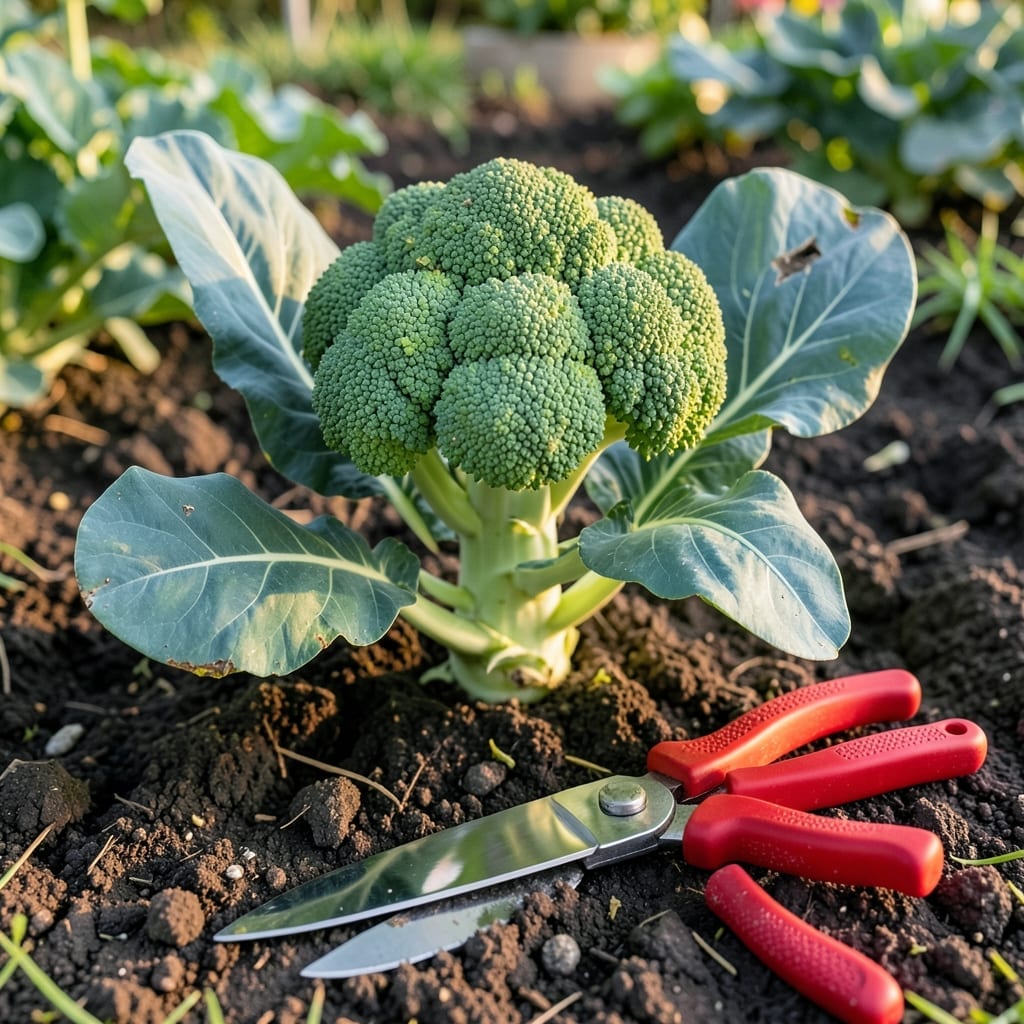
Timing your broccoli harvest can mean the difference between crisp, flavorful florets and tough, bitter ones. The 🥦 Broccoli in your garden has a small window where it’s at its absolute best.
Miss this moment, and you might end up with woody stems or yellowing buds. I’ve learned the hard way that waiting just a day too long can ruin the taste and texture you’ve worked so hard to grow.
Discover the simple signs to watch for and the exact steps to ensure your harvest is always perfect. Your taste buds will thank you.
I’ve found that broccoli gives clear signals when it’s ready to be picked. The key is watching for tight heads and deep green florets that haven’t started to separate or yellow. This is when the flavor is at its peak.
If the head feels firm and measures 4-7 inches wide, it’s likely time. The stem should also feel sturdy, not soft or spongy. These are the signs I trust for a perfect harvest.
| Sign | Description |
| Head Size | 4-7 inches in diameter |
| Color | Deep green florets with no yellowing |
| Tightness | Compact and firm head |
| Stem | Thick and sturdy, snaps easily |
I always check the bud tightness first. If the buds are starting to loosen or separate, the head is overmature. The florets should look like they’re tightly packed together, almost like a single mass.
Another trick I use is the snap test. A ready broccoli stem should snap cleanly when bent. If it bends without breaking, it’s not quite there yet. This simple test saves me from harvesting too early.
Watch for yellow petals—this means the flowers are opening, and the head is past its prime. Once I see even a few yellow buds, I know it’s time to act fast or risk losing the harvest.
The morning sun is ideal for harvesting. I make it a habit to check my plants early in the day when the heads are firmest. This ensures the best texture and prolongs freshness after picking.
If the head is smaller than 4 inches, I leave it to grow a bit longer. But if it’s larger than 7 inches, I harvest immediately to avoid woody stems. Size matters when it comes to broccoli.
I also pay attention to the leaves. Healthy, vibrant leaves surrounding the head are a good sign. If the leaves are wilting or yellowing, it might indicate stress, and I’ll investigate further before cutting.
Finally, I remind myself that broccoli grows fast in warm weather. In my garden, I’ve learned to check daily once the heads start forming. Missing the window by even a day can mean the difference between perfect and past-its-prime.
By following these signs, I consistently harvest tender, flavorful broccoli. It’s all about observing and acting at the right moment ✂️
I always start with the right tools for a clean cut. A sharp pruning shears or garden knife works best. Dull blades can crush the stem, making the plant more susceptible to disease.
Before cutting, I check that the main head is ready. The florets should be tight and dark green, and the stem should be firm. If everything looks good, I proceed with confidence.
After cutting the main head, I don’t remove the plant. Broccoli often produces side shoots that can give me a second or third harvest within a few weeks.
I
If I notice any pests or diseases while cutting, I address them immediately. A healthy plant is more likely to produce additional florets for my next harvest.
By following these steps, I ensure my broccoli plants stay productive and provide fresh heads for as long as possible ✂️