
Beautiful Plants For Your Interior
Beautiful Plants For Your Interior
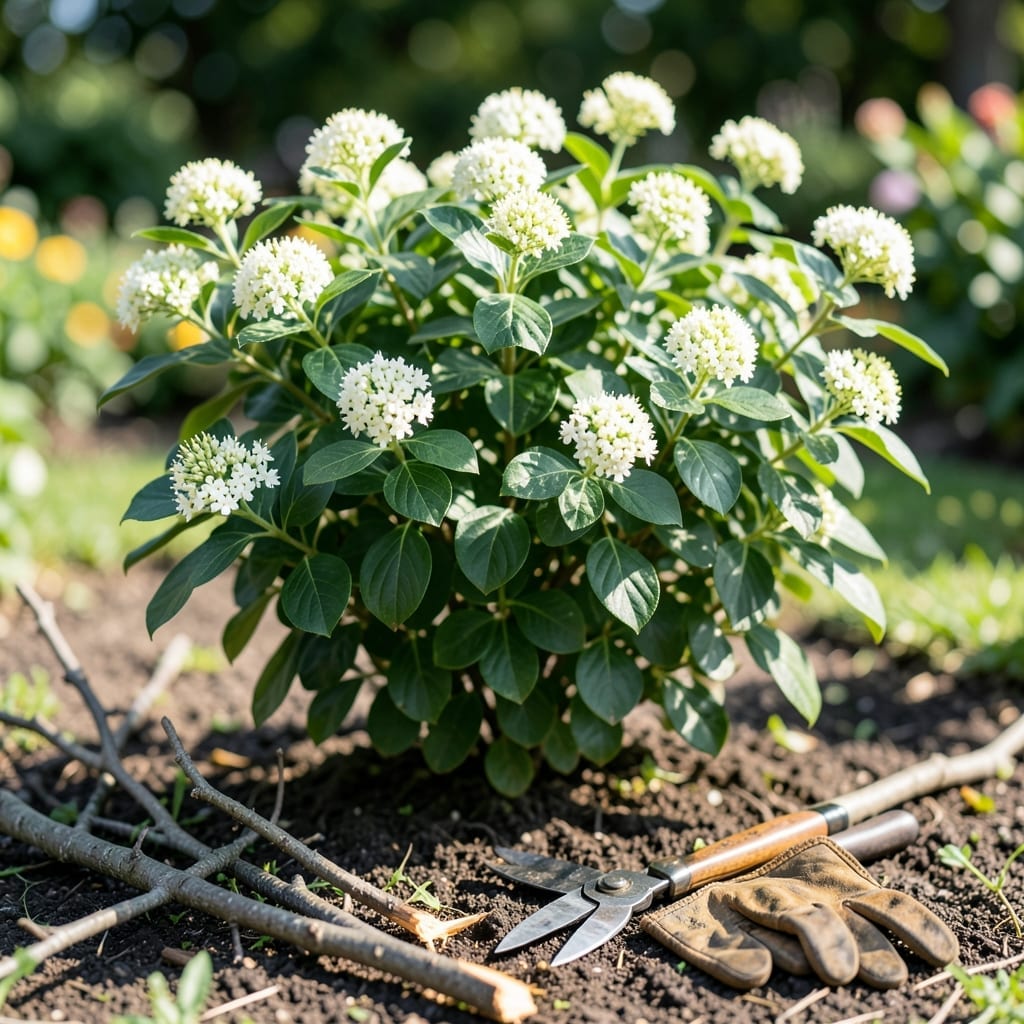
Pruning your 🌿 Viburnum at the right time makes all the difference between a thriving shrub and one that struggles. The timing is everything when it comes to keeping this hardy plant healthy and vibrant.
I’ve seen too many gardeners cut back their Viburnum at the wrong moment, only to wonder why they’re missing out on those beautiful blooms. It’s a simple fix once you know the best approach.
Let me walk you through the ideal window to prune your Viburnum so it rewards you with lush growth and abundant flowers year after year.
Timing your viburnum pruning correctly is the secret to vibrant blooms and healthy growth. I always prune mine right after the flowers fade, which for most varieties means late spring.
This timing ensures you don’t accidentally remove next year’s buds, which form shortly after the current blooming season ends. It’s a simple rule that makes a world of difference.
| Variety | Best Pruning Time | Key Reason |
|---|---|---|
| Spring-blooming | After flowering | Avoid cutting new buds |
| Summer-blooming | Late winter/early spring | Encourage strong growth |
| Evergreen | After flowering | Maintain shape and health |
For spring-blooming viburnums like Viburnum carlesii, I wait until the last flowers fade before making any cuts. This usually falls in May or June, depending on your climate.
If you have summer-blooming varieties, such as Viburnum plicatum, you can prune in late winter or early spring. This gives the shrub time to recover and bloom later in the season.
Evergreen viburnums, like Viburnum tinus, also respond best to post-flowering pruning. I’ve found this keeps them compact and flourishing year-round.
Pruning at the wrong time can reduce flowering or even stress the plant. I’ve seen shrubs that were pruned in fall struggle to recover in spring, so timing truly matters.
If your viburnum is overgrown, you can do a light trim in late summer, but avoid heavy pruning then. It’s best to stick to the schedule for the healthiest results.
For those in cold climates, aim to finish pruning by early summer. This gives the plant enough time to harden off before winter sets in.
I always use sharp, clean tools to make precise cuts. This minimizes damage to the plant and helps it heal faster after pruning. ✂️
Pruning viburnum doesn’t have to be intimidating. I start by gathering the right tools: sharp bypass pruners, loppers for thicker branches, and gloves for protection. Dull tools can tear the plant tissue.
First, I remove any dead, damaged, or diseased wood at the base. This improves airflow and prevents pests from taking hold. Always cut back to healthy wood, just above a leaf node.
Next, I shape the shrub by cutting back overgrown branches to a healthy outward-facing bud. This encourages new growth in the right direction and maintains a natural form.
Thinning out the center is crucial for air circulation. I remove about 1/3 of the oldest stems at ground level each year. This rejuvenates the plant and keeps it productive.
I always make cuts at a 45-degree angle just above a bud, about 1/4 inch above it. This helps water run off and prevents rot. Never leave stubs, as they can invite disease.
After pruning, I give my viburnum a deep watering to help it recover. Adding a 2-inch layer of mulch around the base retains moisture and keeps roots cool. This simple care boosts regrowth. ✂️