
Beautiful Plants For Your Interior
Beautiful Plants For Your Interior
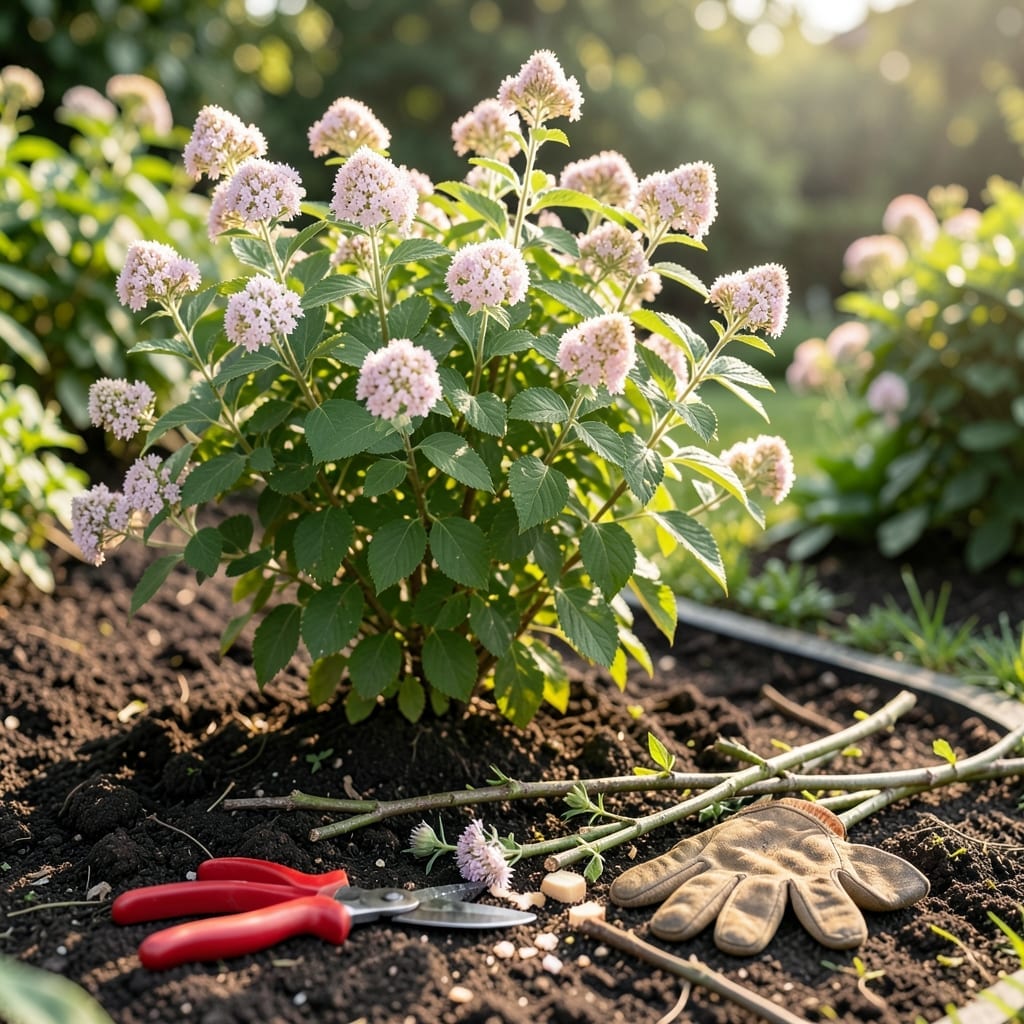
Pruning your 🌿 Spirea at the wrong time can mean missing out on those vibrant blooms you love. Timing is everything when it comes to keeping these shrubs healthy and full of color.
I’ve learned through trial and error that cutting back at the right moment makes all the difference. Whether you’re a seasoned gardener or just starting out, knowing when to prune is the key to success.
Let me walk you through the best seasonal windows to trim your Spirea for maximum growth and beauty. You’ll be amazed at how simple it can be.
Timing your Spirea pruning correctly is the secret to vibrant blooms and healthy growth. I’ve found that early spring and late summer are the ideal windows for most varieties.
Spring-blooming Spirea should be pruned right after its flowers fade, typically in late spring or early summer. This gives the plant time to set new buds for the next season.
| Variety | Pruning Time | Reason |
|---|---|---|
| Spring-Blooming Spirea | After flowering | Encourages new growth |
| Summer-Blooming Spirea | Late winter or early spring | Promotes strong blooms |
| All Varieties | Late summer | Shapes and tidies |
For summer-blooming Spirea, like the popular ‘Goldflame’ or ‘Anthony Waterer’, prune in late winter or early spring. This timing allows new growth to produce plenty of flowers.
I always recommend late summer pruning for all Spirea varieties to shape the shrub and remove any dead or weak stems. It’s a great time to rejuvenate the plant before fall.
Avoid pruning in late fall or winter, as this can leave the plant vulnerable to cold damage. The shrub needs time to recover before dormancy sets in.
If you’re unsure about your Spirea type, observe its blooming cycle. Spring bloomers set buds on old wood, while summer bloomers flower on new growth.
In my experience, light pruning after each bloom cycle can extend the flowering season. Just remove spent flowers and shape lightly to encourage more blooms.
Remember, sharp pruning tools are a must. Dull blades can tear stems, leading to disease or slow healing. I always clean my tools with rubbing alcohol between cuts.
Finally, mulch after pruning to retain moisture and protect roots. A 2-3 inch layer of organic mulch works wonders for Spirea health.
With these tips, your Spirea will reward you with lush foliage and abundant flowers year after year ✂️
Pruning Spirea bushes properly ensures they stay healthy and produce abundant blooms. I always start by gathering the right tools: sharp bypass pruners and loppers for thicker stems.
Begin by removing any dead or diseased wood at the base. This clears the way for new growth and prevents the spread of plant diseases. Next, I focus on shaping the shrub by trimming back overgrown branches.
For spring-blooming varieties, I prune right after the flowers fade. This timing allows the plant to set new buds for the following year. For summer-blooming types, I prune in late winter or early spring.
When cutting back, I aim to open up the center of the shrub. This improves air circulation and reduces the risk of fungal infections. I also
Never remove more than 1/3 of the plant at once, as this can stress the shrub. If your Spirea is overgrown, spread pruning over 2-3 years to rejuvenate it gradually.
After pruning, I water deeply and apply a 2-3 inch layer of mulch. This helps the plant recover and keeps the roots protected. With these steps, your Spirea will thrive and reward you with beautiful blooms season after season ✂️