
Beautiful Plants For Your Interior
Beautiful Plants For Your Interior
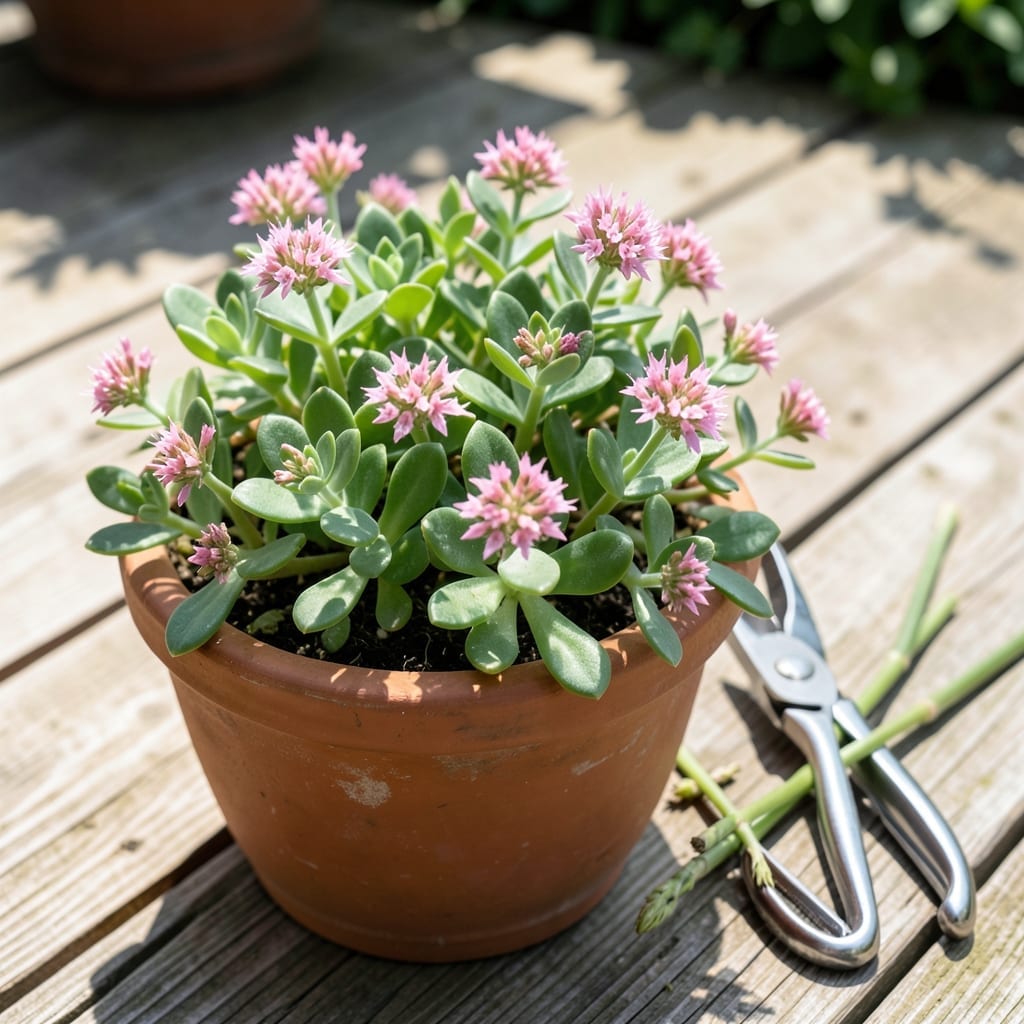
Knowing when to cut back 🌵 Sedum plants can make the difference between a thriving garden and a lackluster one. These hardy perennials reward proper timing with vibrant blooms and healthy growth year after year.
I’ve learned that getting the timing right isn’t just about aesthetics—it’s about giving your Sedum the best chance to flourish. Pruning at the wrong time can leave your plants struggling to recover.
Discover the best seasonal window to trim back your Sedum, and watch your garden transform with minimal effort and maximum impact.
Timing your sedum pruning correctly is key to healthy growth and vibrant blooms. I always recommend early spring as the ideal window, just as new shoots begin to emerge.
This timing allows the plant to recover quickly while avoiding the harsh conditions of winter or the stress of summer heat. For most USDA zones, this means March to early April. ✂️
| Season | Action | Notes |
|---|---|---|
| Early Spring | Cut back old growth | Before new shoots appear |
| Late Fall | Optional light trim | After first frost, if needed |
| Winter | Avoid pruning | Plant is dormant |
| Summer | Deadhead only | Remove spent blooms |
In warmer climates, you might start pruning in late February, but always watch for new growth as your signal. The goal is to remove dead stems before the plant puts energy into new shoots.
For cold climates, wait until all frost danger has passed. Pruning too early can expose the plant to cold damage. I’ve seen sedum bounce back stronger when pruned at the right time. 🌱
Late fall pruning is optional but can help prevent disease. If you choose this route, do it after the first hard frost when the plant is dormant. This removes old foliage that might harbor pests.
Avoid pruning in winter when the plant is completely dormant. The cuts won’t heal properly, and you risk cold damage to the exposed stems. Patience here pays off with healthier plants.
Summer pruning should be limited to deadheading spent blooms. This encourages more flowers and keeps your sedum looking tidy without stressing the plant during its active growth phase.
Remember that sedum varieties may have slightly different needs. Tall sedums like ‘Autumn Joy’ benefit from early spring pruning, while creeping sedums may only need a light trim. 🌿
Regional differences matter too. In the Pacific Northwest, our mild winters allow for earlier pruning, while gardeners in Minnesota should wait until April for safety.
By following these seasonal guidelines, you’ll give your sedum the best chance to thrive and produce those beautiful late-season blooms we all love.
Pruning sedum plants properly ensures healthy regrowth and abundant blooms. I always start by gathering the right tools: sharp bypass pruners and gardening gloves for protection. ✂️
The first step is identifying dead or damaged stems from last season. These are typically brown and brittle, making them easy to spot against the emerging green growth.
When cutting back, I aim to leave 2-3 inches of stem above the soil. This protects the crown of the plant while still removing the old growth that could harbor pests or diseases.
For tall sedum varieties like ‘Autumn Joy’, I use a hand saw for thicker stems. Always make clean cuts at a 45-degree angle to prevent water from pooling on the stem.
After pruning, I rake up all debris around the plant. Leaving cut stems on the ground can spread disease or attract pests. A quick cleanup goes a long way in maintaining plant health. 🌱
Finally, give your sedum a light watering after pruning. This helps the plant recover from the stress and encourages new growth. Avoid heavy watering, as sedum prefers well-draining soil.
With these steps, your sedum will reward you with vigorous growth and stunning blooms all season long. 🌿