
Beautiful Plants For Your Interior
Beautiful Plants For Your Interior
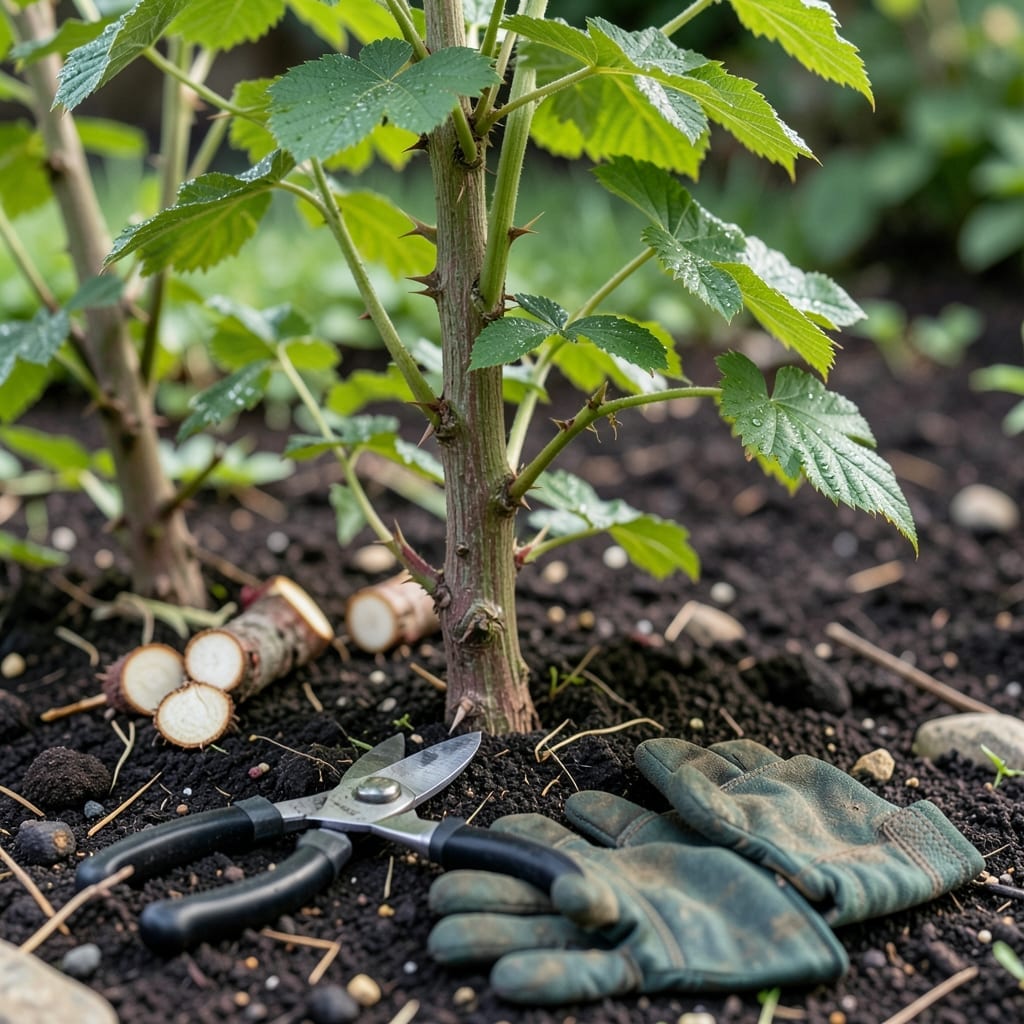
Pruning raspberries at the right time ensures healthier plants and bigger harvests. Get the timing wrong, and you risk stunting your 🫐 Raspberry or losing next year’s berries.
I’ve seen gardeners struggle with overgrown canes and weak fruit production because they missed the best window. The good news? It’s easier than you think once you know the seasonal cues.
Let me walk you through the exact timing for summer-bearing and ever-bearing varieties. You’ll discover how to keep your plants thriving year after year.
Timing your raspberry pruning correctly is the secret to maximizing both plant health and berry production. The best approach depends entirely on whether you’re growing summer-bearing or ever-bearing varieties.
For summer-bearing raspberries, I recommend pruning in late winter or early spring before new growth begins. This gives your plants time to recover and produce strong canes for the upcoming season ✂️
| Raspberry Type | Pruning Time | Key Action |
|---|---|---|
| Summer-bearing | Late winter | Remove old canes |
| Ever-bearing | After harvest | Cut back all canes |
| Both types | Early spring | Shape new growth |
With ever-bearing raspberries, the approach differs slightly. After your final harvest of the season, I cut all canes down to ground level. This encourages fresh growth for the next cycle and prevents disease buildup.
In cold climates, I always wait until late winter to prune. The canes provide some winter protection for the plant’s crown, and pruning too early can expose them to freeze damage.
For warmer regions, you can start pruning in early winter. The key is to finish before new buds begin to swell in spring, typically around March in most zones 🌱
Don’t forget about summer pruning too. For both types, I lightly trim the tips of new canes when they reach 3-4 feet tall. This encourages branching and stronger growth.
Remember that consistency is crucial. I mark my calendar each year to ensure I don’t miss the optimal window. A little planning goes a long way in maintaining productive raspberry plants.
If you’re unsure about your plant type, look at the fruiting pattern. Summer-bearing varieties produce one large crop, while ever-bearing types give you two smaller harvests per season.
Finally, always use clean, sharp pruners to make smooth cuts. This helps prevent disease and promotes faster healing for your raspberry canes ✂️
Proper pruning keeps your raspberry plants productive and manageable. I always start by identifying which canes need removal. Look for old, woody canes that have already fruited—they won’t produce again.
For summer-bearing raspberries, I remove these spent canes right after harvest. This clears space for new growth and improves airflow. Ever-bearing types get a full cutback to ground level after their final harvest ✂️
When cutting back new canes, I aim for a height of 3-4 feet. This encourages lateral branching, which means more fruit next season. Use sharp bypass pruners for clean cuts at a 45-degree angle.
Thinning is another crucial step. I remove weak or overcrowded canes to improve air circulation. This reduces disease risk and ensures each remaining cane gets enough sunlight and nutrients ☀️
Always sanitize your tools between cuts, especially if you’re removing diseased canes. I use a 10% bleach solution or rubbing alcohol to prevent spreading infections to healthy parts of the plant.
After pruning, I clean up all debris around the base. This removes hiding spots for pests and prevents fungal diseases from developing in the old plant material.
Finally, I give my raspberries a light fertilizer after pruning. This helps the plants recover and fuels new growth for the coming season. Always water deeply after feeding to help nutrients reach the roots 🌱