
Beautiful Plants For Your Interior
Beautiful Plants For Your Interior
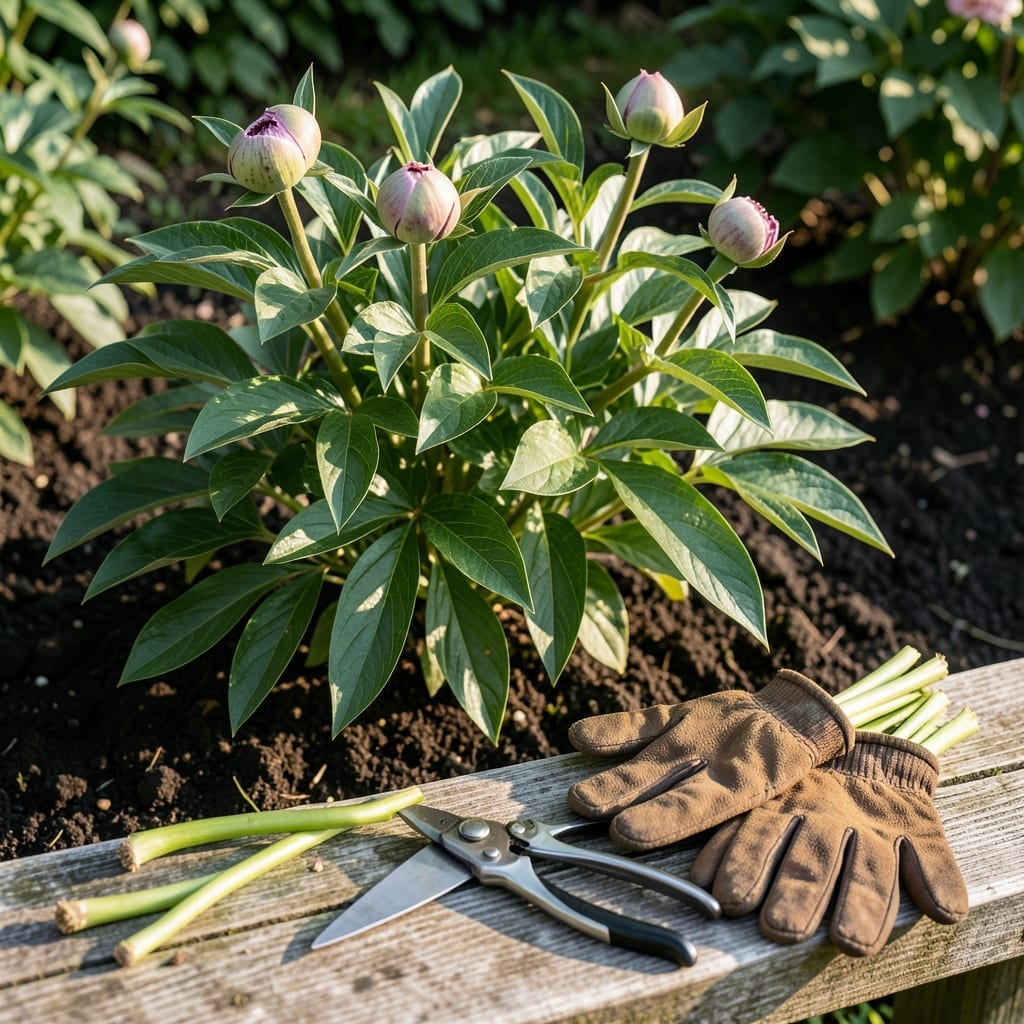
Knowing when to cut back your Peony 🌸 plants can transform your garden from ordinary to extraordinary. It’s not just about aesthetics—timing this task correctly ensures healthier plants and more vibrant blooms next season.
I’ve seen too many gardeners make the mistake of pruning at the wrong time, only to be disappointed by weak growth the following year. The key is understanding the plant’s natural cycle, especially in zones 3-8.
Discover the simple seasonal cues that tell you it’s time to reach for your pruners. Your peonies will thank you with their most spectacular display yet.
Timing your peony pruning correctly is the secret to bigger blooms next season. These perennials thrive in USDA zones 3-8 and need a strategic approach to cutting back.
I always recommend waiting until fall when the foliage starts to yellow and brown. This signals the plant is entering dormancy, making it the perfect time for pruning without stressing the peony.
| Stage | Timing | Action |
|---|---|---|
| Early Fall | September | Monitor foliage color change |
| Mid Fall | October | Cut back after first frost |
| Late Fall | November | Remove all foliage to ground |
The first frost is your best indicator. Once it hits, the foliage will die back naturally, telling you it’s safe to prune. This usually happens in October for most regions.
Avoid cutting back in spring or summer. Pruning during active growth can reduce flowering and stress the plant. I’ve learned this the hard way by accidentally removing potential buds.
In warmer climates, you might need to wait until November. The key is to let the plant complete its life cycle before you intervene with pruners. ✂️
For tree peonies, the approach differs slightly. These woody varieties benefit from light pruning in early spring, but still need their main pruning in fall like herbaceous types.
After cutting back, I always clean up debris around the base. This prevents disease and pests from overwintering in your garden. A little cleanup goes a long way for plant health.
Remember that healthy peonies can live for decades. Proper fall pruning helps them store energy in their roots for next year’s spectacular display. It’s one of the most rewarding garden tasks.
If you’re unsure, observe your neighbor’s peonies or local botanical gardens. When their foliage turns brown, that’s your cue to start pruning your own plants. 🌿
Cutting back peony plants requires the right tools and technique. I always use clean, sharp pruners to make precise cuts and prevent tearing the stems.
Begin by removing all foliage and stems down to 2-3 inches above the ground. This helps the plant focus energy on root development for next year.
Never cut back healthy green stems. This can remove stored energy the plant needs for next year’s growth. I learned this lesson after accidentally pruning too early one season.
For tree peonies, only remove dead wood in fall. Shape these woody plants in early spring before new growth appears, but avoid heavy pruning.
After cutting, I always dispose of plant debris far from the garden. This prevents fungal diseases like botrytis blight from spreading to other plants.
Finally, mark your calendar for late fall pruning. In most regions, October to November is ideal. Your peonies will reward you with more abundant blooms next season. ✂️