
Beautiful Plants For Your Interior
Beautiful Plants For Your Interior
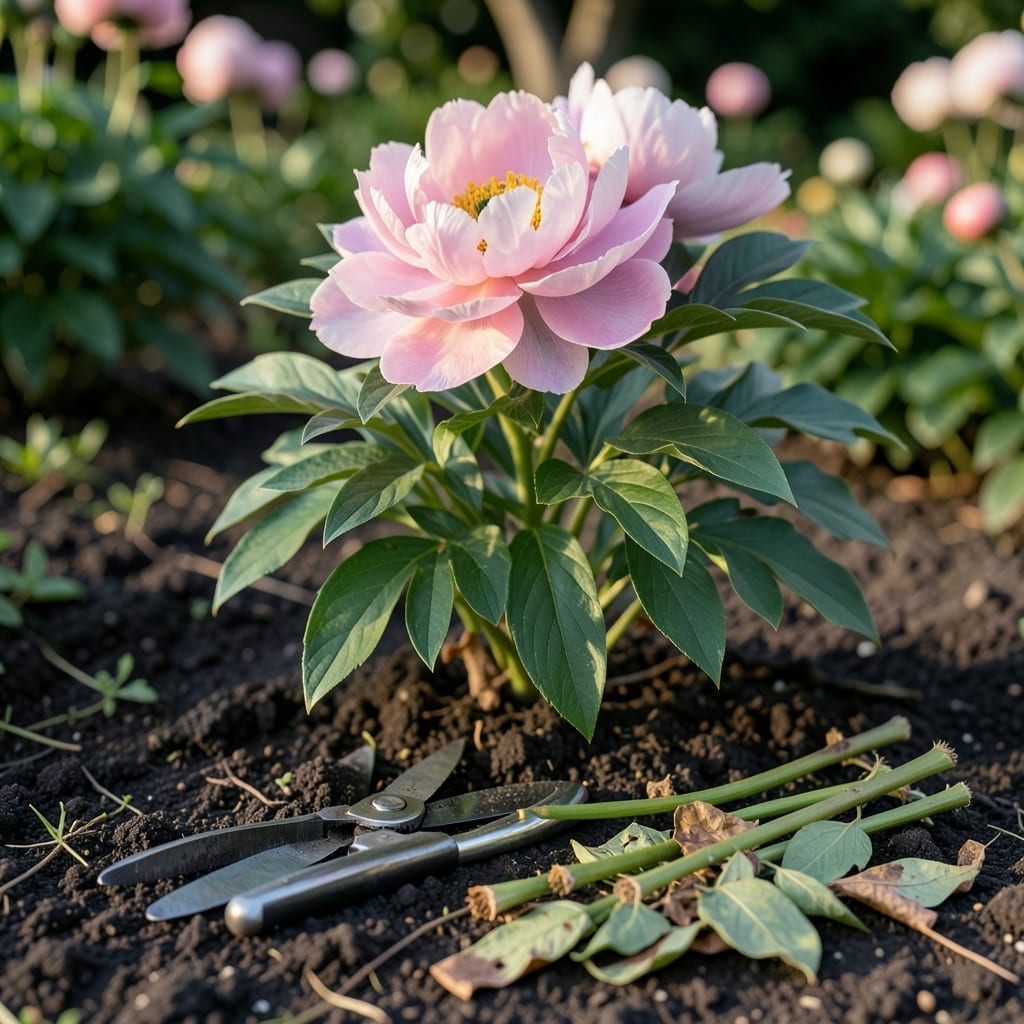
Timing your Peony pruning just right can mean the difference between a lackluster bloom season and a garden bursting with vibrant, healthy flowers. Cutting back 🌸 isn’t just about tidying up—it’s a crucial step to protect and prepare your plants.
I’ve learned that proper timing prevents disease and sets the stage for next year’s spectacular display. Whether you’re in zone 3-8 or just starting out, getting this right makes all the difference.
Discover exactly when and how to prune for healthier blooms. Let me show you the simple steps that will transform your garden’s future.
The ideal time to prune your peonies is after the first hard frost in fall. This typically occurs in October or November for most growing zones. The frost kills foliage, signaling the plant to enter dormancy.
I always wait until the leaves turn brown and wither naturally. This ensures the plant has stored enough energy reserves in its roots for next year’s growth. Pruning too early can weaken the plant and reduce blooms.
🌱 Key Takeaway
Cut back peonies after first frost when foliage dies back. This prevents disease and protects root health for vibrant spring blooms. Ideal for USDA zones 3-8.
In warmer climates like zone 8, you might not see a hard frost until late November. If your area has mild winters, watch for consistent cold temperatures below 25°F (-4°C) to trigger dormancy.
For herbaceous peonies, cut stems down to 3-4 inches above the ground. This removes potential disease harboring foliage while protecting the crown buds where next year’s growth emerges.
Tree peonies require different care. Unlike herbaceous types, they don’t die back completely. I only remove dead or diseased wood in late winter, avoiding fall pruning which can stimulate new growth vulnerable to frost.
The timing also helps with pest control. Many peony pests and diseases overwinter in old foliage. By removing this material in fall, you’re breaking their life cycle and reducing next year’s problems.
In my experience, late September is too early for most regions. Even if leaves start yellowing, wait for that killing frost. The plant needs that time to photosynthesize and store energy for spring.
Remember that mulching after pruning adds extra protection. I apply a 2-3 inch layer of organic mulch around the base, but keep it away from the crown to prevent rot.
Regional variations matter too. Gardeners in zone 3 might prune in early October, while those in zone 8 could wait until November or December. Always observe your local weather patterns and plant behavior. ✂️
Proper pruning starts with the right tools. I recommend using sharp bypass pruners or gardening shears that have been sterilized with rubbing alcohol to prevent disease spread between plants.
Begin by removing all dead or diseased foliage first. This prevents any potential fungal spores or pests from overwintering in your garden soil. I always dispose of this material in the trash, never the compost pile.
🌱 Pruning Steps
When making cuts, always angle your pruners at 45 degrees about 1/4 inch above a healthy bud. This slanted cut helps water run off the stem and reduces the risk of rot or disease entering the plant.
For herbaceous peonies, I cut all stems down to 3-4 inches from the ground. This height protects the crown buds that will produce next year’s growth while removing all foliage that could harbor problems.
After pruning, I like to clean the area thoroughly. Rake up all fallen leaves and plant debris around the base. This is especially important for preventing botrytis blight, a common peony disease.
Finally, consider applying a light winter mulch. I use straw or shredded leaves to insulate the soil. Just