
Beautiful Plants For Your Interior
Beautiful Plants For Your Interior
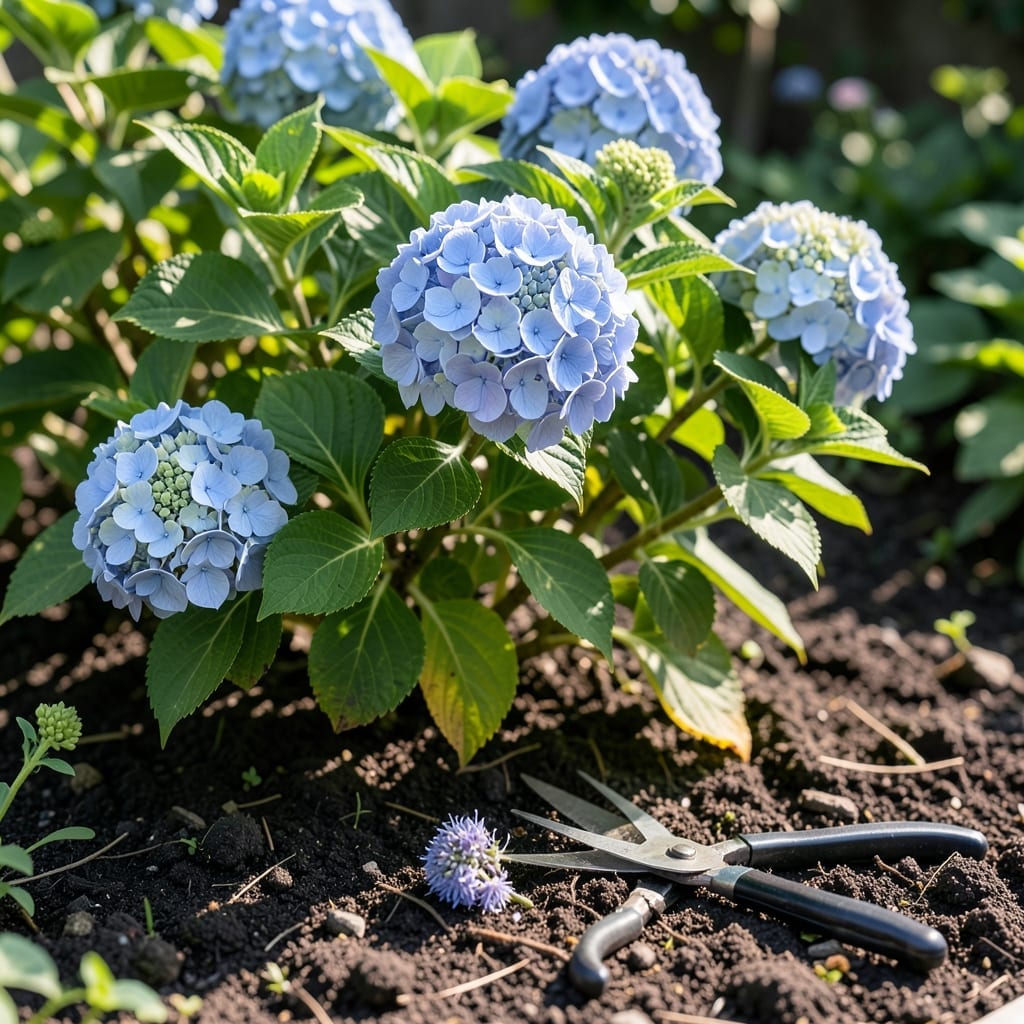
Pruning your 🌸 Endless Summer Hydrangea at the right time can make all the difference between a lackluster season and a burst of vibrant blooms. I’ve seen too many gardeners accidentally cost themselves a year of flowers by cutting back at the wrong moment.
Timing is everything with this plant, especially since it blooms on both old and new wood. The key is understanding its unique growth cycle and your local climate in zones 5a-9b.
Whether you’re a seasoned gardener or just starting out, knowing when to make those cuts ensures your hydrangeas thrive. I’ll walk you through the best seasons and techniques to keep them flourishing.
Discover how to time your pruning perfectly and enjoy a garden full of stunning, colorful blooms year after year.
I’ve found that Endless Summer hydrangeas bloom on both old wood and new wood, making their pruning timing unique. Unlike other varieties, you can prune these at different times without losing all your flowers.
However, the ideal window is late winter or early spring, just before new growth begins. This timing allows the plant to recover and produce blooms on the fresh growth.
| Stage | Action |
|---|---|
| Late Winter | Remove dead or weak stems |
| Early Spring | Prune before new growth starts |
| After Blooming | Light trim to shape the plant |
| Fall | Avoid pruning to protect buds |
Pruning in late winter or early spring works because Endless Summer hydrangeas can produce blooms on both the previous year’s growth and the current year’s growth. This flexibility is a big advantage.
If you prune in fall or winter, you risk cutting off buds that have already formed for the next season. This is why timing is so crucial for these plants.
I always check for new growth starting at the base of the plant. Once I see small green shoots emerging, I know it’s time to prune any remaining dead wood from the previous year.
For gardeners in colder climates (USDA zones 4-5), wait until the last frost has passed before pruning. This prevents new growth from being damaged by a late freeze.
In warmer climates (USDA zones 7-9), you can prune a bit earlier, as the risk of frost is lower. The key is to prune before the plant starts actively growing.
If you miss the ideal window, don’t panic. Endless Summer hydrangeas are forgiving. You can still prune in early summer after the first flush of blooms has faded.
Just avoid heavy pruning at this time, as it can reduce the number of flowers you’ll get later in the season.
I’ve learned that the best approach is to prune lightly and frequently rather than doing one major cutback. This helps maintain the plant’s shape and encourages continuous blooming. ✂️
I’ve found that Endless Summer hydrangeas need precise pruning to thrive. These bigleaf hydrangeas bloom on both old and new wood, so timing your cuts is crucial for maximum flowers. I always start by inspecting the plant for dead or damaged stems before making any cuts.
Pruning too late in the season can remove flower buds that have already formed. That’s why I recommend pruning in late winter or early spring, just as the plant begins to wake up. This timing ensures you don’t accidentally cut off potential blooms.
I always use bypass pruners for a clean cut, which helps prevent stem damage. Make sure your tools are sharp and sanitized to avoid spreading diseases between plants. A quick wipe with rubbing alcohol between cuts keeps everything safe.
After pruning, I apply a layer of mulch around the base to retain moisture and protect the roots. This is especially important in USDA zones 5-9, where temperature fluctuations can stress the plant. Mulch also helps suppress weeds that compete for nutrients.
If you notice pest damage or disease during pruning, address it immediately. I treat fungal issues with neem oil and remove any infected stems to prevent spread. Healthy plants recover faster and produce more blooms.
Finally, I fertilize my hydrangeas with a balanced 10-10-10 formula after pruning to support new growth. This gives the plant the nutrients it needs to bounce back strong and produce an abundance of flowers come summer ✂️