
Beautiful Plants For Your Interior
Beautiful Plants For Your Interior
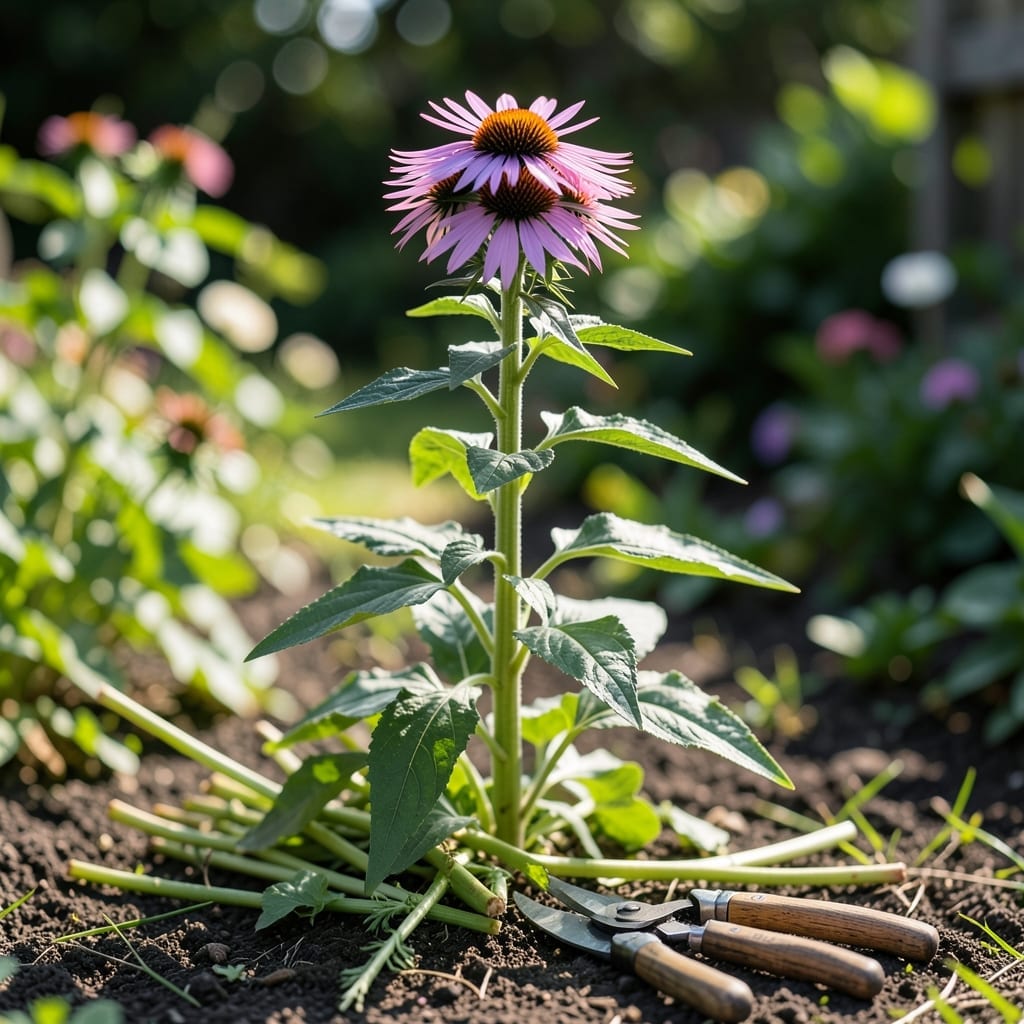
Knowing when to cut back echinacea can make all the difference between a lackluster garden and one bursting with vibrant, healthy coneflowers year after year.
Timing is everything for this hardy perennial. Do it right, and you’ll be rewarded with stronger growth and more abundant blooms.
I’ve learned through experience that the right moment depends on your goals and location. Whether you’re in zone 4-9 or just want to encourage new growth, there’s a perfect window for you.
Let me show you exactly when and how to prune your Echinacea for the best results. Your garden will thank you.
Timing your echinacea pruning correctly ensures vibrant blooms and healthy regrowth. I’ve found that late winter or early spring works best for most gardeners.
In USDA zones 4-9, cutting back before new growth emerges prevents damage to tender shoots. This timing also removes old foliage that may harbor pests or diseases.
| Pruning Time | Best For | Notes |
| Late Winter/Early Spring | New growth preparation | Cut back to 3-4 inches above soil |
| Late Fall | Disease prevention | Remove dead stems after frost |
| After Flowering | Encourage rebloom | Deadhead spent blooms regularly |
For fall pruning, wait until after the first frost when the plant enters dormancy. This helps prevent winter damage while keeping your garden tidy.
In warmer climates, you might skip fall pruning entirely. The standing stems can provide winter interest and protect the crown from cold snaps.
If you’re in a mild winter region, early spring is still ideal. This gives the plant time to recover before the growing season kicks in.
Remember, deadheading during the growing season isn’t the same as pruning. I remove faded blooms to encourage more flowers, but save the big cut back for dormancy.
For container-grown echinacea, follow the same timing but be extra gentle. Potted plants can be more sensitive to temperature swings and stress.
Finally, always use clean, sharp tools to make clean cuts. This minimizes stress and reduces the risk of disease transmission to your plants. ☀️
By following these seasonal guidelines, your echinacea will reward you with stronger stems and more abundant blooms each year. 🌼
Pruning Echinacea the right way keeps your coneflowers thriving. I always start by gathering sharp bypass pruners and gardening gloves to avoid damaging the stems.
This ensures clean cuts and protects your hands from the plant’s rough texture. The timing and method you use directly impact how well your Echinacea bounces back for the next season ✂️
For deadheading, I snip just above the first set of leaves or a new bud. This encourages the plant to redirect energy into producing new blooms rather than seeds.
If you’re pruning in early spring, wait until you see new growth at the base. This signals that the plant is ready to regrow after its winter dormancy.
Never remove more than one-third of the plant at a time. Cutting back too aggressively can stress the Echinacea and delay its recovery.
After pruning, I like to add a thin layer of compost around the base to give the plant a nutrient boost as it regrows. This simple step makes a noticeable difference in bloom quality 🌼
Finally, always dispose of the cuttings properly. I compost healthy trimmings but toss any diseased stems in the trash to prevent spreading issues to other plants.