
Beautiful Plants For Your Interior
Beautiful Plants For Your Interior
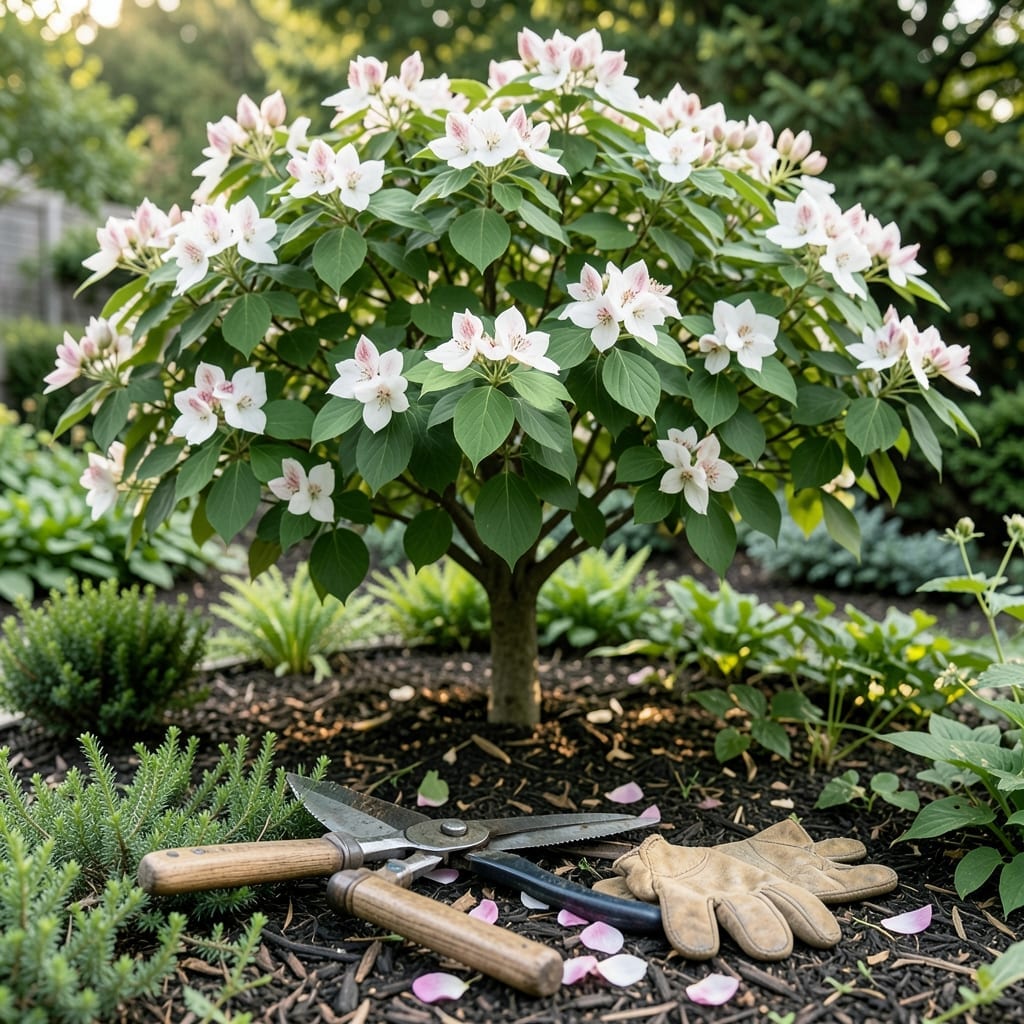
Pruning your 🌳 Dogwood at the right time can make all the difference between lackluster growth and vibrant seasonal blooms.
Cut back too early or too late, and you might sacrifice next year’s flowers or stress the plant. The timing is everything for keeping your Dogwood healthy and flourishing.
Let me walk you through when and how to prune for the best results. You’ll discover the seasonal sweet spot that keeps your shrub or tree thriving.
Timing your dogwood pruning right ensures next season’s vibrant blooms don’t get sacrificed. I’ve found that late winter to early spring works best for most varieties.
This window lets you remove dead or diseased branches before new growth starts, while avoiding the flower bud damage that comes with fall pruning.
| Dogwood Type | Best Pruning Time | Key Consideration |
|---|---|---|
| Flowering Dogwood | After blooming | Avoid cutting flower buds |
| Non-Flowering | Late winter | Before new growth starts |
| Kousa Dogwood | Early spring | After coldest weeks pass |
For flowering dogwoods, I always wait until after the blooms fade—usually late spring—so I don’t accidentally remove next year’s flowers. The buds form on old wood.
Non-flowering varieties are more forgiving. I prune them in late winter while they’re still dormant, which gives the plant time to heal before spring growth.
Regional climate matters too. In colder zones like USDA 5-6, I hold off until the last frost has passed to prevent cold damage to fresh cuts.
Warmer climates in zones 7-9 allow for earlier pruning, sometimes as early as February, since the risk of frost is lower.
If you miss the ideal window, don’t prune in fall. This can stimulate new growth that won’t harden off before winter, leaving your dogwood vulnerable.
I’ve learned that even light trimming in fall can reduce cold hardiness. Always aim for that late winter to early spring sweet spot.
For young dogwoods, focus on shaping and removing crossing branches rather than heavy pruning. This builds a strong structure for future blooms. ✂️
Proper pruning technique is just as important as timing for your dogwood’s health. I always start with sharp bypass pruners to make clean cuts that heal quickly.
First, remove any dead, diseased, or crossing branches at their base. This improves airflow and prevents pests from taking hold.
For thinning cuts, I remove entire branches back to the trunk or a main limb. This opens up the canopy and lets light reach inner growth.
Heading cuts shorten branches but should be used sparingly. I only do this to shape the plant or control size, never removing more than 1/3 of a branch. ✂️
After pruning, I water deeply to help the plant recover. Adding a 2-inch layer of mulch around the base keeps roots cool and retains moisture.
For mature dogwoods, focus on removing suckers at the base and any branches growing inward. This maintains the plant’s natural shape while encouraging strong, healthy growth. 🌳