
Beautiful Plants For Your Interior
Beautiful Plants For Your Interior
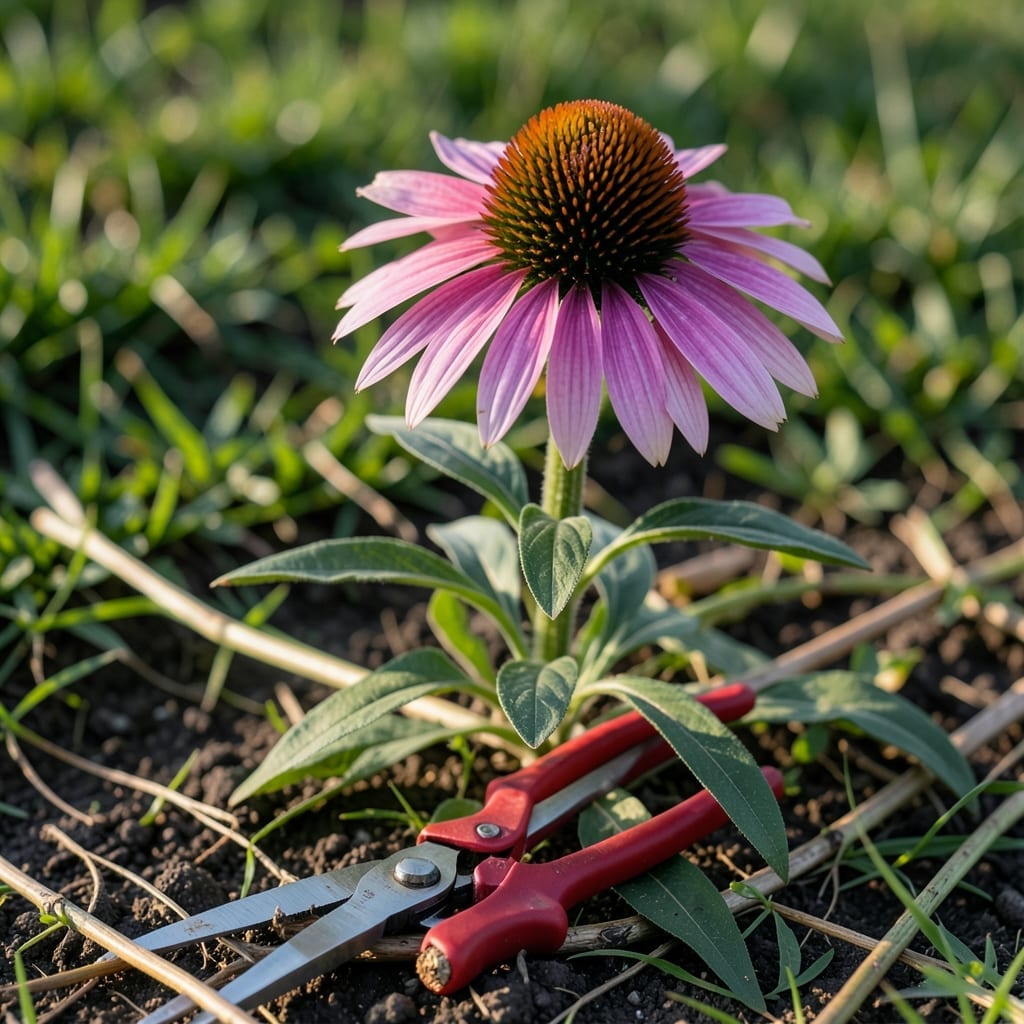
I used to struggle with knowing the right time to prune my garden until I discovered the simple secret for keeping my coneflowers thriving. That moment changed how I approach gardening entirely.
The 🌼 Coneflower is forgiving, but timing your pruning makes all the difference. Do it right, and you’ll see healthier plants with more vibrant blooms next season.
Let me show you exactly when to grab those shears and how to do it for the best results. Your garden will thank you.
Timing your pruning right can transform your coneflower garden from average to spectacular. I’ve found that early spring is ideal for the first major trim, just as new growth begins to appear at the base of the plant.
This spring cleanup removes old, dead stems and makes way for fresh, healthy growth. It also helps prevent disease by improving air circulation around the plant’s base. ✂️
| Season | Action | Purpose |
|---|---|---|
| Early Spring | Cut back to 4-6 inches | Remove dead stems, encourage new growth |
| Mid-Summer | Deadhead spent blooms | Promote reblooming and tidiness |
| Late Fall | Trim to 12 inches | Prevent disease, prepare for winter |
In mid-summer, I focus on deadheading spent blooms. This isn’t a full cutback but a targeted approach to keep the plant looking tidy and to encourage more flowers to form.
Use sharp shears to snip off the faded blooms just above a set of healthy leaves. This small effort can extend your coneflowers’ blooming season by weeks. 🌼
Late fall is another critical time for pruning. Cutting back the stems to about 12 inches helps prevent disease by removing old, potentially infected plant material.
However, I always check my local weather patterns. In colder regions, leaving some stem intact can provide winter interest and protect the crown from freeze damage.
For gardeners in warmer climates, a more aggressive fall cutback is often fine. The key is to avoid pruning too late in the season, as new growth may not have time to harden off before cold weather arrives.
If you’re unsure, observe your plants closely. The best time to prune is when the stems are dry and brown, but before new growth starts emerging in spring. This ensures you’re not cutting into active growth.
Remember, coneflowers are resilient. Even if you miss the perfect window, they’ll often bounce back. But following this seasonal pruning schedule will give you the healthiest, most vibrant plants year after year. 🌿
Pruning coneflowers the right way keeps them healthy and blooming all season long. I always start with sharp bypass pruners to ensure clean cuts that heal quickly and reduce stress on the plant.
Begin by removing any dead or damaged stems at the base. This step is crucial for preventing disease and allowing the plant to focus its energy on new growth and flower production. ✂️
When cutting, I
In early spring, I cut the stems down to about 4-6 inches from the ground. This height provides enough structure for new growth to emerge while removing the old, woody stems from last year.
For mid-summer deadheading, I remove spent blooms by cutting just above the next set of leaves. This method keeps the plant looking neat while stimulating more flowers to form.
After pruning, I always clean up the debris around the plant. This removes potential hiding spots for pests and diseases, giving my coneflowers the best chance to thrive. 🌼