
Beautiful Plants For Your Interior
Beautiful Plants For Your Interior
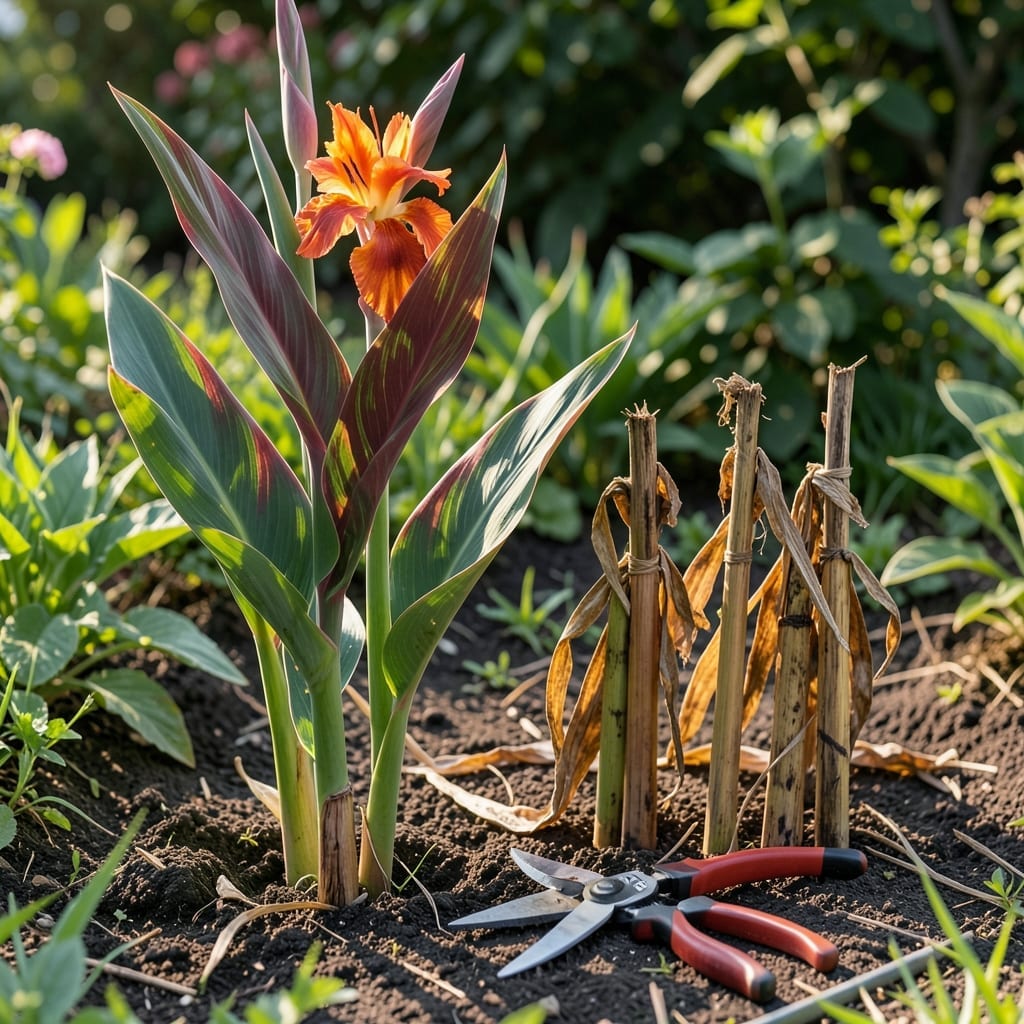
Cannas bring tropical flair to any garden with their bold foliage and vibrant blooms, but knowing when to cut them back is the key to their health and next season’s growth.
Prune at the wrong time, and you risk stunting their beauty or leaving them vulnerable to winter damage. The 🌺 Canna’s timing depends on your climate and growth cycle.
Discover the best approach for your region and learn how to encourage strong regrowth for a more vibrant garden next spring.
Timing your canna pruning right ensures vibrant blooms next year. In cold climates, wait until after the first hard frost blackens the foliage, signaling dormancy. This protects the rhizomes from early winter damage.
For warm regions, you can prune in late fall or even early winter, as cannas may stay green longer. The goal is to cut back before new growth starts in spring, so the plant directs energy to roots.
| Climate | Best Time to Prune | Key Consideration |
|---|---|---|
| Cold (Zones 1-6) | After first hard frost | Foliage blackened by frost |
| Moderate (Zones 7-9) | Late fall to early winter | Before new spring growth |
| Warm (Zones 10-12) | Anytime in dormant season | Avoid active growth periods |
I always check the 10-day forecast before pruning. A sudden warm spell after cutting can trick the plant into sending up new shoots, which are vulnerable to the next cold snap.
In USDA Zone 6 and colder, I’ve found that November is ideal. The foliage has died back naturally, and the rhizomes are safely underground. This timing also makes spring cleanup easier.
For container-grown cannas, you can prune a bit earlier. Since they’re more exposed to temperature swings, cutting back after the first light frost helps them focus energy on root survival.
Remember, never prune while the plant is actively growing. This can stress the canna and reduce next year’s blooms. Wait until the plant is fully dormant.
After pruning, I like to add a 2-inch layer of mulch over the rhizomes. This insulates them from freezing temperatures and gives them a head start in spring.
If you’re in a mild climate where cannas stay evergreen, you can prune in early spring instead. Just remove the old foliage to make way for new growth.
No matter your region, sharp pruners are a must. Clean cuts heal faster and reduce the risk of disease entering the stems ✂️
Pruning canna lilies properly keeps them healthy and encourages bigger blooms next season. I always start by gathering the right tools: sharp bypass pruners and gardening gloves for safety.
First, identify the dead or dying foliage. This is what you’ll remove. Cut each stalk down to 4-6 inches above ground level, leaving enough to mark the rhizome location for spring.
I recommend cutting at a 45-degree angle to help water run off. This prevents rot at the base of the stem, which can spread to the rhizomes underground.
After pruning, remove all the old foliage from the garden. This isn’t just about tidiness—decaying leaves can harbor pests and diseases that might affect next year’s growth.
For container cannas, I prune the same way but move the pots to a protected location like a garage or shed. This gives the rhizomes extra insulation against freezing temperatures.
Finally, water lightly after pruning. This helps settle the soil and reduces shock to the plant. But don’t overdo it—too much moisture can lead to rot in dormant rhizomes. ✂️