
Beautiful Plants For Your Interior
Beautiful Plants For Your Interior
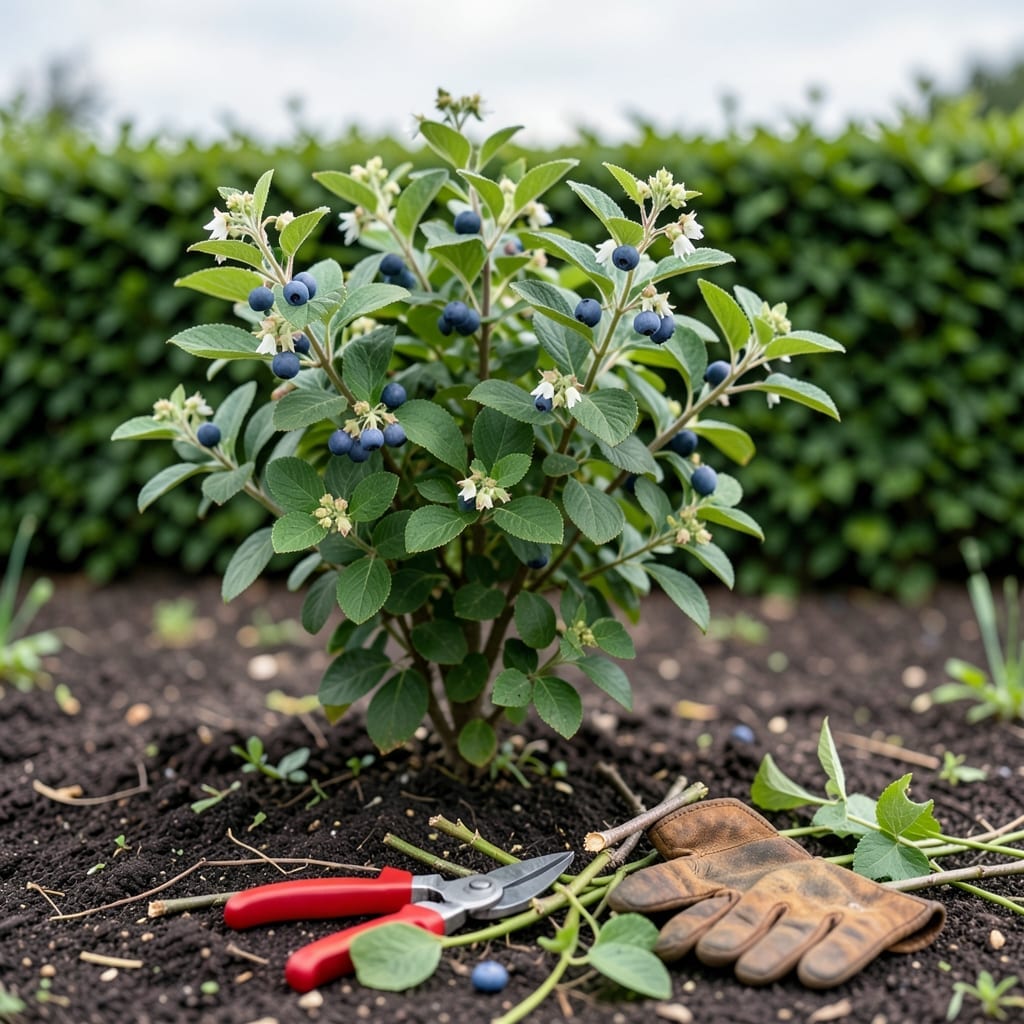
Pruning blueberries at the right time is the key to healthier bushes and bumper crops. Cut too early or too late, and you risk stunting growth or losing next year’s harvest.
I’ve seen gardeners struggle with when to cut back blueberries, often missing the sweet spot. The 🫐 Blueberry thrives when pruned at just the right moment, setting the stage for bigger harvests.
Timing isn’t just about the calendar—it’s about understanding how pruning fuels fruit production. In Zone 6a, the window is narrow but critical.
Discover how a simple trim can transform your bushes from struggling to thriving. Let’s break it down.
Getting the timing right for pruning blueberry bushes is what separates a mediocre harvest from a bountiful one. I’ve learned that late winter or early spring, just before new growth starts, is ideal for most regions.
This timing allows the plant to heal quickly while directing energy toward fruit production rather than repairing cuts. For me, this usually means pulling out the pruning shears in February or March.
| Timing Factor | Recommendation |
|---|---|
| Best Months | Late winter to early spring |
| Cold Climates | February to March |
| Warm Climates | January to February |
| Early Varieties | Prune after harvest |
| Late Varieties | Late winter |
In cold climates, I wait until the worst frost has passed but before buds swell. This prevents winter damage to fresh cuts while ensuring the plant isn’t wasting energy on growth that will be removed.
For warm climates, I start pruning as early as January, since blueberries break dormancy sooner. The key is to finish before new leaves appear, which usually gives me a 4-6 week window.
Early-season varieties often benefit from a light prune right after harvest. This encourages new cane growth that will produce fruit the following year. I’ve found this especially useful for highbush blueberries.
For late-season varieties, sticking to late winter pruning works best. This ensures the plant has plenty of time to recover and set buds for the next harvest. I always remove dead wood first, regardless of the season.
Remember, never prune in fall. This stimulates new growth that won’t have time to harden off before winter, leaving your bushes vulnerable to cold damage. I learned this the hard way my first year!
If you’re unsure about your local timing, watch for bud swelling as your cue. Once you see those buds starting to plump up, it’s time to put the shears away until next year.
Finally, always sterilize your tools between cuts to prevent disease. A quick wipe with rubbing alcohol does the trick. This small step can make a big difference in keeping your blueberry bushes healthy for years to come. ✂️
I always start by inspecting my blueberry bushes for old canes and weak growth. The best time to prune is late winter or early spring, just before new growth begins.
This timing ensures I don’t remove fruit-bearing wood while still giving the plant time to heal before spring. For younger bushes, I focus on shaping the structure rather than heavy cutting.
I use sharp bypass pruners for clean cuts and always sterilize tools between plants. This prevents disease transmission and keeps my bushes healthy.
For mature blueberry bushes, I aim to remove about 20-30% of the oldest canes each year. This rejuvenates the plant and boosts fruit production for the next season.
Remember, never prune after mid-summer, as this can stimulate new growth that won’t have time to harden off before winter. This is especially important in cold climates.
After pruning, I always clean up all debris around the base to prevent pests and diseases. A little care now means bigger, healthier harvests later. ✂️