
Beautiful Plants For Your Interior
Beautiful Plants For Your Interior
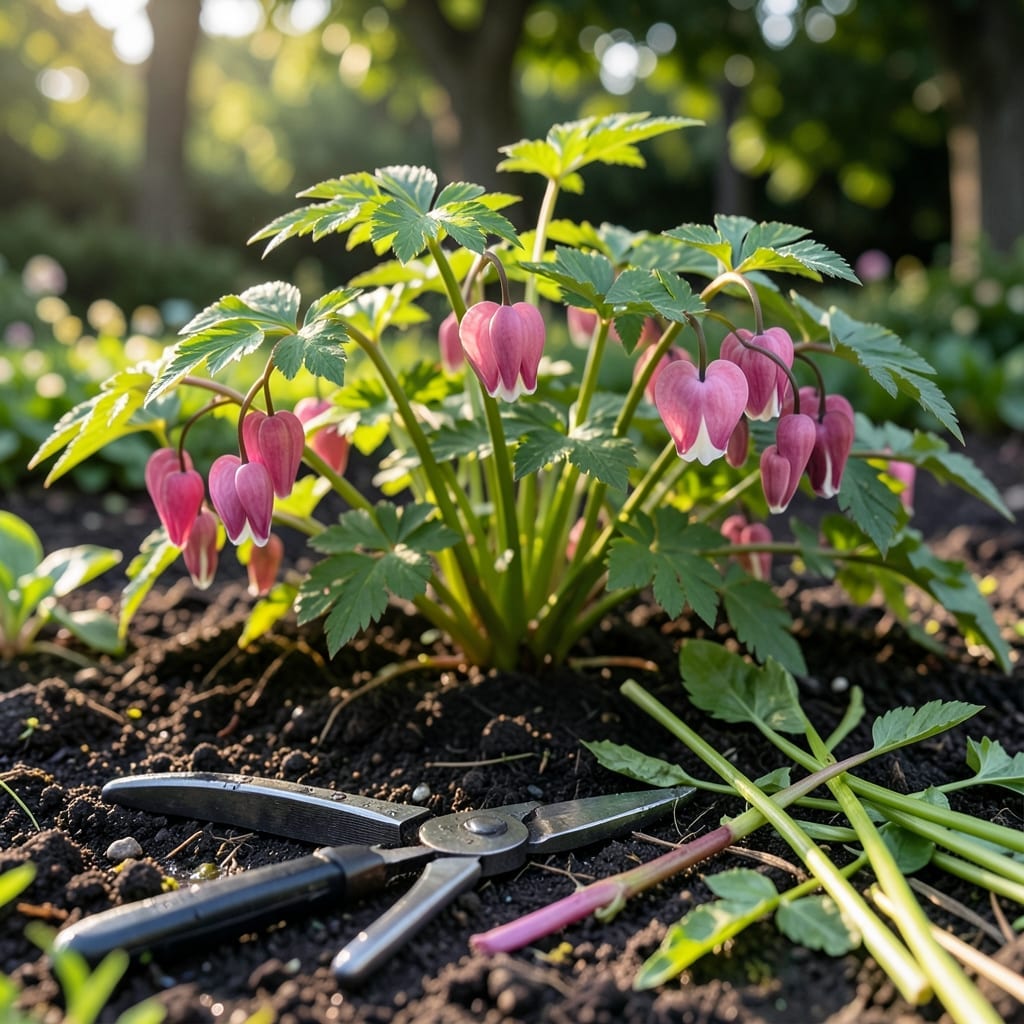
I love how the Bleeding Heart 💖 transforms my garden each spring with its charming blooms. But here’s what many gardeners get wrong: timing your pruning can make or break next year’s display.
Cutting back too early or too late can stress the plant or even cost you those beautiful flowers. The good news? There are clear seasonal signals that tell you exactly when to act.
Discover the simple cues I use to time my pruning perfectly for healthier plants and more abundant blooms next season.
I’ve learned that timing is everything with Bleeding Hearts. These delicate perennials thrive when pruned at the right moment, ensuring vibrant blooms the following year. The key is observing the plant’s natural cycle.
In my experience, the best time to cut them back is late fall or early winter, after the foliage has naturally died back. This allows the plant to store energy for the next growing season.
| Pruning Time | Season | Purpose |
|---|---|---|
| Late Fall | After first frost | Remove dead foliage |
| Early Winter | Dormant season | Prevent disease |
| Early Spring | Before new growth | Clean up old stems |
Avoid pruning in late summer or during active growth. This can remove the energy reserves the plant needs for next year’s flowers. I’ve seen gardeners lose entire blooming seasons by cutting back too early.
If your Bleeding Hearts still have green leaves, wait. The foliage is busy photosynthesizing and storing nutrients. Cutting it back too soon can weaken the plant and reduce next year’s blooms.
Another good indicator is the first hard frost. Once the leaves turn yellow or brown and start to wither, it’s safe to prune. This usually happens in October or November for most growing zones.
I like to use clean, sharp bypass pruners for this task. Sterilize them first to prevent disease. Cut the stems back to 1-2 inches above the ground, removing all dead or dying foliage.
Some gardeners prefer to leave the old growth until spring. This can provide winter interest and extra protection for the plant’s crown during cold months. Just clean it up before new shoots emerge.
Remember, Bleeding Hearts are hardy in USDA zones 3-9. If you’re in a milder climate, you might not need to cut them back at all. The plant will naturally die back and regrow each year.
Finally, always observe your specific plant. If it looks healthy and is still blooming, hold off on pruning. The right timing ensures your Bleeding Hearts will reward you with lush foliage and abundant flowers next season. ✂️
I always start by checking my Bleeding Hearts for signs of dormancy. When the foliage turns yellow and begins to wither, it’s nature’s signal that it’s time to prune. This usually happens after the first frost in most regions.
Before making any cuts, I gather my tools: sharp bypass pruners and gloves. Sterilizing the pruners with rubbing alcohol prevents disease spread. Safety first, even in the garden!
I find that cutting back in late fall or early winter works best. This timing allows the plant to focus on root development. It also reduces the risk of new growth being damaged by cold snaps.
If you prefer a neater look, you can cut back in early spring before new shoots emerge. Just be careful not to damage any fresh growth. I’ve made this mistake before and regretted it!
After pruning, I add a light layer of mulch around the base. This protects the crown from winter damage and retains moisture. Use organic mulch like shredded bark for best results.
Finally, I mark the location with a small stake. This helps me avoid accidentally disturbing the Bleeding Hearts while planting other perennials. A little planning goes a long way in the garden. ✂️