
Beautiful Plants For Your Interior
Beautiful Plants For Your Interior
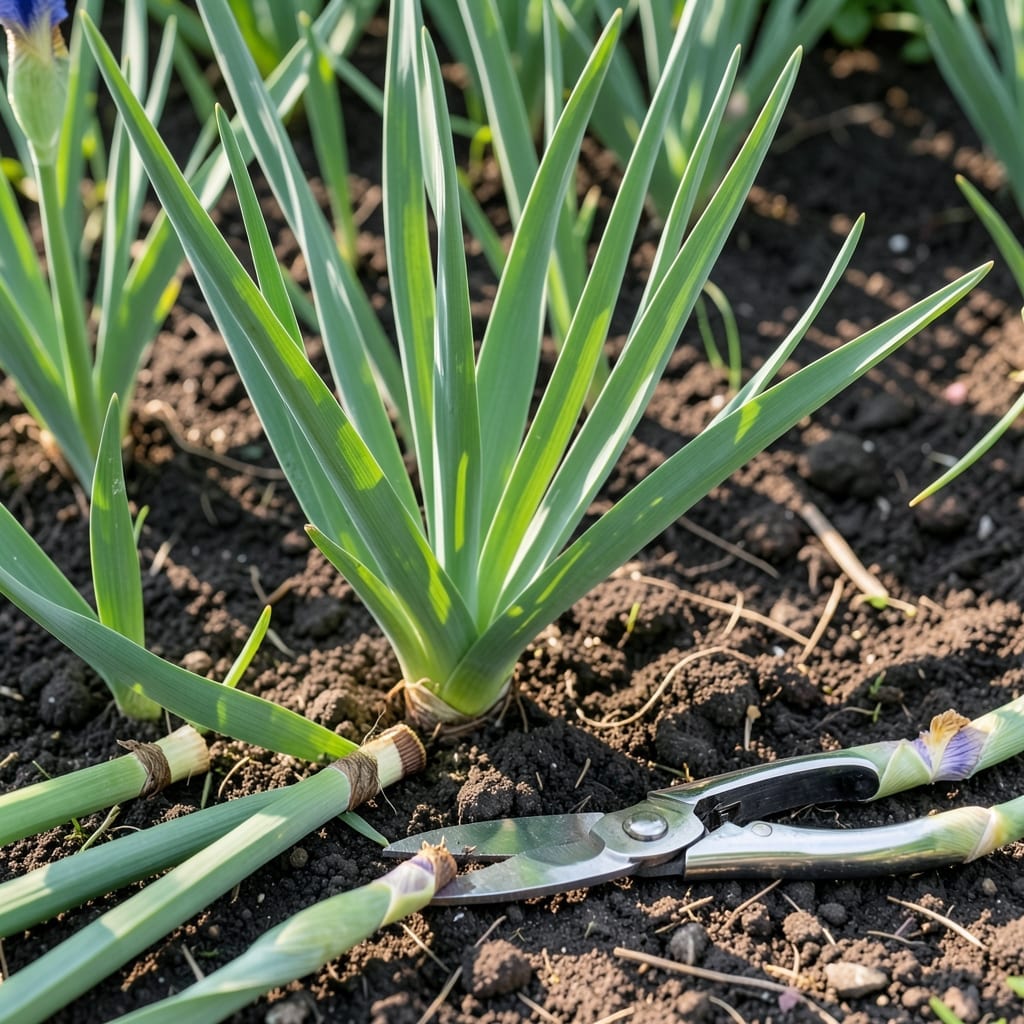
There’s nothing more disappointing than watching your 🌸 Bearded Iris struggle to bloom after putting in so much effort. The timing of your pruning makes all the difference in their performance.
I learned this the hard way when my first attempt at cutting back left me with sparse flowers the next season. Proper timing isn’t just about aesthetics—it directly impacts your plant’s health and vigor.
Whether you’re a seasoned gardener or new to growing these beauties in zones 3-10, understanding the right window for pruning can transform your results. Let me show you when to make that crucial cut.
Discover how a simple timing adjustment can lead to the vibrant, abundant blooms you’ve been dreaming of. Your iris will thank you for it.
Timing your bearded iris pruning correctly ensures vibrant blooms next season. I’ve found late summer to early fall works best, about 6-8 weeks after flowering. This gives the plant time to store energy.
The ideal window is typically July through September, depending on your USDA zone. In warmer climates, you might start earlier. Cooler regions should wait until late August or early September.
| Stage | Action | Timing |
|---|---|---|
| Post-Bloom | Remove spent flower stems | Immediately after blooming |
| Foliage Trim | Cut back yellowing leaves | July – September |
| Winter Prep | Trim to 6-inch fans | After first frost |
| Spring Cleanup | Remove dead foliage | Early spring |
After the last bloom fades, I cut the flower stalks down to the base. This prevents seed formation, which can drain the plant’s energy. It also keeps your garden looking tidy and healthy.
For the main foliage, I wait until the leaves start yellowing. This usually happens in late summer. Cutting too early can reduce next year’s blooms by limiting photosynthesis.
In colder zones, I recommend trimming the foliage to 6 inches after the first frost. This helps prevent winter damage and reduces the risk of pests or diseases taking hold in the dead leaves.
If you live in a mild climate, you might skip the fall trim entirely. Instead, do a light cleanup in early spring to remove any damaged or dead leaves from winter weather.
Remember, bearded irises store energy in their rhizomes. Proper timing ensures they have enough reserves for next season. I’ve seen dramatic improvements in bloom quality just by pruning at the right time.
Finally, always use clean, sharp pruners to avoid tearing the leaves. Sterilize your tools with rubbing alcohol between plants to prevent disease spread. This small step makes a big difference in plant health.
✂️Pruning bearded iris properly keeps them healthy and ready for next year’s blooms. I always start by removing spent flower stems at the base to prevent seed formation and redirect energy to the rhizomes. This is a simple yet crucial step after blooming ends.
Next, I trim back the foliage in late fall or early winter, cutting it to about 6 inches above the ground. This reduces winter damage while still allowing the plant to photosynthesize and store energy for spring growth.
I always use sharp, clean pruners to avoid tearing the leaves, which can invite disease. A quick wipe with rubbing alcohol between cuts ensures I don’t accidentally spread any pathogens from one iris plant to another.
The timing of your cuts matters too. I never prune during active growth in spring or summer, as this can stress the plant. Instead, I wait until the foliage yellows in fall, signaling that the plant is entering dormancy.
After pruning, I
Finally, I resist the urge to cut back too severely. Leaving some green foliage ensures the plant can still gather sunlight and produce food for next year’s vibrant blooms. ✂️