
Beautiful Plants For Your Interior
Beautiful Plants For Your Interior
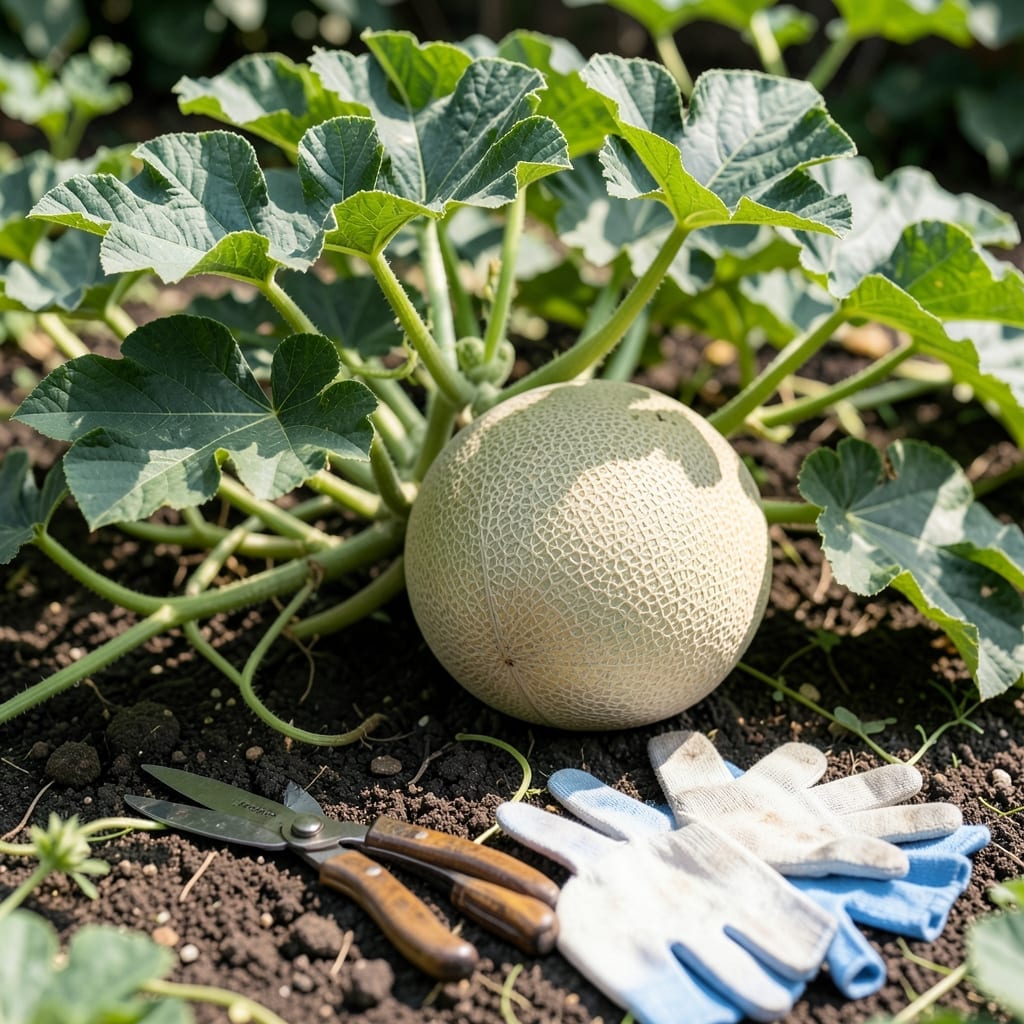
Picking a Cantaloupe at the perfect moment means the difference between bland disappointment and burst-of-sunshine sweetness. The key is knowing when to cut.
I’ve learned that timing is everything with this 🍈 garden favorite. Too early, and you’ll miss out on that rich, honeyed flavor. Too late, and the texture turns mushy.
What if you could confidently determine the exact right time to harvest? I’ll show you the simple signs to look for that guarantee peak ripeness every time.
Discover how to use stem slip and aroma tests to pick your Cantaloupe at its sweetest. Your taste buds will thank you.
Timing your cantaloupe harvest perfectly starts with the stem slip method. A ripe melon will naturally detach from the vine with gentle pressure, leaving a clean, smooth scar. This is the most reliable sign that your fruit is ready to be picked and enjoyed.
If the stem doesn’t slip easily, the cantaloupe isn’t ripe. Forcing it off can damage both the fruit and the vine. I always check a few melons daily as they near maturity to catch that perfect moment of detachment.
The aroma test is another key indicator of ripeness. A mature cantaloupe will emit a strong, sweet, musky fragrance at the blossom end (opposite the stem). If you don’t smell anything, it needs more time on the vine.
Visually, watch for the rind color change from green to a cream or beige hue. The netting on the surface should also become more pronounced and rough to the touch. These changes signal that the sugars inside are developing nicely.
I’ve found that morning harvests work best. The fruit has had all night to concentrate its sugars, and the cooler temperature helps preserve freshness. Just wait until the dew has dried to prevent any moisture-related issues.
The blossom end should also soften slightly when pressed. This isn’t about mushiness—just a gentle give. Combined with the other signs, this confirms your cantaloupe is at its peak ripeness.
Remember that size isn’t everything. Some varieties stay small but pack intense flavor. Focus on the stem slip and aroma rather than dimensions alone. My smallest cantaloupes have often been the sweetest.
Avoid harvesting during the hottest part of the day. The fruit can be warm from the sun, which might make it seem softer than it actually is. Early morning or late afternoon provides the most accurate assessment of ripeness.
If you’re growing multiple vines, check each cantaloupe individually. Even on the same plant, fruits can mature at slightly different rates. I like to mark the ripest candidates with a small ribbon to revisit them the next day.
With these methods, you’ll consistently pick cantaloupes at their peak flavor. The combination of visual, tactile, and olfactory cues ensures you never miss that perfect harvest window.
✂️Harvesting Cantaloupes too early is a common mistake that leaves you with underripe fruit. The stem won’t slip easily, and the aroma is missing. This means low sugar and immature seeds.
Waiting too long can be just as bad. Overripe Cantaloupes develop a mushy texture and can split open on the vine. The sweet spot is often missed by just a day or two.
⚠️ Harvesting Warning
Never pull or twist the fruit from the vine. This can damage the plant and lead to bruised fruit. Always use clean pruners or a knife.
Another mistake is ignoring the blossom end. This area should soften slightly when ripe. If it stays hard, the Cantaloupe needs more time. I always check this spot first.
Improper cutting techniques can harm both the fruit and the vine. Leave about 2 inches of stem attached to prevent rot and extend storage life. This small step makes a big difference.
Timing your harvest for the wrong part of day affects sweetness. I avoid picking in the heat of afternoon when sugars are lower. Morning is ideal, after dew has dried.
Finally, don’t judge ripeness by size alone. A smaller Cantaloupe can be perfectly ripe while a large one might be watery. Focus on the stem slip and aroma tests instead. ✂️