
Beautiful Plants For Your Interior
Beautiful Plants For Your Interior
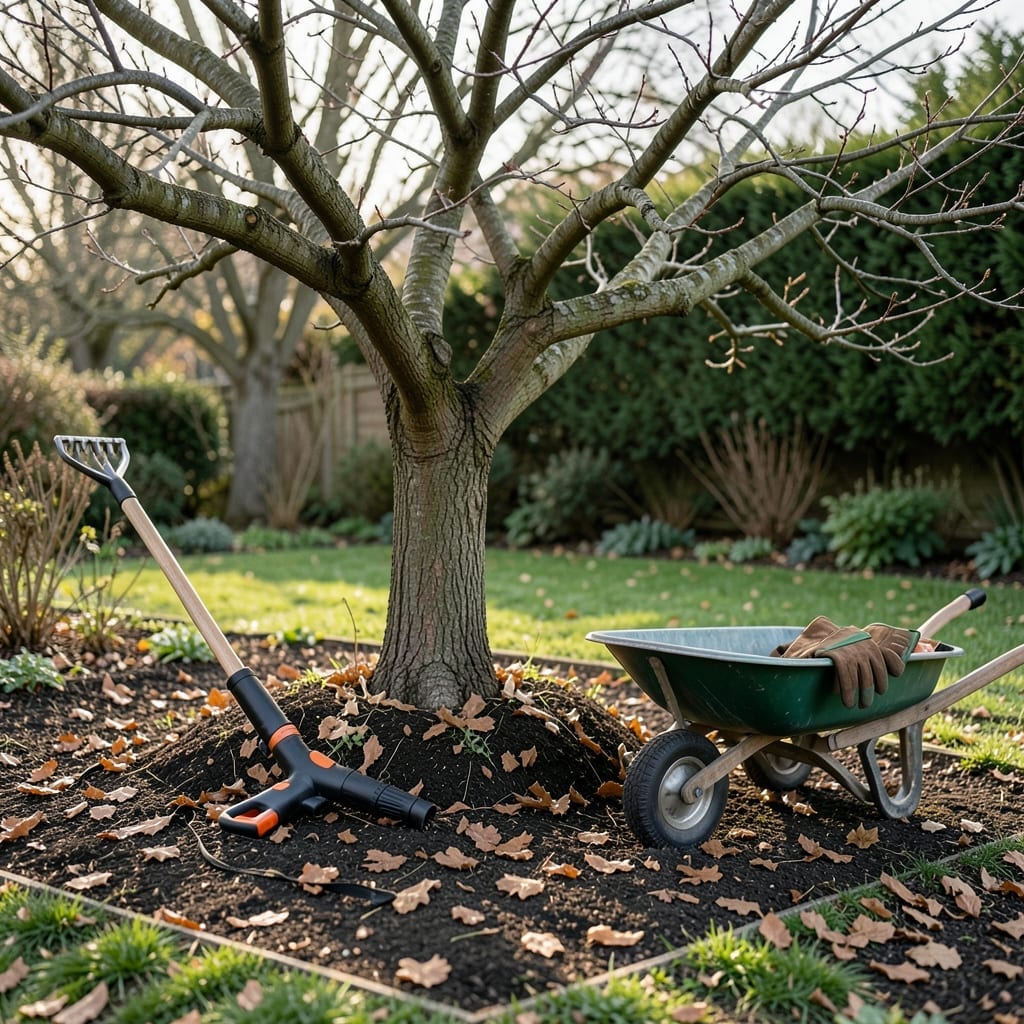
Wait until daytime temperatures consistently reach 50°F or higher in spring. Early cleanup can remove beneficial leaf litter that protects soil and emerging plants from late frosts.
I’ve learned that leaf litter acts like nature’s blanket, shielding soil from temperature swings and preserving moisture. Removing it too soon can expose young plants to harmful frost damage. 🌟
Plus, those leaves often harbor overwintering insects and microbes that contribute to a thriving ecosystem. Patience here pays off with healthier gardens.
💡 In This Article
Leaf litter acts as natural insulation, trapping heat and maintaining soil temperatures 10-15°F warmer than bare ground. This thermal buffer protects root systems and soil microbes from the freeze-thaw cycles that commonly occur in early spring. The organic layer also retains moisture by reducing evaporation, which is critical for seed germination and plant establishment. 🔥
Premature removal disrupts beneficial insect life cycles. Overwintering pollinators like mason bees and butterfly larvae rely on leaf litter for protection until temperatures stabilize. Studies show that gardens with intact leaf layers see 30% higher beneficial insect populations compared to those cleaned too early. These insects play vital roles in pollination and pest control. ✨
Soil structure benefits from gradual decomposition too. As leaves break down, they release nutrients and create pore spaces that improve water infiltration and root penetration. Removing this natural mulch too soon exposes soil to compaction from spring rains and foot traffic, reducing its ability to support plant life. 🌟
The moisture retention aspect is particularly crucial. In regions where spring brings unpredictable weather, leaf litter maintains soil humidity at 60-70%—ideal for most plants. Without this protection, soil can dry out too quickly during warm spells, stressing emerging vegetation. This natural system has evolved over millennia to support ecosystem health.
Late frosts remain a real threat in many areas well into spring. The insulating properties of leaf litter can mean the difference between survival and damage for tender new growth. I’ve seen gardens where premature cleanup led to 50% loss of early bloomers during unexpected cold snaps. Patience truly is the gardener’s greatest tool. ⚡
Begin when daytime temps consistently hit 50°F or above. This ensures soil and plants are past frost risk. Early cleanup can expose tender growth to damaging cold snaps.
They protect overwintering insects and maintain soil moisture at 60-70%. Removing too soon disrupts beneficial ecosystems and can stress emerging plants.
Prioritize lawns, pathways, and driveways where leaves cause problems. Wet leaves on pavement create slipping hazards. Garden beds can wait until temperatures stabilize.
Yes! Shred them first and mix with green materials like grass clippings in a 3:1 ratio. Avoid composting diseased leaves to prevent spreading pathogens.