
Beautiful Plants For Your Interior
Beautiful Plants For Your Interior
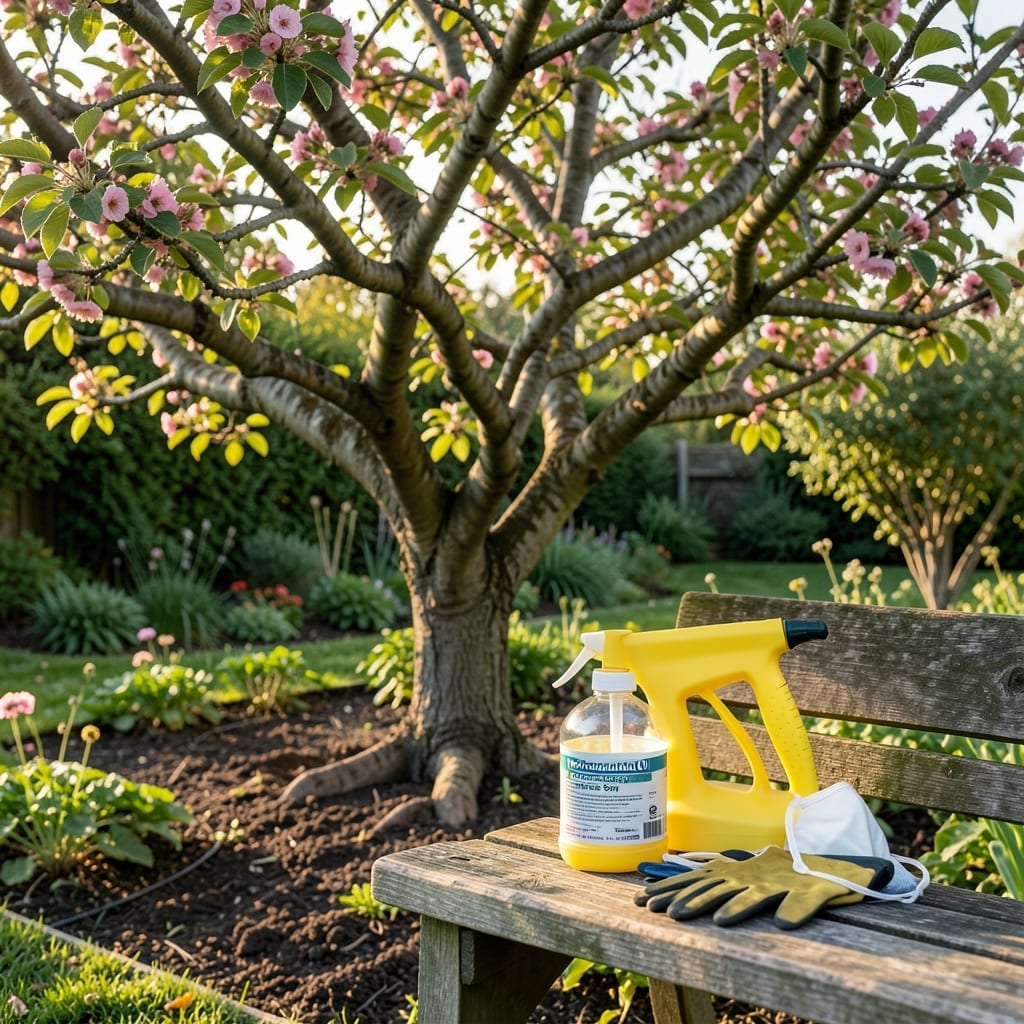
Spraying your 🌳 Fruit Tree at the right time can mean the difference between a bountiful harvest and a season lost to pests and diseases.
Timing is everything when it comes to protecting your orchard. Miss the window, and you might as well hand over your crop to nature’s worst offenders.
Let me walk you through the optimal schedule that keeps your trees thriving from dormant season to harvest.
Timing your fruit tree sprays correctly is crucial for preventing pests and diseases. Each season targets different threats, from dormant-stage pests to harvest-time protection. I’ll break it down for you.
In late winter, before buds swell, apply dormant oil to smother overwintering pests like mites and scale. This is your first line of defense.
| Stage | Timing | Spray Type | Target |
|---|---|---|---|
| Dormant | Late Winter | Horticultural Oil | Scale, Mites |
| Bud Break | Early Spring | Fungicide | Apple Scab |
| Bloom | Spring | Avoid Spraying | Pollinators |
| Post-Bloom | Late Spring | Insecticide | Aphids, Caterpillars |
| Summer | As Needed | Fungicide | Powdery Mildew |
| Post-Harvest | Fall | Horticultural Oil | Overwintering Pests |
After bud break in early spring, switch to a fungicide to combat diseases like apple scab or peach leaf curl. This prevents spores from taking hold.
During bloom, I never spray—it harms pollinators like bees. Let nature do its work here. Instead, focus on pre-bloom or post-bloom applications.
Post-bloom is perfect for insecticides targeting aphids, caterpillars, and other pests that emerge as fruit sets. Use a low-toxicity option for safety.
In summer, watch for powdery mildew and apply fungicides as needed, especially after rain. Keep an eye on leaves for early signs.
Finally, in fall, after harvest, apply another round of horticultural oil to control pests preparing to overwinter. This sets you up for a cleaner start next year.
Always check the weather forecast before spraying. Rain within 24 hours can wash away your efforts. Windy days? Postpone to avoid drift.
For organic gardens, neem oil or sulfur-based sprays work well. Just follow label instructions for mixing ratios and application frequency.
Remember, consistency is key. A single spray won’t cut it—seasonal timing and multiple applications ensure your fruit trees stay healthy and productive. 🌳
Choosing the right spray for your fruit trees depends on the growth stage and the threats you’re facing. I always match my approach to the season and the specific pests or diseases present.
For dormant trees in late winter, horticultural oil is my go-to for suffocating overwintering pests like scale insects and mite eggs. It’s safe and effective when trees aren’t actively growing.
Pro Tip:
Use dormant oil before buds swell to maximize effectiveness against pests without harming new growth.
At bud break, I switch to a fungicide like copper spray or sulfur to prevent apple scab and peach leaf curl. These diseases thrive in wet conditions, so early intervention is critical.
Once bloom begins, I pause spraying to protect pollinators. Instead, I focus on post-bloom applications of insecticidal soap or neem oil to tackle aphids and caterpillars as fruit sets.
In summer, I monitor for powdery mildew and apply fungicides like baking soda solution or potassium bicarbonate after rain. These are gentle yet effective for organic gardens.
For organic growers, neem oil and kaolin clay are versatile options. They address both pests and diseases while being eco-friendly. Always follow label instructions for mixing ratios and application timing. 🌿