
Beautiful Plants For Your Interior
Beautiful Plants For Your Interior
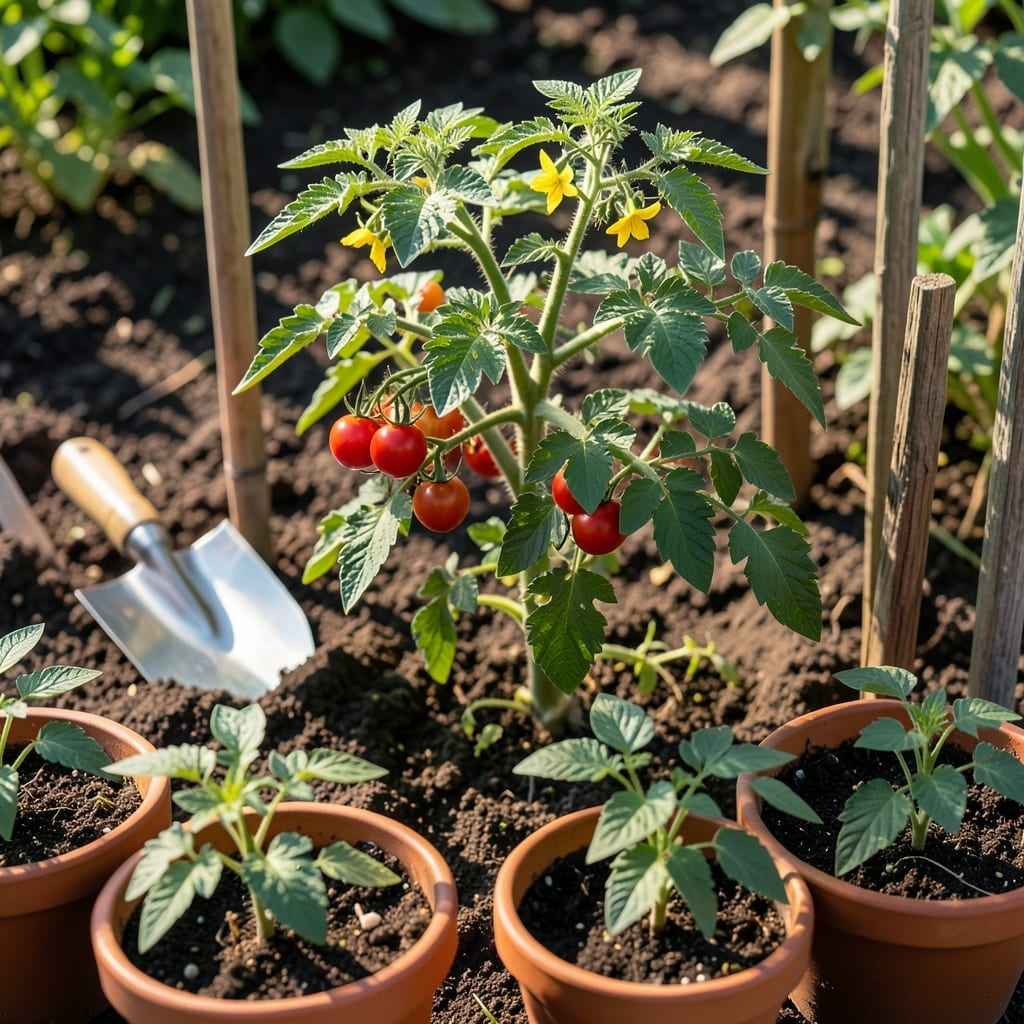
Timing is everything when planting Tomato 🍅 in Texas—plant too early and frost may kill your seedlings, too late and the summer heat can scorch them.
Getting it right means a bountiful harvest of juicy, homegrown tomatoes all season long. The Lone Star State’s diverse climate demands precision.
From the Gulf Coast to the Panhandle, each region has its most important windows. I’ll show you exactly when to start for thriving plants.
Discover the zone-specific timing that turns good intentions into a garden full of vibrant, flavorful Tomato crops.
Texas spans USDA zones 6-10, meaning tomato planting times vary significantly. In North Texas (zones 6-7), I wait until mid-April after the last frost to avoid cold snaps killing tender seedlings.
For Central Texas (zone 8), I start early March to mid-April. The Gulf Coast (zone 9) allows planting as early as February, while South Texas (zone 10) can begin in late January.
| Zone | Spring Planting | Fall Planting |
| 6-7 | Mid-April to May | Late July to August |
| 8 | Early March to April | Mid-July to August |
| 9 | February to March | Late August to September |
| 10 | Late January to February | September to October |
I always check the soil temperature—it should be at least 60°F at a 4-inch depth. Using a soil thermometer takes the guesswork out of timing.
For a fall crop, I count backward from the first expected frost. Most tomato varieties need 75-90 days to mature, so I plant 10-12 weeks before the first frost date.
In hot regions like West Texas, I avoid planting during peak summer. The extreme heat can cause blossom drop and poor fruit set. Instead, I focus on heat-tolerant varieties.
I’ve found that cherry tomatoes and heat-set varieties like ‘Solar Fire’ or ‘Heatmaster’ perform best in Texas summers. These can handle temperatures up to 95°F without failing.
For container gardening, I start seeds indoors 6-8 weeks before transplanting. This gives me a head start, especially in cooler zones where the growing season is shorter.
I also pay attention to microclimates. Urban areas with heat islands may allow earlier planting, while rural spots might stay cooler longer. Observing local patterns helps fine-tune my schedule.
Finally, I always harden off seedlings before transplanting. This means gradually exposing them to outdoor conditions over 7-10 days to prevent shock. It’s a crucial step for strong, healthy plants 🌱
Timing your tomato planting in Texas isn’t just about the calendar. I’ve learned that local climate and soil temperature play huge roles in success. Even within Texas, microclimates can vary dramatically from urban to rural areas.☀️
For me, the ideal soil temperature is at least 60°F for seeds to germinate properly. Cooler soils slow growth and increase disease risk. I always check with a soil thermometer before planting.🌡️
The tomato variety you choose makes a big difference in Texas. I prefer heat-tolerant types like Celebrity or Heatmaster for our brutal summers. These handle 90°F+ temperatures better than heirloom varieties.🌱
Urban areas often run 5-10°F warmer than rural spots due to the heat island effect. This means I can sometimes plant 1-2 weeks earlier in cities like Dallas or Houston. Always adjust for your specific location.
Don’t overlook soil preparation. I amend my beds with compost and check pH levels (6.0-6.8 is ideal for tomatoes). This gives seedlings the best start possible in our often clay-heavy Texas soils.🪴
Finally, watch the extended forecast. I’ve lost plants to late frosts in North Texas and early heatwaves in South Texas. Flexibility is key—be ready to protect plants or delay planting if conditions aren’t right.