
Beautiful Plants For Your Interior
Beautiful Plants For Your Interior
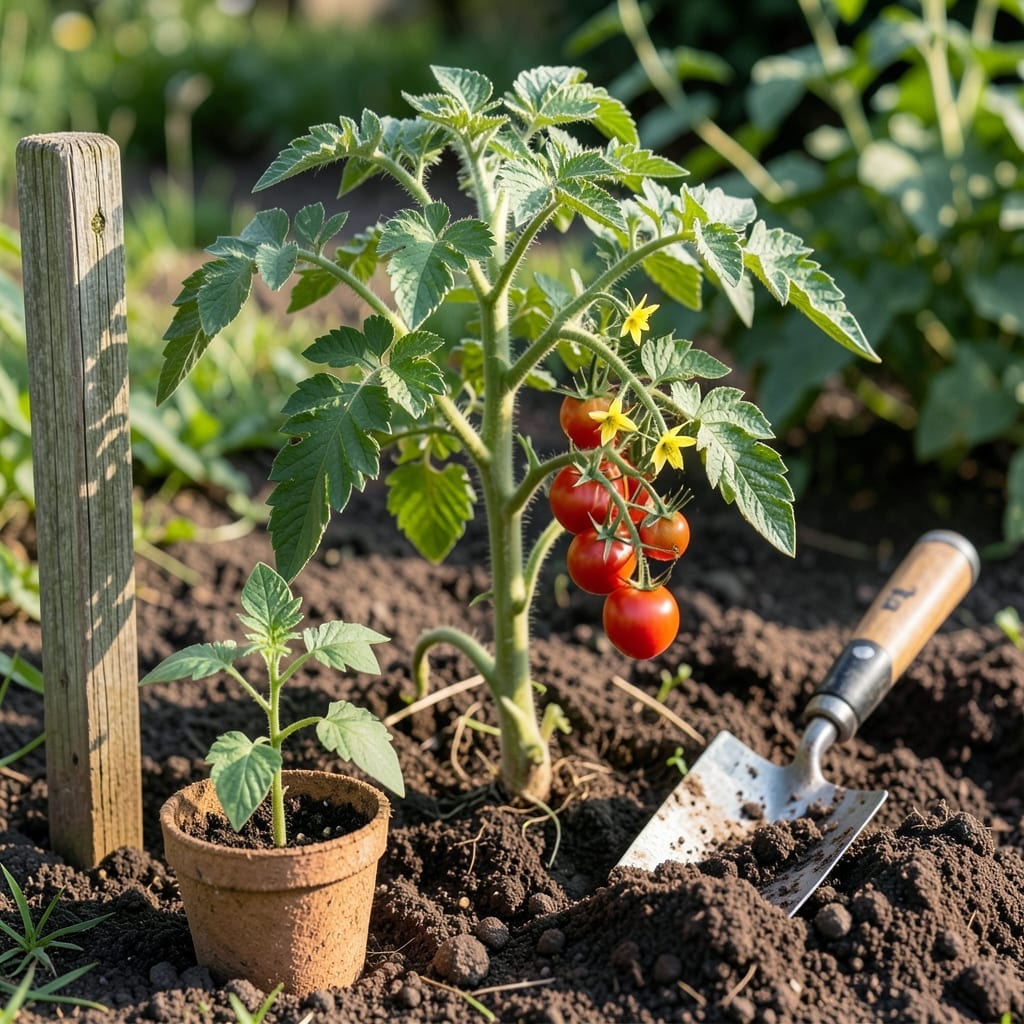
Timing is everything when planting Tomato in Pennsylvania, where unpredictable springs and early frosts can make or break your harvest. The difference between a bumper crop and a disappointing season often comes down to just a few weeks.
I’ve learned through trial and error that Pennsylvania’s 6a-7b zones demand precise timing. Plant too early, and a late frost will wipe out your seedlings. Wait too long, and you’ll miss the peak growing window.
What if you could confidently know the exact moment to get your 🍅 plants in the ground? I’ll walk you through the seasonal cues and zone-specific dates that take the guesswork out of planting.
Discover how to align your planting schedule with Pennsylvania’s unique climate patterns. The right timing means healthier plants and a more abundant harvest.
Pennsylvania spans USDA zones 5-7, meaning your tomato planting window varies by location. In zone 5, the last frost typically hits around April 15-30, while zone 7 gardeners can plant as early as April 1-15. The golden rule: soil temperature must stay above 60°F for tomatoes to thrive.
I always check my local frost dates and use a soil thermometer. Even in warmer zones, a late cold snap can devastate young plants. Microclimates matter too—urban areas may warm faster than rural spots 🌱
| Zone | Last Frost Date | Planting Window | Soil Temp |
|---|---|---|---|
| 5 | April 15-30 | May 1-15 | 60°F+ |
| 6a | April 1-15 | April 20-May 1 | 60°F+ |
| 6b | April 1-15 | April 15-25 | 60°F+ |
| 7a | April 1-10 | April 10-20 | 60°F+ |
| 7b | March 25-April 5 | April 5-15 | 60°F+ |
In southwestern PA (zone 6b-7a), I start seeds indoors 6-8 weeks before the last frost. This gives me sturdy transplants ready for mid-April planting. In northeastern PA (zone 5-6a), I wait until early May to avoid frost damage.
For fall planting, count backward from your first frost date. Most tomato varieties need 70-90 days to mature. In zone 7, you can plant a second crop in late July for a fall harvest. In cooler zones, stick to early-maturing varieties like ‘Early Girl’ or ‘Stupice’.
Urban gardeners in Philadelphia or Pittsburgh can often plant 1-2 weeks earlier due to the heat island effect. Containers on a sunny patio or driveway absorb heat, warming the soil faster. Just watch for temperature swings that can stress young plants.
I’ve found that using black plastic mulch helps warm the soil in early spring. Lay it down 2-3 weeks before planting to give your tomatoes a head start. This trick can buy you an extra 2 weeks of growing time in cooler zones.
Always harden off your seedlings before transplanting. I gradually expose mine to outdoor conditions over 7-10 days. Start with a few hours of shade, then slowly increase sun and wind exposure. This prevents transplant shock and sets your plants up for success.
For the best results, test your soil before planting. Tomatoes prefer a pH of 6.0-6.8. If your soil is too acidic, add lime a few weeks before planting. A simple soil test kit from your local extension office can save you a lot of guesswork 🌿
Finally, keep an eye on the 10-day forecast. If nighttime temperatures are expected to dip below 50°F, hold off on planting. Cold soil stunts growth and can lead to poor yields, even if the plants survive.
Pennsylvania gardeners face a unique choice: spring planting for summer harvests or fall planting for late-season bounty. Each approach has distinct advantages depending on your hardiness zone and tomato variety.
Spring planting typically begins after the last frost date, usually mid-May in most PA zones. This gives 70-90 day varieties time to mature during the warmest months.
| Aspect | Spring Planting | Fall Planting |
|---|---|---|
| Best For | 70-90 day varieties | Early maturing types |
| Planting Time | After last frost | 6-8 weeks before first frost |
| Yield Potential | Higher, full season | Moderate, shorter window |
| Frost Risk | Early season | Late season |
| Soil Temp | 60°F+ minimum | 60°F+ minimum |
Fall planting works well for early-maturing varieties like ‘Early Girl’ or ‘Stupice’. Start seeds indoors in June or set out transplants in July for an October harvest before the first frost.
I’ve found that spring-planted tomatoes generally produce more fruit, but fall planting can extend your harvest season by several weeks. The key is choosing fast-growing varieties that can mature before temperatures drop.
For both seasons, soil temperature is crucial. Use a soil thermometer to confirm it’s at least 60°F before planting. In cooler areas, black plastic mulch can help warm the soil faster.
Frost protection is essential for both seasons. In spring, be ready with row covers. In fall, have cold frames or cloches prepared to extend the growing season.
☀️