
Beautiful Plants For Your Interior
Beautiful Plants For Your Interior
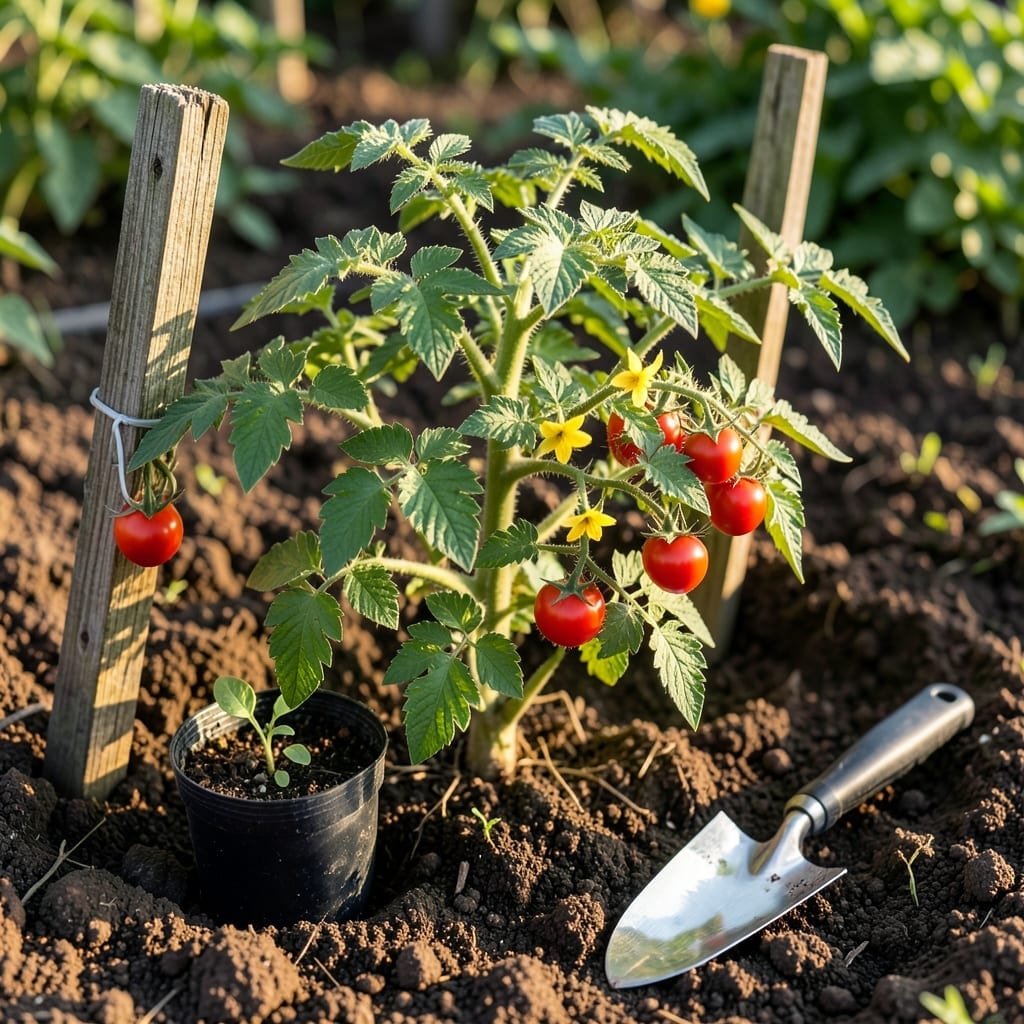
Timing your Tomato planting in Oklahoma can mean the difference between a bountiful harvest and a disappointing season. With its unique climate of hot summers and unpredictable springs, knowing the exact window is crucial.
I’ve seen too many gardeners jump the gun in March, only to lose their 🍅 seedlings to a late frost. The key is waiting until the soil warms and the danger of frost has passed.
For Oklahoma’s zones 6b-7a, that sweet spot typically arrives in April or May. But there’s more to it than just dates – soil prep and variety selection play huge roles too.
Discover how to nail your planting timing and set your Tomato plants up for success from the very beginning. Your summer harvest depends on it.
Oklahoma’s diverse climate means planting dates vary across the state. In the eastern regions, with milder springs, you can start as early as mid-April. The western areas, being drier and warmer, often allow planting by early April. ☀️
For the best results, always wait until soil temperatures reach at least 60°F. This ensures your tomato seedlings won’t be shocked by cold. Urban areas like Oklahoma City and Tulsa often warm up faster than rural spots. 🌱
| Region | Planting Window | Soil Temp Requirement |
|---|---|---|
| Eastern Oklahoma | Mid-April to Early May | 60°F+ |
| Western Oklahoma | Early April to Mid-May | 60°F+ |
| Central Oklahoma | Mid-April to Early May | 60°F+ |
| Urban Areas | Early to Mid-April | 60°F+ |
If you’re eager to get a head start, consider starting seeds indoors about 6-8 weeks before your last frost date. This is typically around mid-February for most of the state. Use grow lights to ensure strong, stocky seedlings ready for transplanting. 🌿
For early varieties like Stupice or Siberian, you can plant a bit sooner as they tolerate cooler temps. Late-season varieties, such as Brandywine or Beefsteak, do best when planted in late April to avoid early heat stress. ✂️
Watch the 10-day forecast closely. A sudden late frost can devastate young plants. If cold temps are predicted after planting, protect seedlings with frost cloths or plastic cloches. This extra care can save your crop. 🌡️
Soil preparation is key before planting. Work in plenty of compost or aged manure to improve fertility and drainage. Oklahoma’s clay-heavy soil can be tough on roots, so amending it helps plants establish faster. 💧
Remember, microclimates matter. A south-facing garden or a spot near a heat-absorbing wall can warm up faster. If your garden stays cooler, wait an extra week or two to plant. This small adjustment can make a big difference. ☀️
Finally, water consistently after planting to help roots settle in. Avoid overwatering, though, as soggy soil can lead to disease. Aim for 1-2 inches of water per week, adjusting for rain. Your tomatoes will thank you with a strong start. 🌱
Oklahoma’s clay-heavy soil can be tough on tomatoes, but with the right prep, you’ll set your plants up for success. I always start by testing soil pH—tomatoes thrive in a 6.0-6.8 range. If it’s off, amendments like lime or sulfur can help balance it.
Next, I focus on improving drainage and adding organic matter. Mixing in compost or aged manure loosens the clay and boosts fertility. This step is non-negotiable for healthy root development in our state’s dense soil.
I also recommend pre-planting fertilization. A balanced 10-10-10 fertilizer worked into the top 6 inches of soil gives tomatoes a strong start. Avoid overdoing it—too much nitrogen leads to leafy growth with fewer fruits.
Don’t overlook soil temperature. Tomatoes need soil at least 60°F to grow well. In Oklahoma, this usually means waiting until mid-April for most regions. A soil thermometer takes the guesswork out of timing.
If your soil is particularly compacted, consider planting in raised beds. They warm up faster in spring and offer better drainage. I’ve seen raised beds extend the growing season by weeks in our unpredictable climate.
Finally, mulch heavily after planting to retain moisture and suppress weeds. Straw or shredded leaves work well. This simple step saves hours of weeding and keeps roots cool during our hot summers
☀️