
Beautiful Plants For Your Interior
Beautiful Plants For Your Interior
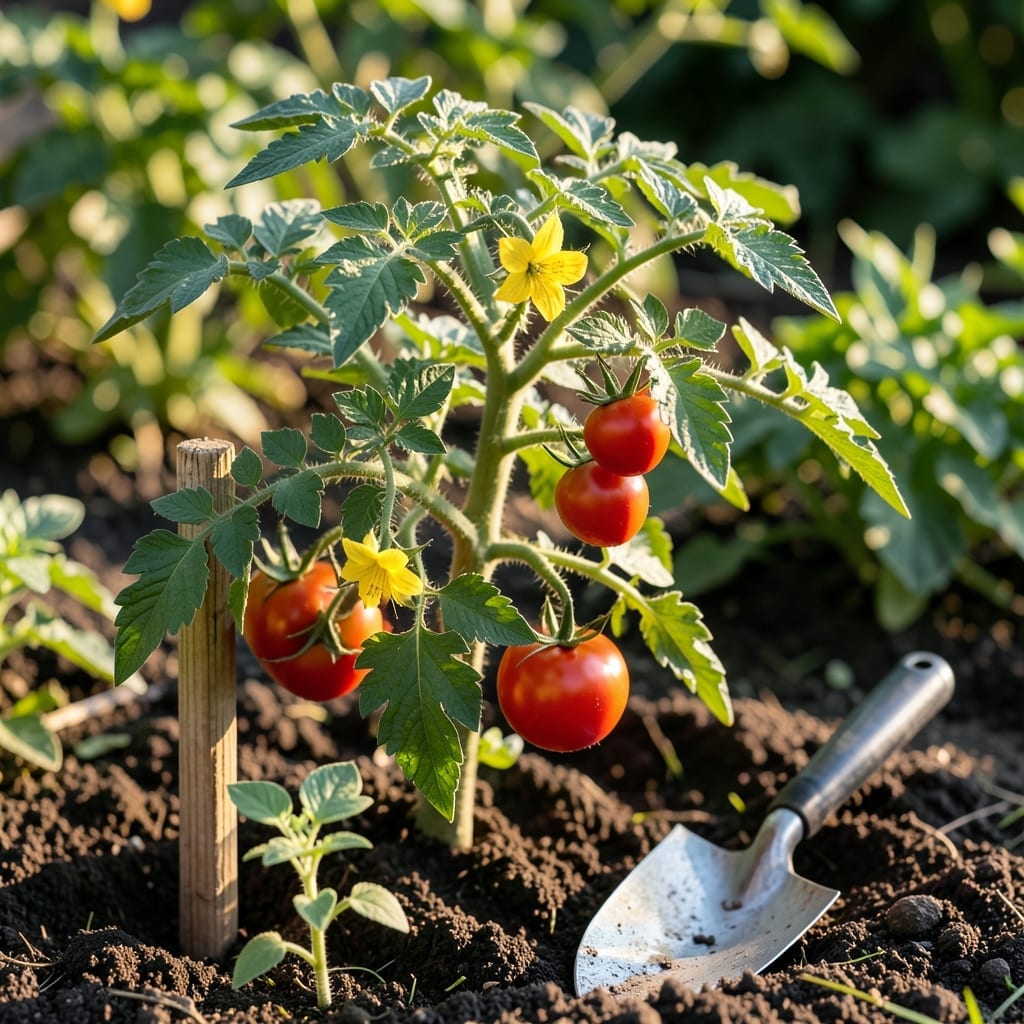
Timing is everything when planting Tomato in Ohio—plant too early and frost will kill your seedlings, too late and you’ll miss the peak growing season. This guide helps you hit the sweet spot.
I’ve seen too many gardeners lose their Tomato crop to a late spring cold snap. The difference between success and disappointment often comes down to just a few weeks.
In Ohio’s Zone 6a, the window is tight but predictable. You’ll want to watch both the calendar and the soil temperature to get it right.
Discover the exact timing that gives your plants the best chance to thrive, from starting seeds indoors to transplanting outside when conditions are perfect.
Ohio spans USDA Zones 5-6, meaning your last frost date typically falls between April 15-May 15. This variation impacts when you can safely plant tomatoes outdoors.
I always recommend checking your local frost dates since northern Ohio (Zone 5) tends to have a later last frost than southern regions (Zone 6).
| Zone | Last Frost Date | Plant Tomatoes | Soil Temp |
|---|---|---|---|
| Zone 5 | April 15-30 | May 1-15 | 60°F+ |
| Zone 6 | April 1-15 | April 15-30 | 60°F+ |
For early varieties, you can push the envelope by 1-2 weeks if you’re prepared to cover plants during cold snaps. I’ve had success with cherry tomatoes planted slightly earlier.
Indeterminate tomatoes need the full season, so in Zone 5, I’d advise sticking to the May 1-15 window to avoid frost damage to your main crop.
The soil temperature is just as crucial as air temperature. I use a soil thermometer to confirm we’ve hit that 60°F threshold at 4-inch depth.
In southern Ohio, gardeners can often start transplanting seedlings in mid-April, while northern gardeners should wait until early May for safety.
Remember that container-grown tomatoes can go out a bit earlier since you can move them indoors if frost threatens. I’ve saved many plants this way.
For heirloom varieties, which are often more sensitive, I’d recommend waiting until the second week of May in most Ohio locations to be absolutely safe.
Always have frost protection ready, like row covers or wall-o-water devices, even if you’re planting within the recommended window. Ohio weather can be unpredictable.
By following these zone-specific guidelines and watching your local weather, you’ll give your tomatoes the best start possible in Ohio’s climate. ☀️
In Ohio, late frosts can surprise even experienced gardeners. I’ve lost tomato seedlings to sudden cold snaps in May, so protection is key.
Use row covers or frost blankets to shield young plants when temps drop below 40°F. These lightweight fabrics trap heat while allowing light and water through.
Another trick is to plant tomatoes in black plastic mulch. This warms the soil faster and helps maintain consistent temperatures.
For container gardening, move pots to a sheltered porch or garage when frost is forecast. Just
I always keep a thermometer near my garden. If the forecast dips near 35°F, I cover my plants before sunset to trap daytime heat.
With these precautions, your tomato plants will survive Ohio’s unpredictable spring weather and thrive through the growing season. ☀️