
Beautiful Plants For Your Interior
Beautiful Plants For Your Interior
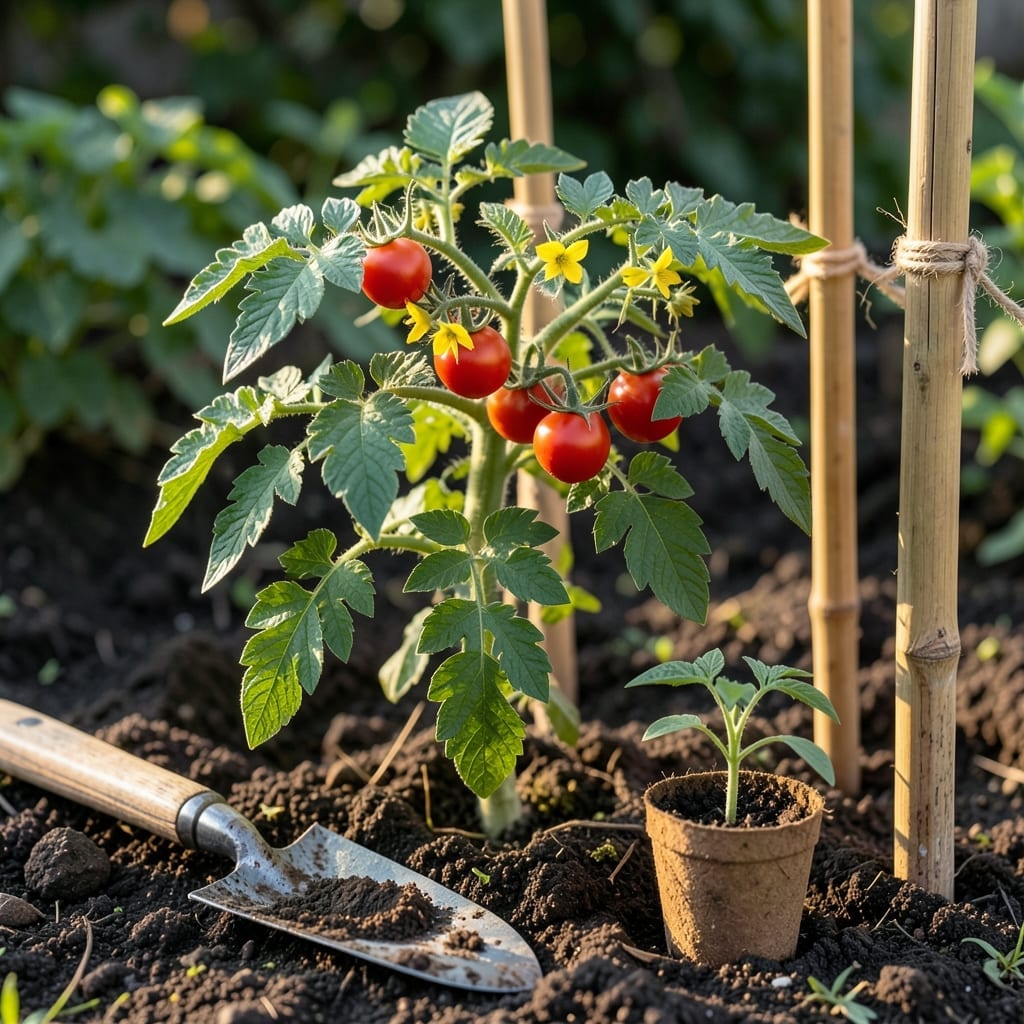
Timing is everything when it comes to planting Tomato in Indiana—plant too early, and frost can wipe out your crop; plant too late, and you’ll miss the peak growing season.
Knowing the right window ensures juicy, ripe 🍅 all summer long. As a gardener in zones 5b-6a, you’ve got a sweet spot to hit.
I’ve learned the hard way that rushing this process rarely pays off. The soil needs to be warm enough, and the last frost date must be behind you.
Let me show you exactly when to get those seedlings in the ground for the best results. The difference it makes is extraordinary.
Indiana spans USDA zones 5b-6a, which means frost dates vary slightly. In zone 5b, the last frost typically hits around April 20, while zone 6a sees it near April 10. These dates are your green light for planting.
Tomatoes are warm-season crops that demand soil temps of at least 60°F. Planting before this risks stunted growth or frost damage. I always wait until mid-to-late May for safety in most areas.
| Zone | Last Frost Date | Planting Window | Soil Temp |
|---|---|---|---|
| 5b | April 20 | May 1-15 | 60°F+ |
| 6a | April 10 | April 25-May 10 | 60°F+ |
For northern Indiana (closer to zone 5b), I’d push planting to early May. In central Indiana, late April often works if soil is warm. Always check with a soil thermometer to be sure.
If you’re eager to start earlier, consider transplants instead of seeds. They handle slight temperature swings better. Just ensure they’re hardened off for 7-10 days before moving outdoors.
Determinate varieties like ‘Roma’ or ‘Celebrity’ do well in Indiana’s climate. For indeterminate types, such as ‘Beefsteak’, provide sturdy supports—they’ll grow tall and heavy with fruit.
Watch the 10-day forecast before planting. A late frost can sneak in, even in May. I keep frost cloths handy just in case. One unexpected cold snap taught me that lesson the hard way.
Microclimates matter too. Urban areas and south-facing slopes warm up faster. If your garden is in a low-lying spot, frost lingers longer—adjust your timing accordingly.
Container gardening? You can start a bit earlier since pots warm up faster. Just move them indoors if temperatures dip below 50°F at night. I’ve had success with this method for early harvests.
Remember, consistency in soil moisture and temperature is key. Mulch with straw or black plastic to retain heat and moisture. This small step can make a big difference in your tomato yield.
☀️Getting your soil ready is the first step to a thriving tomato crop. I start by testing my soil’s pH level—tomatoes prefer 6.0-6.8. If it’s too acidic, I add lime to balance it out.
Warming the soil is crucial. I use black plastic mulch or cloches to trap heat. This helps reach that 60°F minimum faster, especially in cooler areas of Indiana.
For seedling preparation, hardening off is non-negotiable. I gradually expose my seedlings to outdoor conditions, starting with 1-2 hours a day and increasing over a week.
Transplants should be stocky with 5-6 true leaves. I plant them deeper than their pots, burying 2/3 of the stem to encourage strong roots. This trick has saved my plants during unexpected cold snaps.
Don’t forget stakes or cages at planting time. Installing them early prevents root damage later. I use bamboo stakes for determinate varieties and tall cages for indeterminate ones.
Finally, water deeply after planting and keep the soil consistently moist for the first week. This helps roots establish quickly. I’ve found this approach cuts transplant shock significantly.
🌱