
Beautiful Plants For Your Interior
Beautiful Plants For Your Interior
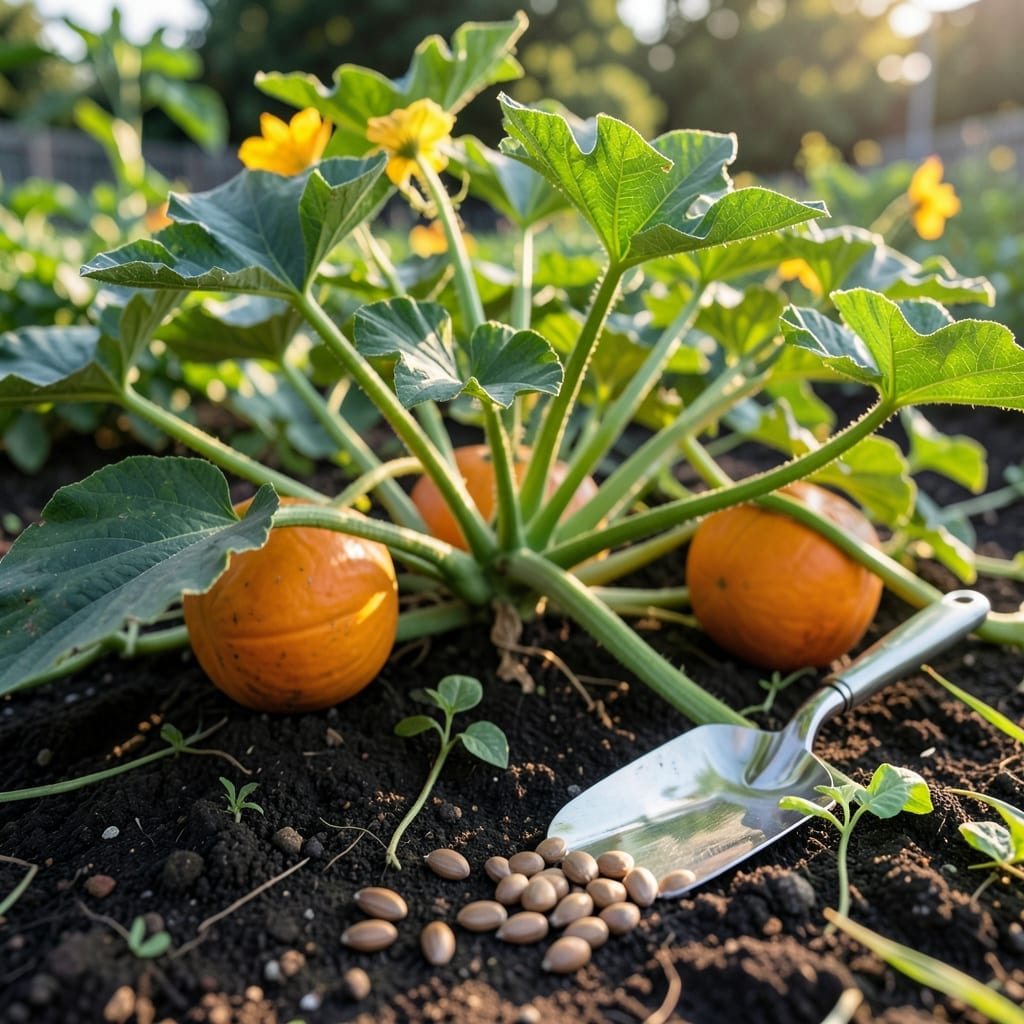
Missouri’s varied climate means pumpkin planting timing isn’t one-size-fits-all. If you’ve ever struggled with weak vines or small harvests, timing might be your issue.
In Zone 6a, the sweet spot for planting is late May to early June. This gives your 🎃 Pumpkin the warm soil it craves while avoiding late frosts.
I’ll walk you through how to nail the timing for your specific area. Whether you’re in St. Louis or Kansas City, these tips will help you grow bigger, healthier pumpkins.
Discover the exact windows and pro tricks to maximize your yield this season. Let’s get started.
Timing is everything when growing pumpkins in Missouri. The state spans USDA zones 5b to 7a, each with unique frost dates and soil conditions. Planting too early risks frost damage, while late planting may stunt growth before harvest.
I always check soil temperature—pumpkins need 70°F or warmer to germinate properly. Missouri’s last frost dates range from April 15 in Zone 6 to May 10 in Zone 5b, so timing varies significantly.
| Zone | Last Frost Date | Planting Window | Harvest Window |
|---|---|---|---|
| 5b | May 10 | Late May to early June | Late September to October |
| 6a | April 25 | Mid-April to early May | Early September to October |
| 6b | April 20 | Early to mid-April | Late August to October |
| 7a | April 15 | Early April | Late August to early October |
In Zone 5b (northern Missouri), I wait until late May to avoid late frosts. The growing season is shorter here, so fast-maturing varieties like ‘Small Sugar’ work best. These pumpkins reach maturity in 90-100 days, fitting neatly before first frost.
For Zone 6a and 6b (central Missouri), mid-April to early May is ideal. The longer growing season allows for larger varieties like ‘Howden’ or ‘Jack-O’-Lantern’. I’ve found these thrive with consistent moisture and full sun exposure.
In Zone 7a (southern Missouri), early April planting is safe. The warmer climate supports longer maturation, so I often experiment with giant pumpkins like ‘Atlantic Giant’. These need 120-130 days to reach full size.
Regardless of zone, I always pre-warm the soil with black plastic mulch or raised beds. This boosts germination rates and gives seedlings a head start. A soil thermometer is my go-to tool for precision.
Remember, pumpkins are frost-sensitive. Even in warmer zones, a late spring cold snap can set back young plants. I use row covers for the first 2-3 weeks after planting to protect against unexpected chills.
For the best results, I space seeds about 1 inch deep and 4-6 feet apart. This gives vines room to spread and reduces disease risk from poor air circulation. Companion planting with corn or beans can also improve pollination.
Missouri’s clay-heavy soils can be challenging, so I amend with compost or aged manure before planting. This improves drainage and provides essential nutrients for robust growth. A pH test is wise—pumpkins prefer 6.0-6.8.
☀️Missouri’s clay-heavy soil can slow down pumpkin growth if not prepared properly. I always start by testing the soil pH—aim for 6.0-6.8 for optimal results. This small step makes a big difference in vine health and fruit production.
To warm the soil faster in early spring, I use black plastic mulch or set up raised beds. These methods help reach the 70°F soil temperature pumpkins need to germinate quickly and thrive.
| Requirement | Specification |
|---|---|
| Soil pH | 6.0-6.8 |
| Soil Temp | 70°F minimum |
| Improvement Method | Compost + mulch |
| Drainage | Raised beds help |
Adding organic compost improves both drainage and nutrient content. I mix in 2-3 inches of aged compost before planting. This gives your pumpkins the rich, loose soil they love for strong root development.
For Missouri’s unpredictable springs, I recommend covering seed rows with clear plastic for 2-3 weeks before planting. This warms the soil and speeds up germination once seeds are in the ground.
Don’t forget to space plants 4-6 feet apart in rows 8-10 feet apart. Pumpkins need room to sprawl, and good airflow prevents fungal diseases common in humid Missouri summers.
Finally, water deeply after planting and maintain consistent moisture. Pumpkins are 80-90% water, so even moisture is key for plump, healthy fruits. A drip irrigation system works best to avoid wetting the leaves.
With these soil prep steps, you’ll give your pumpkins the best start for a productive season in Missouri’s varied climate 🌱