
Beautiful Plants For Your Interior
Beautiful Plants For Your Interior
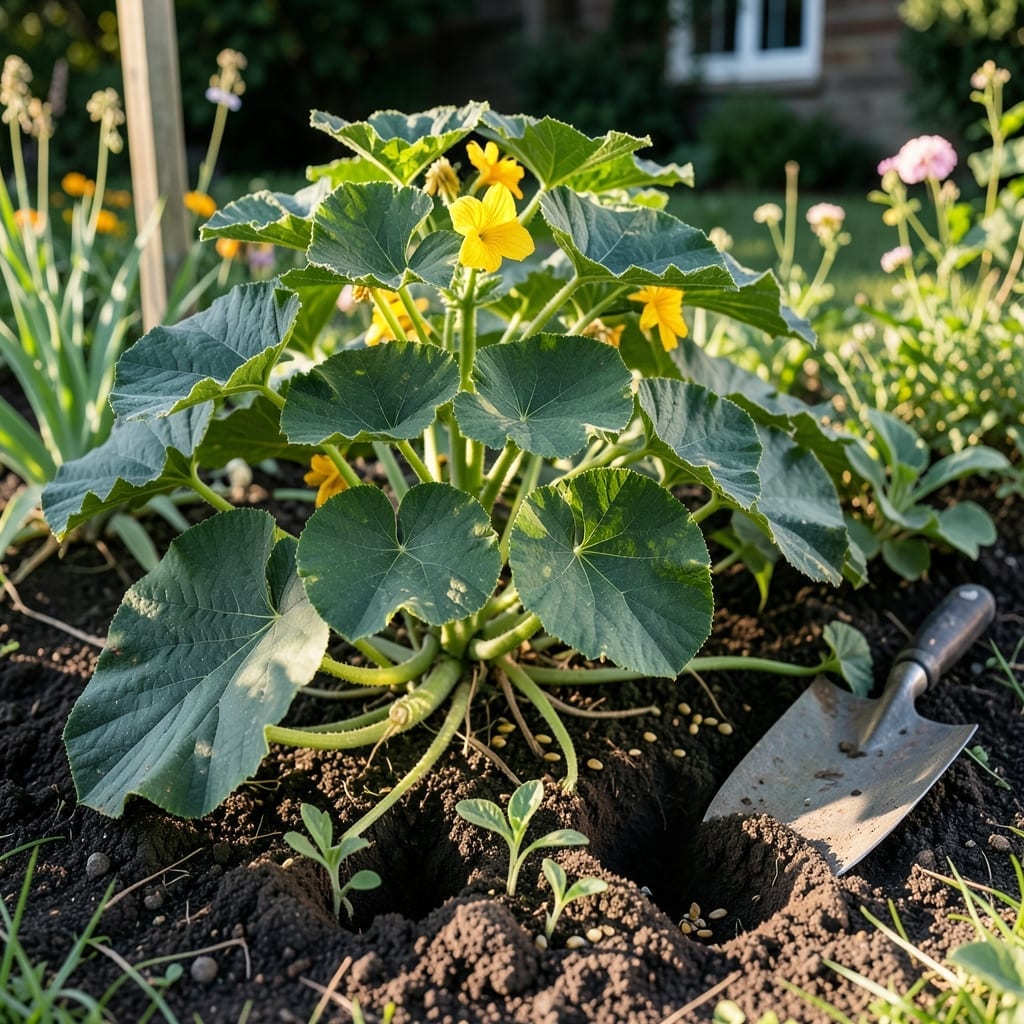
Timing is everything when it comes to growing 🎃 Pumpkin in Indiana. Plant too early, and frost can wipe out your crop; plant too late, and you’ll miss the perfect harvest window.
As a Hoosier gardener, you know our climate in zones 5b-6a can be unpredictable. The sweet spot for planting is when the soil warms up, typically between May and June.
I’ve learned through experience that waiting for that right moment makes all the difference. It’s not just about the calendar date, but also about soil temperature and moisture levels.
Let me walk you through how to pinpoint the ideal window for your Indiana garden. We’ll cover the key factors that ensure your pumpkins thrive from planting to harvest.
In Indiana, timing your pumpkin planting correctly is crucial for a successful harvest. Our state spans USDA zones 5b-6a, with the last frost typically around April 20 and first frost near October 15. This gives us about 180 frost-free days to work with.
Pumpkins need warm soil to germinate, ideally 70°F or warmer. Planting in cold soil can cause seeds to rot. I always wait until at least mid-May in northern Indiana, while southern gardeners can start early May.
| Factor | Northern Indiana | Southern Indiana |
|---|---|---|
| Planting Window | Mid-May to early June | Early May to mid-June |
| Soil Temp Needed | 70°F minimum | 70°F minimum |
| Last Frost Date | May 10-20 | April 20-30 |
| Harvest Window | Late September-October | Early September-October |
For early varieties like Small Sugar, you can plant closer to the last frost date. These typically mature in 90 days. But for giant pumpkins or late-season varieties, I recommend starting no later than early June to ensure proper maturation.
The soil temperature is your best indicator. I use a soil thermometer to check at 4-inch depth in the morning. If it’s consistently 65°F or above, you’re good to go. Remember that black plastic mulch can help warm the soil faster.
Indiana’s clay soils can be challenging for pumpkins. I improve drainage by amending with compost and creating raised mounds about 12 inches high. This also helps with root development and prevents waterlogging.
For northern Indiana gardeners, the shorter growing season means we need to be extra precise. I’ve found that starting seeds indoors 2-3 weeks before transplanting can help. But be careful – pumpkins don’t transplant well, so use peat pots to minimize root disturbance.
In southern Indiana, the longer season allows for more flexibility. However, our hot summers can stress plants. I recommend afternoon shade for young plants and consistent mulching to retain moisture.
No matter where you are in Indiana, always check your local frost dates. Microclimates can vary significantly, even within the same county. I keep a gardening journal to track my planting dates and results each year.
Remember that pumpkin varieties have different maturity times. Jack-O’-Lantern types typically need 100-120 days, while pie pumpkins may mature in 85-95 days. Always check the seed packet for specific requirements.
Finally,
Getting your soil ready is the first step to successful pumpkin growth in Indiana. I always start by testing my soil’s pH level, aiming for that sweet spot between 6.0 and 6.8. This ensures your pumpkins can absorb nutrients properly.
Indiana’s clay-heavy soil can be tricky, so I mix in plenty of organic compost to improve drainage. Remember, pumpkins need well-draining soil to prevent rot and promote healthy root development.
Site selection is just as important as soil prep. I look for a spot that gets full sun for at least 6-8 hours daily. Pumpkins are sun-worshippers, and they’ll reward you with robust growth when given ample light.
Don’t forget about spacing! Those vines can spread 10-20 feet, so I give each plant 4-6 feet of space. This prevents overcrowding and allows for good air circulation, which helps ward off diseases.
For Indiana’s sometimes wet springs, I create raised mounds about 12 inches high. This improves drainage and warms the soil faster, giving your pumpkins a head start.
Finally, I always water my pumpkin patch deeply but infrequently, about 1-2 inches per week. This encourages strong root development and prepares the soil for those thirsty pumpkin plants. ☀️