
Beautiful Plants For Your Interior
Beautiful Plants For Your Interior
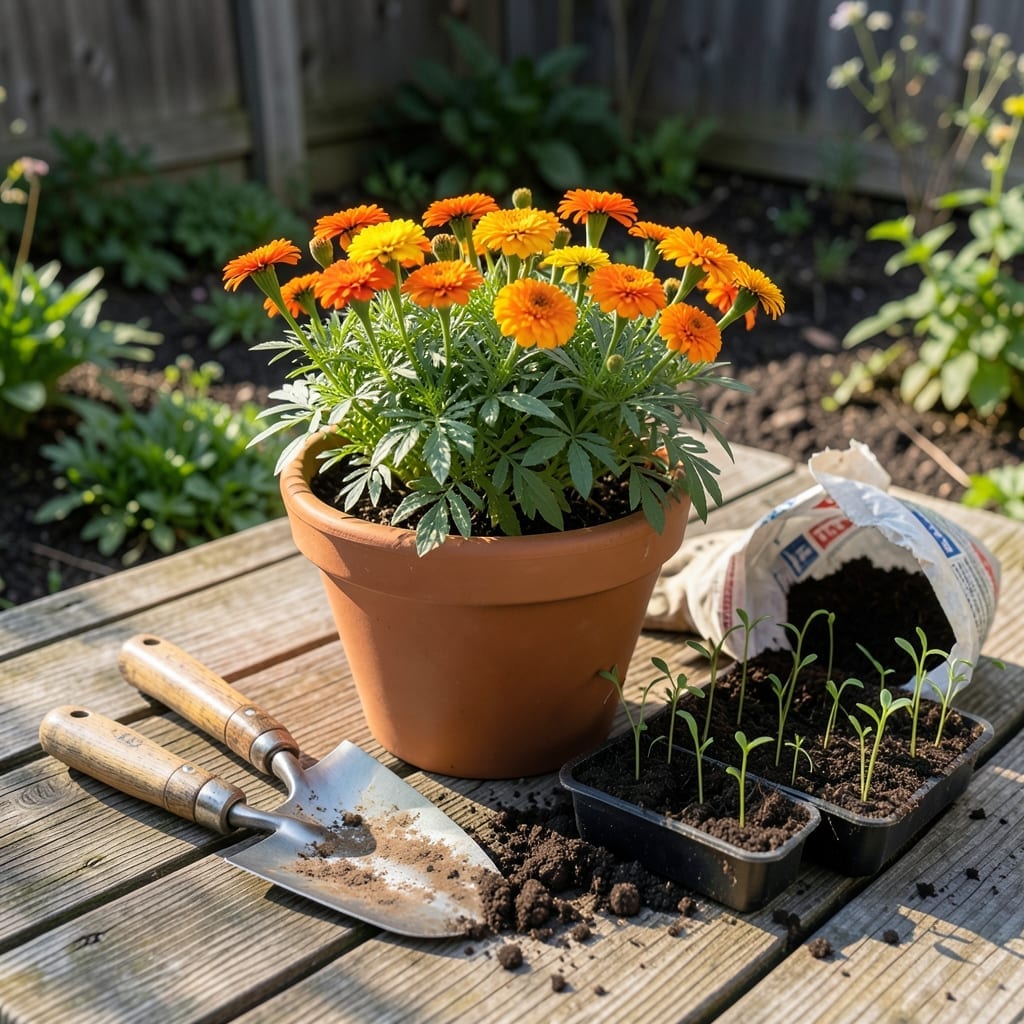
Timing is everything when planting Flowers in Ohio—plant too early, and frost can kill your blooms; too late, and you miss the growing season.
I’ve learned the hard way that Ohio’s 6a-6b zones demand precision. The difference between thriving gardens and disappointed gardeners often comes down to just a few weeks.
Whether you’re planting annuals, perennials, or bulbs, there’s a best window to ensure your 🌸 Flowers flourish. I’ll share the exact timing that works for our climate.
Discover how to align your planting schedule with Ohio’s seasons and avoid the most common mistakes that even experienced gardeners make.
Timing your flower planting in Ohio means working with USDA zones 5-6 and the state’s last frost date of around April 15. This date is your green light for most annual flowers and tender plants.
For perennials and hardy bulbs, you can often start earlier—sometimes as soon as March for cold-tolerant varieties. But always check the soil temperature before digging in. 🌱
| Flower Type | Best Planting Time | Key Notes |
|---|---|---|
| Annuals | After last frost (Mid-April) | Marigolds, Zinnias, Petunias |
| Perennials | Early spring or fall | Coneflowers, Daylilies, Hostas |
| Spring Bulbs | Fall (6 weeks before frost) | Tulips, Daffodils, Crocuses |
| Summer Bulbs | After last frost (Mid-April) | Dahlias, Gladiolus, Cannas |
I always recommend starting seeds indoors about 6-8 weeks before the last frost for annuals like tomatoes—wait, no, we’re talking flowers! For annual flowers, this indoor start gives them a head start for robust blooms.
For perennials, fall planting can be ideal because the cooler temperatures reduce stress on the plants. Just ensure you plant at least 4-6 weeks before the ground freezes so roots can establish. 🌿
Bulbs are a different story. Spring-blooming bulbs like tulips and daffodils need to be planted in fall—typically October in Ohio—so they can chill in the soil over winter.
Summer-blooming bulbs such as dahlias and gladiolus should go in after the last frost when the soil has warmed to at least 60°F. I use a soil thermometer to check this.
If you’re eager to get a jump on the season, consider cold-hardy annuals like pansies and snapdragons. These can often tolerate a light frost and can be planted 2-3 weeks before the last frost date. ☀️
Remember, Ohio’s climate can vary. Northern parts of the state may have a later last frost than southern regions. Always check your local frost dates for the most accurate timing.
Finally, soil preparation is key. Before planting, I always loosen the soil and mix in compost or organic matter to give my flowers the best start possible. This improves drainage and provides essential nutrients. 🪴
Ohio’s four distinct seasons offer unique opportunities for year-round color with the right flower choices. I’ve found that selecting season-specific varieties ensures continuous blooms from early spring to late fall. 🌱
Starting with spring, cold-hardy annuals like pansies and snapdragons can handle early season chills and even light frosts. These are perfect for adding early color to your garden.
For summer blooms, I rely on heat-tolerant varieties like zinnias, marigolds, and black-eyed Susans. These thrive in Ohio’s humid summers and keep blooming until first frost. ☀️
Fall planting is all about mums, asters, and sedum. These cool-season lovers provide stunning color as temperatures drop. I plant these in late summer to give them time to establish.
Don’t forget winter interest! While most flowers fade, ornamental kale and winter aconite can add color and texture to your garden even in the coldest months. 🌿
For year-round appeal, I mix perennials with annuals. This ensures that as one plant fades, another is ready to take its place, keeping my Ohio garden vibrant through every season.