
Beautiful Plants For Your Interior
Beautiful Plants For Your Interior
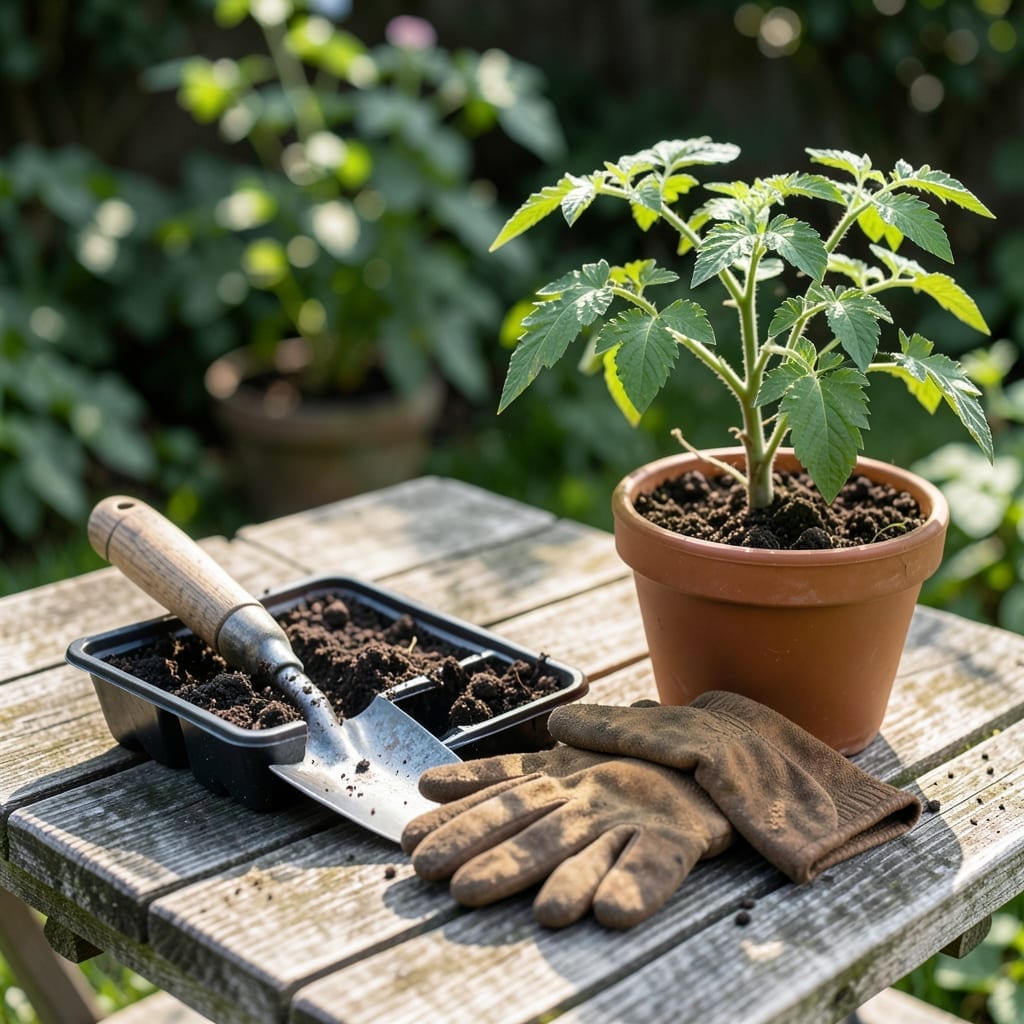
Timing is everything when planting the General Garden in Ohio—plant too early, and frost may kill your seedlings; too late, and you’ll miss the growing season.
Ohio’s 6a-6b zones have specific windows that can make or break your harvest. I’ve seen gardeners struggle by ignoring these crucial dates, and it’s heartbreaking to watch.
Discover the perfect planting windows for your zone to maximize yield and avoid common pitfalls. Whether you’re a beginner or seasoned gardener, timing is the key.
Let me walk you through what you need to know to get your General Garden off to the best start this season.
Ohio spans USDA hardiness zones 5 and 6, which means your planting schedule depends on your exact location. Northern Ohio tends to have a shorter growing season compared to the southern regions. 🌱
Knowing your last spring frost date and first fall frost date is crucial. In zone 5, the last frost typically occurs around April 15 to May 1, while in zone 6, it’s often a bit earlier. 🌿
| Zone | Last Frost Date | First Frost Date | Frost-Free Days |
|---|---|---|---|
| Zone 5 (Northern Ohio) | April 15 – May 1 | October 15 – November 1 | 150-180 |
| Zone 6 (Southern Ohio) | April 1 – April 15 | November 1 – November 15 | 180-200 |
For cool-season crops like lettuce and peas, I start planting as soon as the soil is workable in early spring. These plants tolerate light frosts and thrive in cooler temperatures. 🌱
Warm-season crops such as tomatoes, peppers, and cucumbers need to wait until after the last frost date. I always check the soil temperature—it should be at least 60°F for these plants. ☀️
In Southern Ohio, gardeners can often plant 2-3 weeks earlier than in the north. This means tomatoes and peppers can go in the ground by mid-April if the weather cooperates. 🌿
For fall planting, I count backward from the first expected frost date. Cool-season crops like spinach and kale can be planted in late summer for a fall harvest. ✂️
Using row covers or cold frames can extend your growing season by a few weeks. I’ve found this especially helpful for early spring and late fall plantings. 🌱
Remember, microclimates can vary even within the same zone. A south-facing garden or an urban heat island might allow for slightly earlier planting. Always observe your local conditions. 🌳
I recommend keeping a gardening journal to track your planting dates and harvests. This helps refine your schedule year after year based on your specific location’s patterns. 📋
Ohio’s cool springs and warm summers create ideal conditions for seasonal vegetable planting. I always start cool-season crops like lettuce and peas in early spring, right after the soil thaws.
For warm-season favorites like tomatoes and peppers, waiting until after the last frost date (usually mid-April to early May) is key to avoiding frost damage.
I’ve found that succession planting extends my harvest window significantly. For example, planting new lettuce seeds every 2 weeks ensures a steady supply through early summer.
Don’t forget soil temperature—it’s just as important as air temperature. Warm-season crops like peppers need soil at least 60°F to thrive. A soil thermometer is my go-to tool for accuracy.
In Northern Ohio, I delay planting heat-lovers like eggplant until late May. Meanwhile, Southern Ohio gardeners can start these crops 2-3 weeks earlier due to warmer conditions.
For fall gardens, count backward from your first frost date. Fast-growing crops like radishes and turnips can be planted in late summer for a pre-frost harvest.
Always check your local frost dates—they’re the ultimate guide for timing your plantings perfectly. 🌿