
Beautiful Plants For Your Interior
Beautiful Plants For Your Interior
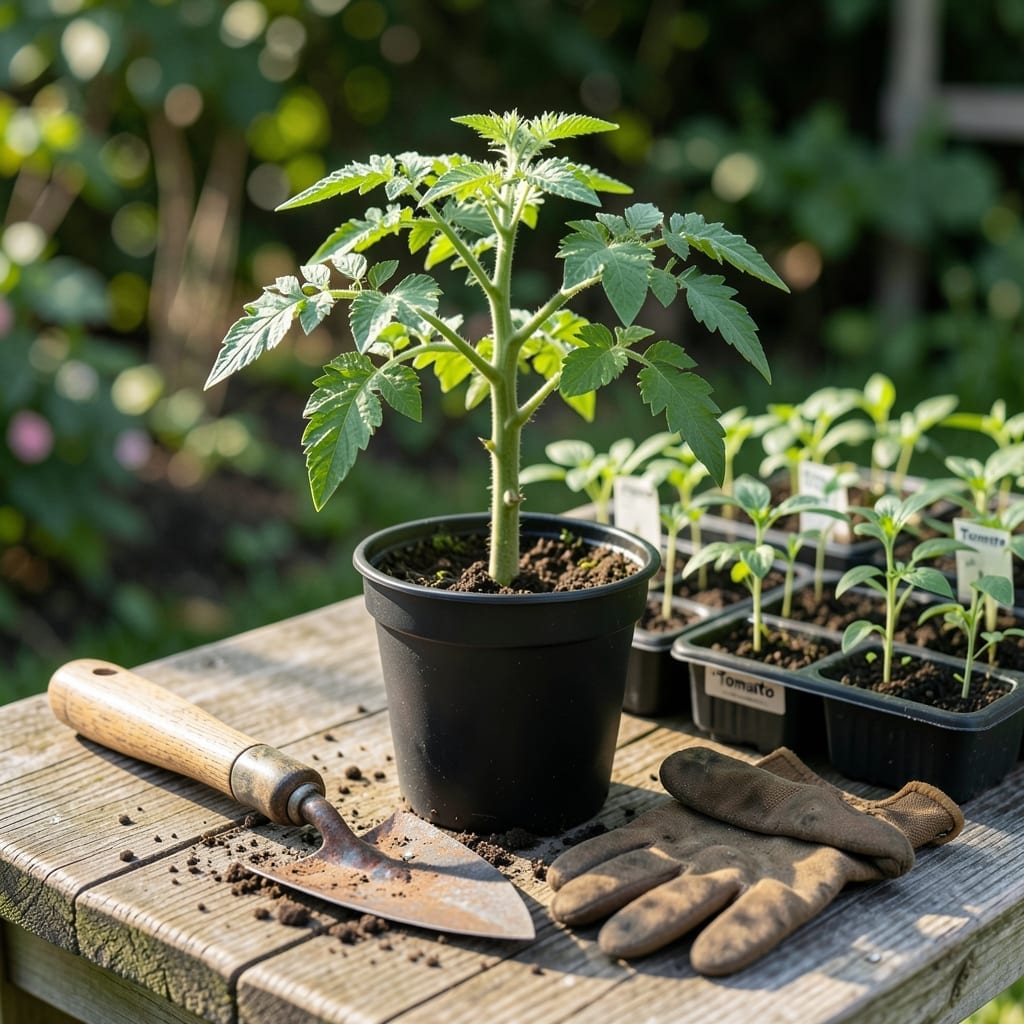
Timing is everything when you’re planting a 🌱 Garden in Michigan, where the weather can change on a dime. One week it’s sunny and warm, the next you might be facing a late frost that wipes out your early efforts.
That’s why knowing your planting window is so crucial. Michigan’s unique climate zones, particularly 5b-6a, create specific challenges and opportunities for gardeners.
I’ve spent years learning the rhythms of this region, and what I’ve discovered will save you from the heartbreak of lost plants. The difference between success and failure often comes down to just a few weeks.
Discover how to align your planting schedule with Michigan’s seasons for a thriving 🌱 Garden. The right timing can make all the difference in your harvest.
Michigan’s USDA hardiness zones span from 4 to 6, creating distinct planting windows. These zones help determine when to start seeds and transplant seedlings for the best results in your garden. 🌱
Understanding your specific zone is crucial because it dictates your last spring frost date and first fall frost date. These dates mark the boundaries of your growing season and are key to timing your planting schedule.
In Zone 5b, where much of southern Michigan falls, you typically have about 150 frost-free days. This means your window for warm-season crops like tomatoes and peppers is generally from mid-May to mid-October.
For Zone 6a, which includes areas like Grand Rapids, the growing season starts earlier. Here, you can often plant cool-season crops like lettuce and peas as early as late March or early April. 🌿
It’s important to note that these dates are averages. Michigan weather can be unpredictable, so I always recommend keeping an eye on the 10-day forecast before planting. A late frost can wipe out tender seedlings.
Soil temperature is another critical factor. Most vegetables need soil temps of at least 50°F to germinate properly. I use a simple soil thermometer to check conditions before planting.
In my experience, starting seeds indoors can give you a head start. For warm-season crops, I begin seeds 6-8 weeks before the last expected frost date. This way, they’re ready to transplant when the weather warms up.
Remember that microclimates can affect your local conditions. Urban areas, bodies of water, and even your yard’s specific features can create slightly different growing conditions than the general zone suggests. ☀️
Michigan’s growing season typically runs from mid-May to mid-October, but the best planting dates vary by crop type and region. Cool-season vegetables thrive in early spring and fall, while warm-season crops need the soil to warm up.
For cool-season crops like lettuce, spinach, and peas, I start planting as soon as the soil is workable in early April. These plants tolerate light frosts and actually prefer cooler temperatures for optimal growth.
| Crop Type | Planting Time | Method |
|---|---|---|
| Cool-Season (Lettuce, Peas) | Early April | Direct Sow |
| Warm-Season (Tomatoes, Peppers) | Mid-May | Transplant |
| Flowers (Marigolds, Zinnias) | Late May | Direct Sow |
| Perennials | Spring or Fall | Transplant |
Warm-season favorites like tomatoes, peppers, and cucumbers should wait until after the last frost date, which is around May 15 for most of Michigan. I always check the soil temperature—it should be at least 60°F for these heat-lovers.
For flowers, marigolds and zinnias can go in the ground in late May when the soil has warmed. If you’re eager to get a head start, many annual flowers do well when started indoors 6-8 weeks before the last frost.
Don’t forget about succession planting! I plant radishes and bush beans every 2-3 weeks for continuous harvests. This technique works especially well with fast-growing cool-season crops.
Michigan’s fall garden can be just as productive as spring. Plant kale, carrots, and beets in late July through early August for a bountiful autumn harvest before the first frost arrives.
Always remember that these are general guidelines. Your specific microclimate might allow for slight adjustments, so keep a garden journal to track what works best in your space 🌱