
Beautiful Plants For Your Interior
Beautiful Plants For Your Interior
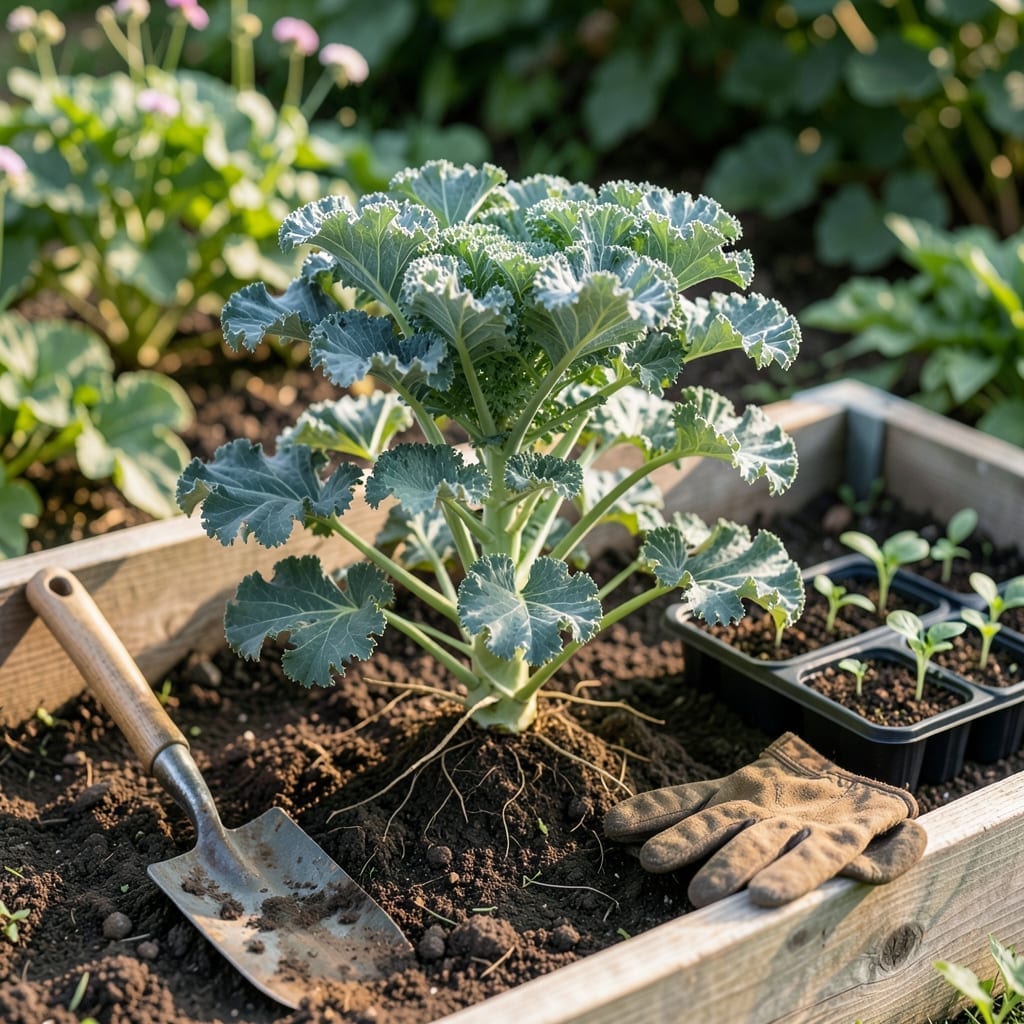
Timing is everything when it comes to planting a thriving Fall Garden in Texas, where the vast climate zones demand precise planning. Get it right, and you’ll enjoy a bountiful harvest of cool-season crops.
As a gardener in zones 8a-9b, I’ve learned that planting too early or too late can make or break your season. The window between August and September is your golden opportunity to get those seeds in the ground.
This isn’t just about throwing seeds in dirt and hoping for the best. You need to understand how our Texas heat transitions into cooler months and how that affects your plants’ growth cycle.
Discover the exact timing strategies that will help you maximize your Fall Garden yield. Let’s dig into the details that will set you up for success this growing season.
Texas spans USDA zones 6 through 10, meaning fall planting times vary significantly across the state. In cooler zones like 6 and 7, I start seeds indoors in July for transplanting in August. Warmer zones like 9 and 10 allow direct sowing in September or even early October.
Your first frost date is the magic number. For most of Texas, this falls between November 1st and 15th. I always count backward 6-8 weeks from this date to determine my planting window for cool-season crops.
| Zone | First Frost | Planting Window | Key Crops |
|---|---|---|---|
| 6-7 | Oct 15-Nov 1 | Mid-August | Kale, Broccoli |
| 8a-8b | Nov 1-15 | Late August | Carrots, Lettuce |
| 9a-10 | Nov 15-Dec 1 | September | Spinach, Beets |
In my experience, soil temperature matters as much as air temperature. Cool-season crops like spinach and peas germinate best when soil is between 60-75°F. I use a soil thermometer to check before planting.
For zone 8a-9b where I garden, September is ideal for most crops. I’ve had great success with collard greens and Swiss chard planted in early September, as they tolerate light frosts beautifully.
Success tip: Start with transplants for crops like broccoli and cabbage. They establish faster than direct-seeded plants, giving you a head start before cooler weather slows growth.
Watering needs change in fall too. As temperatures drop, I reduce watering frequency but maintain consistent moisture. Most cool-season crops need about 1 inch of water per week from rain or irrigation.
For root crops like carrots and beets, I make sure the soil stays loose and free of rocks. These crops need room to grow properly. I also thin seedlings to 2-3 inches apart to prevent crowding.
Remember, these are general guidelines. Your specific microclimate might vary. I always keep a garden journal to track what works best in my particular spot. Over time, you’ll develop a feel for your garden’s unique rhythm.
☀️Texas fall gardens thrive with cool-season crops that love milder temperatures. I always start with leafy greens like kale and spinach, which become sweeter after a light frost.
Root vegetables like carrots and beets also do exceptionally well when planted in late summer. They develop deeper flavors as the soil cools.
I’ve found that alliums like garlic and onions planted in October develop strong root systems before winter dormancy. This gives them a head start for spring growth.
Brassicas such as broccoli and cabbage require rich soil and consistent watering. I amend my beds with compost before planting these heavy feeders.
For quick results, radishes are my go-to. They’re ready to harvest in just 30-40 days, perfect for a fast fall crop between other plantings.