
Beautiful Plants For Your Interior
Beautiful Plants For Your Interior
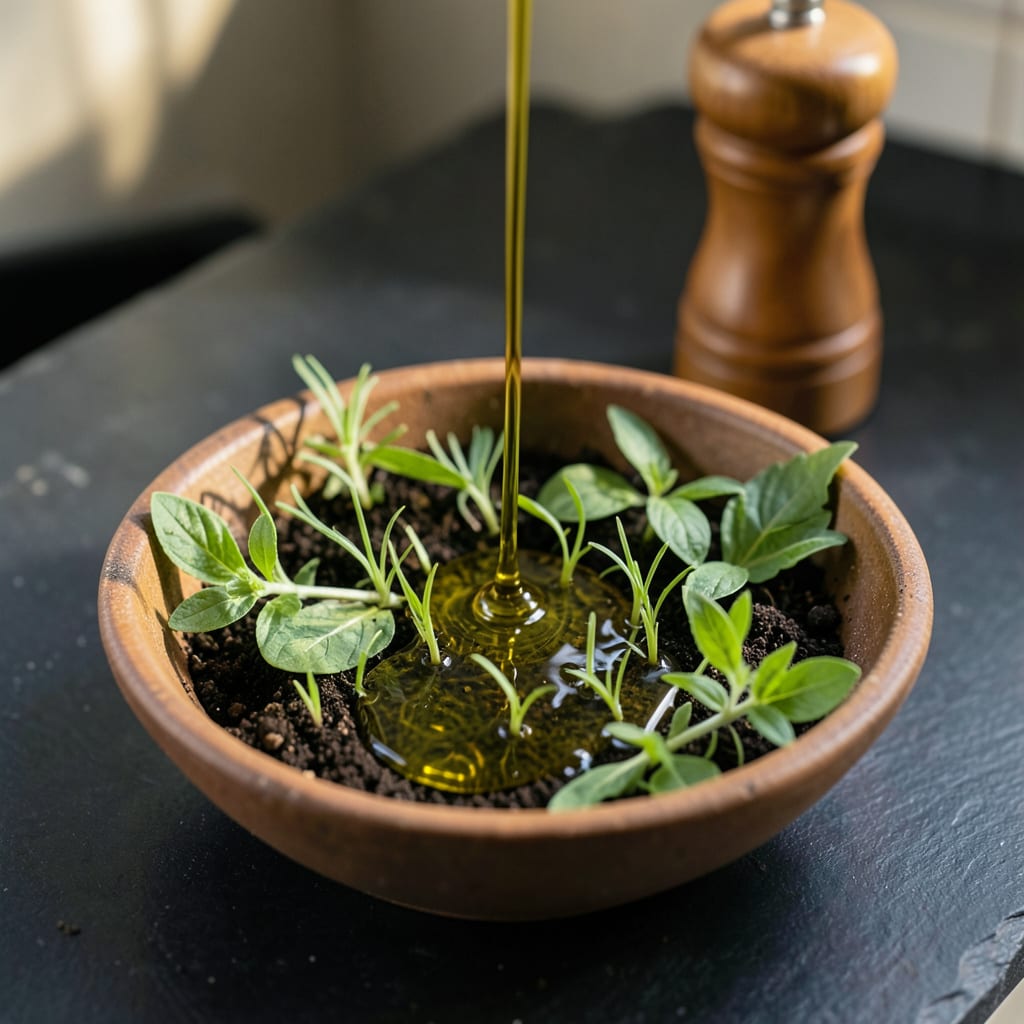
Fertilizing your Lawn Grass 🌿 in Florida can be tricky, but timing is everything. With the state’s unique climate, you’ll want to feed your lawn during the right seasons to keep it healthy and vibrant.
I recommend fertilizing during Florida’s growing seasons – typically spring and fall. By doing so, you’ll promote healthy growth and maintain a lush, green lawn throughout the year.

Understanding the best times to fertilize your lawn in Florida is crucial for maintaining a healthy and vibrant yard. Florida’s unique climate means that the timing of fertilization can significantly impact the effectiveness of the fertilizer and the overall health of your lawn 🌿.
I recommend fertilizing your lawn during the growing seasons, which typically occur in spring and fall. During these periods, your lawn is actively growing, and the fertilizer will be most effective in promoting healthy growth and maintaining a lush, green color.
The ideal months for fertilizing your lawn in Florida are March, April, September, and October. During these months, the weather conditions are generally favorable for lawn growth, with mild temperatures and adequate rainfall 🌟.
In addition to the timing, it’s essential to consider the type of fertilizer you use. A balanced, slow-release fertilizer is recommended, as it provides nutrients to the lawn over an extended period, promoting healthy growth and reducing the risk of over-fertilization.
When fertilizing your lawn, be sure to follow the recommended application rates and guidelines to avoid over-fertilizing, which can harm the environment and your lawn’s health ⚠️.
Fertilizing your lawn at the right time is just one aspect of maintaining a healthy and vibrant yard. Regular mowing, watering, and pest control are also crucial for keeping your lawn looking its best 🌿.
By understanding the best times to fertilize your lawn in Florida and following the recommended guidelines, you can promote healthy growth, maintain a lush, green color, and enjoy a beautiful yard throughout the year.
For more information on lawn care and fertilization, consider consulting with a local gardening expert or checking out resources from the University of Florida’s Institute of Food and Agricultural Sciences (UF/IFAS) 🌻.
Remember, a well-maintained lawn not only enhances the beauty of your property but also provides a safe and enjoyable outdoor space for you and your family to enjoy 🏠.
By following these tips and guidelines, you can keep your lawn healthy, vibrant, and thriving throughout the year 🌟.
Florida’s diverse climate zones require region-specific fertilization timing to ensure optimal lawn health 🌿.
I recommend understanding the different climate zones in Florida and adjusting your fertilization schedule accordingly. The state’s climate varies from North to South, with different temperature and rainfall patterns affecting lawn growth.
By following this region-specific fertilization schedule, you can ensure your lawn receives the necessary nutrients to thrive in Florida’s unique climate 🌟.
It’s also essential to consider the type of grass you have when determining your fertilization schedule. Different grass species have varying nutrient requirements, so be sure to choose a fertilizer that meets your lawn’s specific needs.
In North Florida, the cooler winters and hotter summers require a fertilization schedule that promotes healthy growth during the growing season. In contrast, South Florida’s subtropical climate means that lawns require more frequent fertilization throughout the year 🌿.
When applying fertilizer, be sure to follow the recommended application rates and guidelines to avoid over-fertilizing, which can harm the environment and your lawn’s health ⚠️.
By understanding the fertilization needs of your lawn based on Florida’s climate zones, you can create a personalized fertilization schedule that promotes healthy growth and maintains a lush, green color throughout the year 🌻.
To keep your lawn healthy and vibrant in Florida’s unique climate, it’s essential to follow best practices for fertilizer application 🌿.
I recommend understanding the specific needs of your lawn, including the type of grass you have and the climate zone you’re in. Different grass species have varying nutrient requirements, so be sure to choose a fertilizer that meets your lawn’s specific needs.
When applying fertilizer, be sure to follow the recommended application rates and guidelines to avoid over-fertilizing, which can harm the environment and your lawn’s health ⚠️.
In addition to proper fertilization, regular lawn maintenance is crucial for keeping your lawn looking its best. This includes regular mowing, watering, and pest control 🌻.
By following these tips and guidelines, you can promote healthy growth, maintain a lush, green color, and enjoy a beautiful yard throughout the year 🌟.
For more information on lawn care and fertilization, consider consulting with a local gardening expert or checking out resources from the University of Florida’s Institute of Food and Agricultural Sciences (UF/IFAS) 📚.
The ideal times to fertilize your lawn in Florida are during the growing seasons, typically in spring (March to May) and fall (September to November). This promotes healthy growth and maintains a lush, green color throughout the year.
Fertilize your lawn every 6-8 weeks during the growing season, which typically occurs in spring and fall. This frequency ensures your lawn receives the necessary nutrients to thrive in Florida’s climate.
A balanced, slow-release fertilizer with an NPK ratio of 3-1-2 or 4-1-2 is recommended for lawns in Florida. This type of fertilizer provides nutrients to your lawn over an extended period, promoting healthy growth and reducing the risk of over-fertilization.
It’s generally recommended to avoid fertilizing your lawn during the winter months (December to February) when lawn growth is slow. Instead, focus on fertilizing during the growing seasons in spring and fall to promote healthy growth.
