
Beautiful Plants For Your Interior
Beautiful Plants For Your Interior
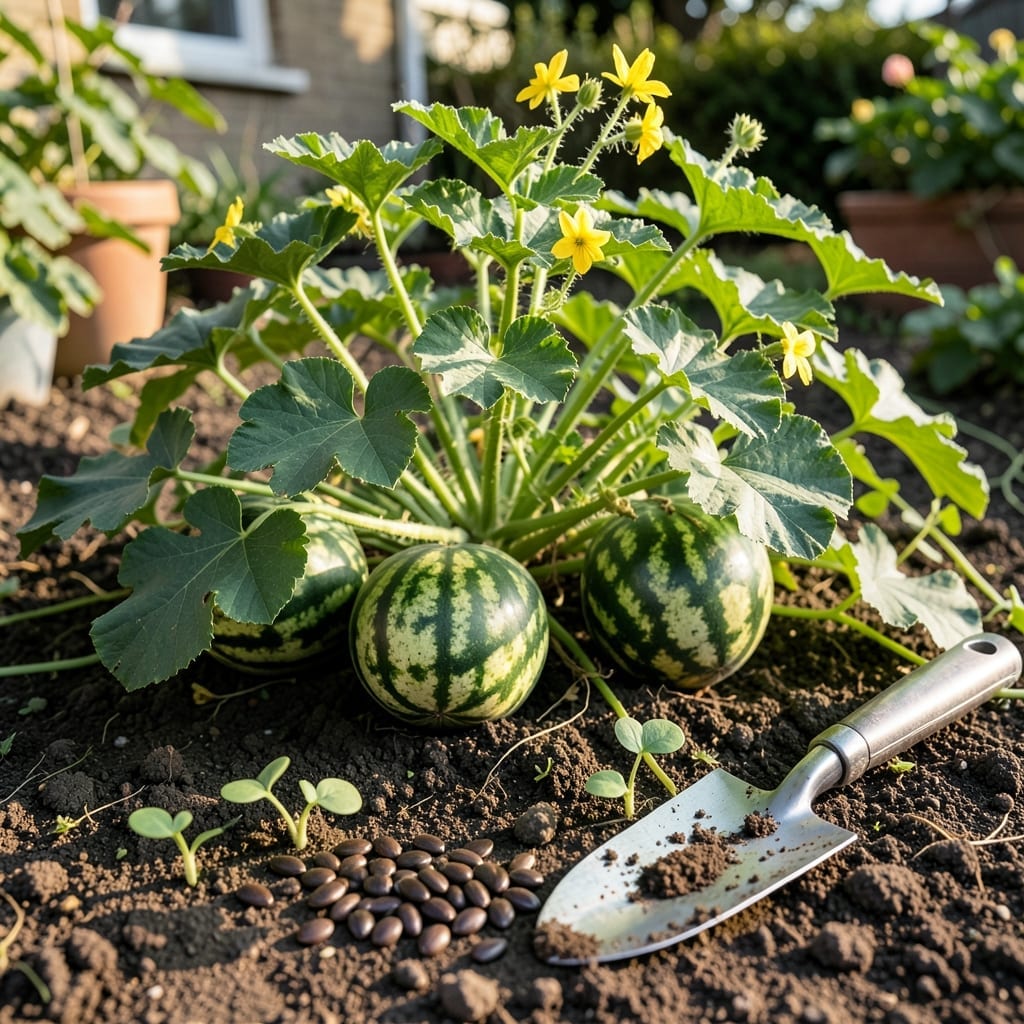
Timing is everything when it comes to growing the perfect 🍉 Watermelon. Plant too early, and a late frost could wipe out your seedlings. Plant too late, and you might end up with small, underripe fruit.
In Zone 6, the sweet spot is between April and June, when the soil has warmed up enough to support healthy growth. This window gives your Watermelon the best chance to thrive and produce a bountiful harvest.
But it’s not just about the calendar. You’ll need to watch for consistent soil temperatures and frost-free days to ensure success. I’ll walk you through the key factors that make all the difference.
Discover how to nail the timing and set your Watermelon plants up for a season of sweet, juicy success.
Getting the timing right for watermelon planting means understanding your climate zone. In warmer regions like Zones 9-11, you can start as early as March, but cooler areas like Zones 3-5 should wait until May or June. 🌱
The key factor is soil temperature—it must be consistently above 70°F for seeds to germinate properly. I always use a soil thermometer to check before planting. 🌡️
| Climate Zone | Planting Window | Soil Temp Requirement |
|---|---|---|
| Zones 3-5 | Late May – June | 70°F+ |
| Zones 6-8 | April – May | 70-80°F |
| Zones 9-11 | March – April | 75°F+ |
In Zone 6, where I garden, the ideal window is April through June. This aligns with the last frost date of April 15 and ensures 180 frost-free days for maturation. ☀️
For cooler microclimates, consider black plastic mulch to warm the soil faster. I’ve seen this boost early growth by 2-3 weeks in spring. The mulch also retains moisture during dry spells.
If you’re in a short-season area, choose fast-maturing varieties like ‘Sugar Baby’ (75 days) or ‘Early Moonbeam’ (70 days). These can handle cooler nights better than larger heirlooms.
In hot climates, like Zone 10, you can plant a second crop in late summer for a fall harvest. Just ensure there’s enough time before the first frost hits.
Always check your local weather—a sudden cold snap can set back young plants. I use row covers for extra protection if temperatures dip unexpectedly. 🌿
Remember, watermelons need space—plant seeds 1 inch deep and 3-5 feet apart in rows 6-8 feet apart. This gives vines room to sprawl and improves air circulation.
Finally, test soil pH before planting. Watermelons thrive in slightly acidic soil (pH 6.0-6.8). If needed, amend with lime or sulfur to adjust levels before sowing. 🪴
Preparing your soil and seedlings properly can make or break your watermelon harvest. I always start by testing my soil pH, aiming for a 6.0 to 6.8 range for optimal growth. Watermelons thrive in slightly acidic to neutral soil.
Next, I work in plenty of organic matter like compost or well-rotted manure to improve drainage and fertility. This gives your seedlings the nutrient boost they need to establish strong roots. 🌱
For cooler climates, I recommend starting seeds indoors 2-4 weeks before the last frost date. Use peat pots to avoid disturbing roots during transplanting. This gives your watermelons a head start on the growing season.
When direct sowing, wait until all danger of frost has passed and soil temperatures reach at least 70°F. Plant seeds 1 inch deep and 3-5 feet apart to allow for vine spread. Watermelons need room to grow!
Finally, keep the soil consistently moist but not waterlogged during germination. Once seedlings emerge, you can reduce watering slightly but maintain even moisture for best results. 💧