
Beautiful Plants For Your Interior
Beautiful Plants For Your Interior
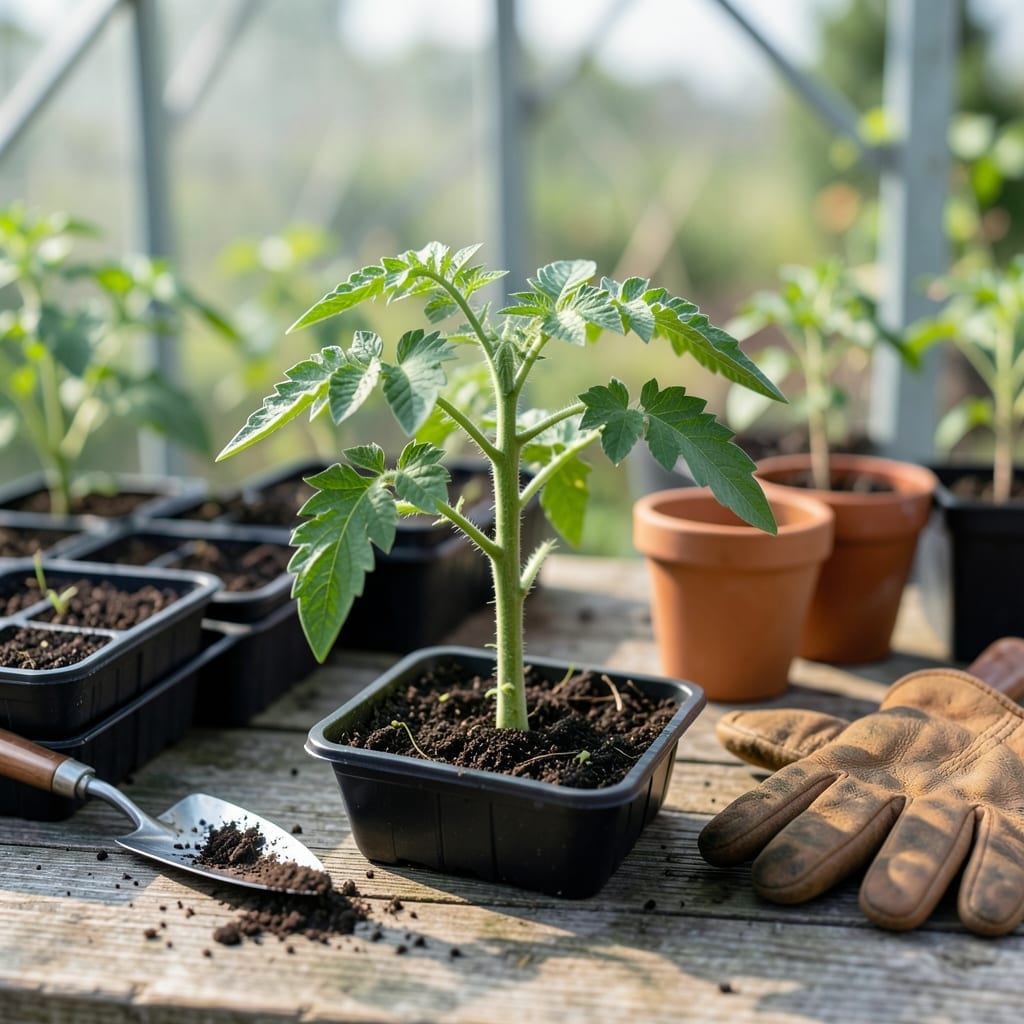
Transplanting seedlings at the wrong time can stunt their growth or even kill them. Getting the timing right sets your garden up for lasting success.
The true leaf stage is when your 🌱 seedlings are ready to make the move. This is the moment when they’re strong enough to handle the transition without major stress.
I’ve learned through experience that rushing this process often leads to disappointment. But when you wait for those first true leaves to appear, you give your plants the best possible start.
Discover how to spot this critical stage and what to do next. Your thriving garden begins with this simple but essential knowledge.
I always check for true leaves before transplanting—those are the second set that appear after the initial cotyledons. The cotyledons are the first leaves you see, but they’re not the real deal. True leaves look like the plant’s mature foliage.
Your seedlings are ready when they have 2-4 true leaves and a sturdy stem. This stage means they’ve developed enough to handle the stress of moving. Transplanting too early can shock them and stunt growth.
| Stage | Appearance | Transplant Ready? |
|---|---|---|
| Cotyledons | Round, simple leaves | ❌ No |
| First true leaves | Jagged, plant-specific shape | ❌ Not yet |
| 2-4 true leaves | Fully formed, vibrant green | ✅ Yes |
I’ve found that tomatoes and peppers often need 4 true leaves before they’re robust enough. Meanwhile, lettuce can go out with just 2-3 true leaves. Always check your specific plant’s needs.
Another sign is a strong root system. Gently tip the seedling out of its container—if you see white roots filling the space, it’s likely ready. Weak or sparse roots mean it needs more time.
The stem thickness matters too. A pencil-thick stem can handle transplanting better than a flimsy one. If it bends easily, wait a few more days and let it toughen up.
I also look for vibrant green color in the leaves. Pale or yellowing leaves signal stress, which means your seedling isn’t ready for the big move. Healthy color equals healthy transplant.
Timing with the weather is crucial. I transplant after the last frost in my area, which is around April 15 for USDA Zone 6. Check your local frost dates to avoid cold damage.
If you’re growing in containers, the rules are similar. Wait for those true leaves and strong stems. The only difference is you can move them anytime since you control their environment.
Remember, hardening off is essential before transplanting. I start by placing seedlings outside for a few hours each day, gradually increasing their exposure to wind and sun.
By following these signs, I’ve had much better success with my seedlings. Transplanting at the right stage gives them the best start for a productive growing season 🌱
Timing your seedling transplant correctly ensures strong growth. Most vegetables are ready when they have 2-4 true leaves, but this varies by plant type and climate zone.
For example, tomato seedlings thrive when moved after the last frost, while lettuce can go out earlier in cooler weather. Always check your local frost dates for best results.
🌱 Key Transplant Timing:
In USDA Zone 6, I typically start hardening off my seedlings about 1-2 weeks before the last frost date, which is around April 15 for my area.
Remember that leggy seedlings or those with weak stems aren’t ready, even if they have the right number of leaves. Look for sturdy growth and vibrant color as additional signs.
For container gardening, you can often transplant a bit earlier since pots can be moved indoors if a late frost threatens. Just ensure your containers have good drainage to prevent root rot.
I’ve found that morning planting reduces stress on seedlings, giving them the whole day to adjust before nighttime temperature drops. Always water thoroughly after transplanting to settle the soil.
Finally, keep an eye on the weather forecast. A sudden cold snap or heat wave can set back even the most carefully timed transplanting efforts.