
Beautiful Plants For Your Interior
Beautiful Plants For Your Interior
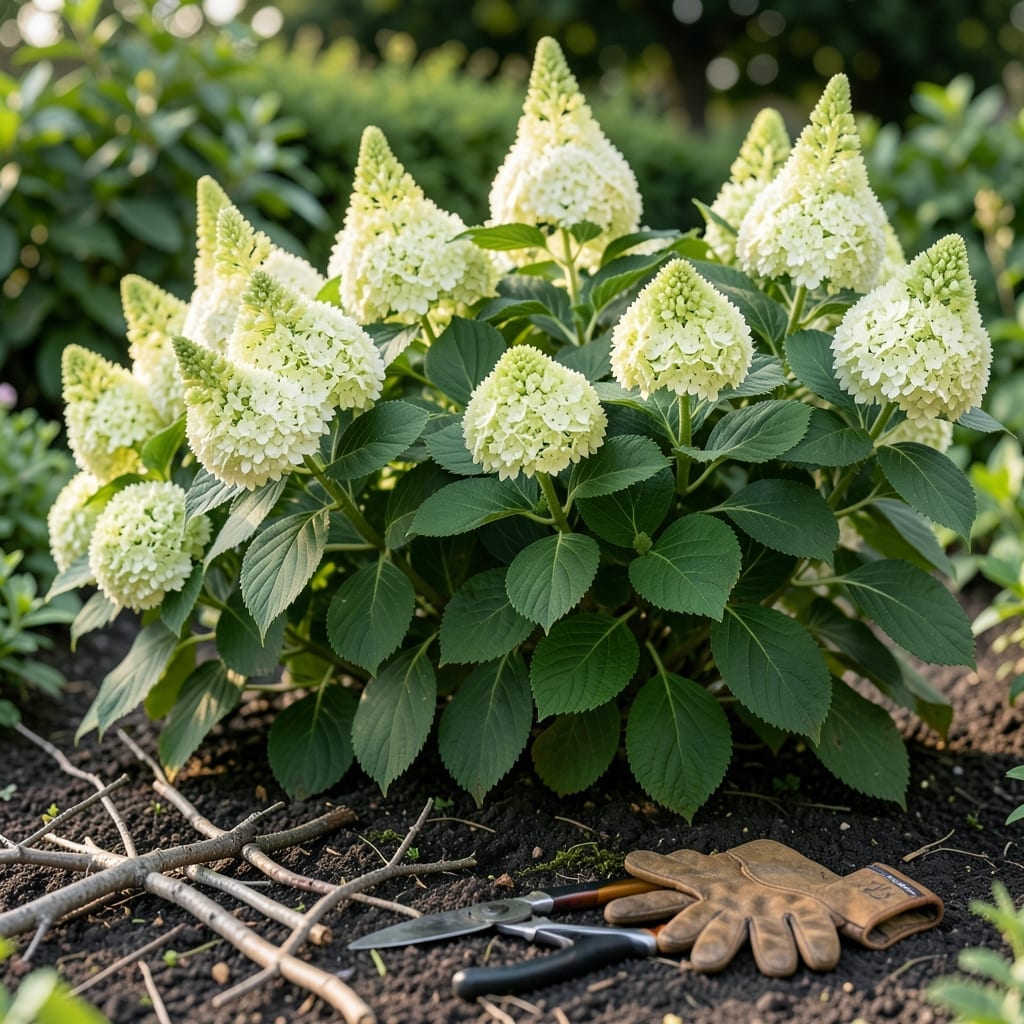
Timing is everything when it comes to pruning Limelight Hydrangeas—prune too early or too late, and you risk losing next season’s stunning blooms.
This gorgeous shrub thrives in zones 5-9 and rewards careful timing with vibrant, long-lasting flowers. The right moment makes all the difference between a lackluster display and a showstopping garden centerpiece.
Discover the perfect window to keep your 🌸 Limelight Hydrangea healthy and vibrant year after year. It’s simpler than you might think, but precision matters.
I’ll walk you through the seasonal clues and practical steps to ensure your shrub produces its most impressive blooms yet. Let’s get started.
As a gardener, I’ve learned that Limelight hydrangeas thrive when pruned at the right time. These beautiful shrubs bloom on new wood, meaning they produce flowers on the current season’s growth. That’s why timing is everything.
For the best results, I always prune my Limelight hydrangeas in late winter or early spring. This window, just before new growth starts, ensures the plant has enough time to recover and produce stunning blooms. ✂️
| Stage | Action | Timing |
|---|---|---|
| Dormant Season | Prune dead or weak stems | Late Winter |
| Early Growth | Shape the shrub | Early Spring |
| Blooming Season | Avoid pruning | Summer |
I avoid pruning in fall or summer because cutting back the shrub during these times can remove the flower buds that are already forming for next year. This is a common mistake that leaves gardeners wondering why their hydrangeas aren’t blooming.
If you live in a colder climate like USDA zones 5-6, aim to prune in March. For warmer regions in zones 7-9, you can start as early as February. Always check your local frost dates to be sure. 🌡️
Another tip I swear by is to prune on a dry, sunny day. This helps the cuts heal faster and reduces the risk of disease. I also make sure my pruning shears are sharp to ensure clean cuts that won’t damage the plant.
When pruning, I focus on removing dead or diseased wood first. Then, I trim back the remaining stems by about one-third of their height. This encourages strong, healthy growth and a bushier shape. 🌿
Remember, Limelight hydrangeas are forgiving, but pruning at the wrong time can set you back a season. Stick to late winter or early spring, and you’ll be rewarded with abundant, vibrant blooms all summer long.
I’ve also noticed that pruning at the right time helps the plant direct its energy toward new growth and flowers rather than repairing cuts made at the wrong time. This means bigger, healthier blooms for you to enjoy. 🌸
Finally, if you’re unsure, just watch your shrub. When you see the first signs of swelling buds in early spring, that’s your cue. It’s better to prune a little late than too early and risk losing those gorgeous flowers.
I always tell gardeners that Limelight hydrangeas bloom on new wood, meaning they produce flowers on the current season’s growth. This makes timing your pruning absolutely crucial for those gorgeous summer blooms.
For the best results, I prune my Limelight hydrangeas in late winter or early spring, just before new growth begins. This timing ensures you’re cutting back old growth while preserving the new stems that will bear this year’s flowers.
| Stage | Action |
|---|---|
| Late Winter | Prune before new growth |
| Early Spring | Remove dead or weak stems |
| Summer | Deadhead spent blooms |
In USDA zones 5-9, where Limelights thrive, I find February to March is the sweet spot. The plant is still dormant, but you’re giving it enough time to produce strong new stems before blooming season.
Remember, these are panicle hydrangeas, which are more forgiving than bigleaf varieties. If you miss the late winter window, you can still prune in early spring before buds swell, but avoid cutting back after mid-spring.
For gardeners in colder climates, wait until the worst frost has passed. I’ve seen Limelights in zone 4 benefit from a March pruning after the last hard freeze. This protects the plant from winter damage while still encouraging new growth.
One pro tip I swear by: always check for live wood by scratching the bark. If it’s green underneath, the stem is alive and can be left to grow. If it’s brown, it’s dead and should be removed to make way for new, productive growth.
This simple check ensures you’re only removing what’s necessary and not accidentally cutting back healthy stems that could produce this year’s spectacular lime-green blooms ✂️