
Beautiful Plants For Your Interior
Beautiful Plants For Your Interior
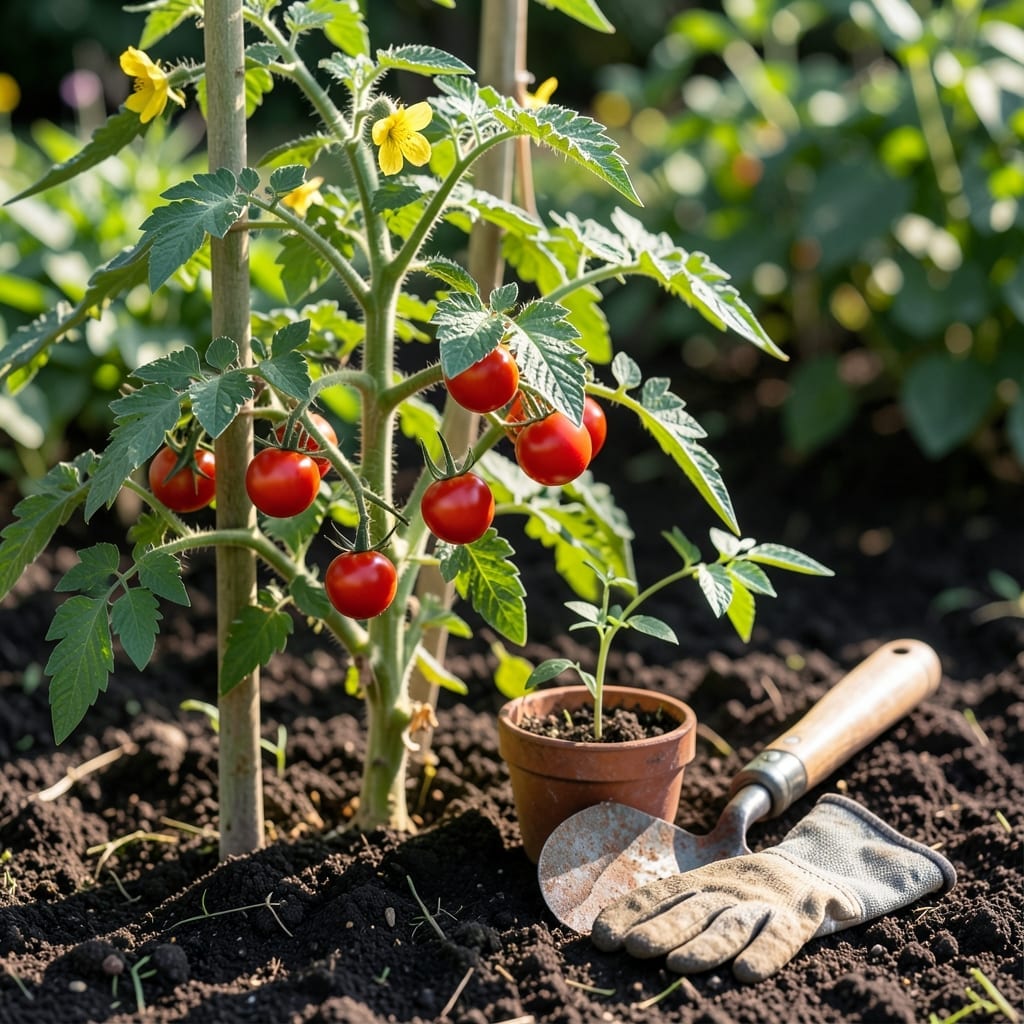
Timing is everything when it comes to growing juicy Tomato crops in Texas. Plant too early and frost may ruin your efforts; plant too late and the summer heat will stunt your harvest.
Texas gardeners know the struggle of unpredictable weather. That’s why understanding the most important planting windows can make or break your season. I’ve learned the hard way that timing isn’t just important—it’s everything.
Whether you’re in the panhandle or the gulf coast, the right schedule varies. The key is knowing your region’s unique climate patterns and working with them, not against them.
Discover how to align your planting with Texas’s seasons for the best results. Your future self—and your taste buds—will thank you.
In Texas, the best time to plant tomatoes varies by region. The Lone Star State’s diverse climate means North Texas and South Texas have very different planting windows. I’ve found timing is key to avoid late frosts or scorching heat.
For most gardeners, spring planting starts in February to April, while fall planting runs from August to September. This gives your plants time to mature before extreme temperatures hit. Always check your local frost dates for precision.
| Region | Spring Planting | Fall Planting | Notes |
|---|---|---|---|
| North Texas | Mid-March to early April | Late July to early August | Watch for late frosts |
| Central Texas | Late February to March | Mid-July to mid-August | Mild winters allow earlier starts |
| South Texas | January to February | August to September | Avoid summer heat |
| West Texas | March to early April | July to early August | High elevation affects timing |
I always recommend starting tomato seeds indoors about 6-8 weeks before your last expected frost. This gives seedlings a head start. Transplant them outdoors when soil temps hit at least 60°F.
In South Texas, you can plant as early as January since frost is rare. But in North Texas, waiting until mid-March is safer. I’ve learned this the hard way after losing young plants to unexpected cold snaps.
For fall planting, timing is equally critical. You want your tomato plants to mature before the first frost. In Central Texas, aim for mid-July to mid-August planting. This gives fruits time to ripen in cooler weather.
West Texas gardeners should watch for high altitude effects. The growing season is shorter, so early-maturing varieties like ‘Early Girl’ work best. Always use frost cloth if surprise cold snaps are forecasted.
I’ve found cherry tomatoes are more forgiving with timing. They tolerate heat better than larger varieties. For heirloom tomatoes, stick to the ideal windows as they’re often less heat-tolerant.
Remember that soil temperature matters more than air temperature. Use a soil thermometer to check. If it’s below 60°F, wait to plant. This simple step can make or break your tomato harvest.
Finally, consider succession planting for extended harvests. Plant a new batch every 2-3 weeks during your region’s window. This way, you’ll enjoy fresh tomatoes all season long
☀️
Preparing your Texas soil properly is the foundation for thriving tomato plants. Texas soils vary from heavy clay to sandy loam, each presenting unique challenges for gardeners like me.
I always start with a soil test to check pH levels and nutrient content. Tomatoes prefer a pH of 6.0-6.8 for optimal growth. Most Texas soils are alkaline, so amending with sulfur or peat moss may be necessary.
For clay-heavy soils common in North and East Texas, I recommend raised beds filled with a mix of topsoil, compost, and sand. This improves drainage and prevents root rot.
In sandy West Texas soils, the challenge is retaining moisture. I’ve had success adding peat moss and compost to increase water retention. A 2-3 inch mulch layer also helps conserve moisture.
Don’t forget about organic matter. I work in well-rotted compost or worm castings at planting time. This provides essential nutrients and improves soil structure for better root development.
For best results, prepare your soil 2-3 weeks before planting. This gives amendments time to integrate. I also add a balanced fertilizer like 10-10-10 at this stage to give plants a strong start.
🌱