
Beautiful Plants For Your Interior
Beautiful Plants For Your Interior
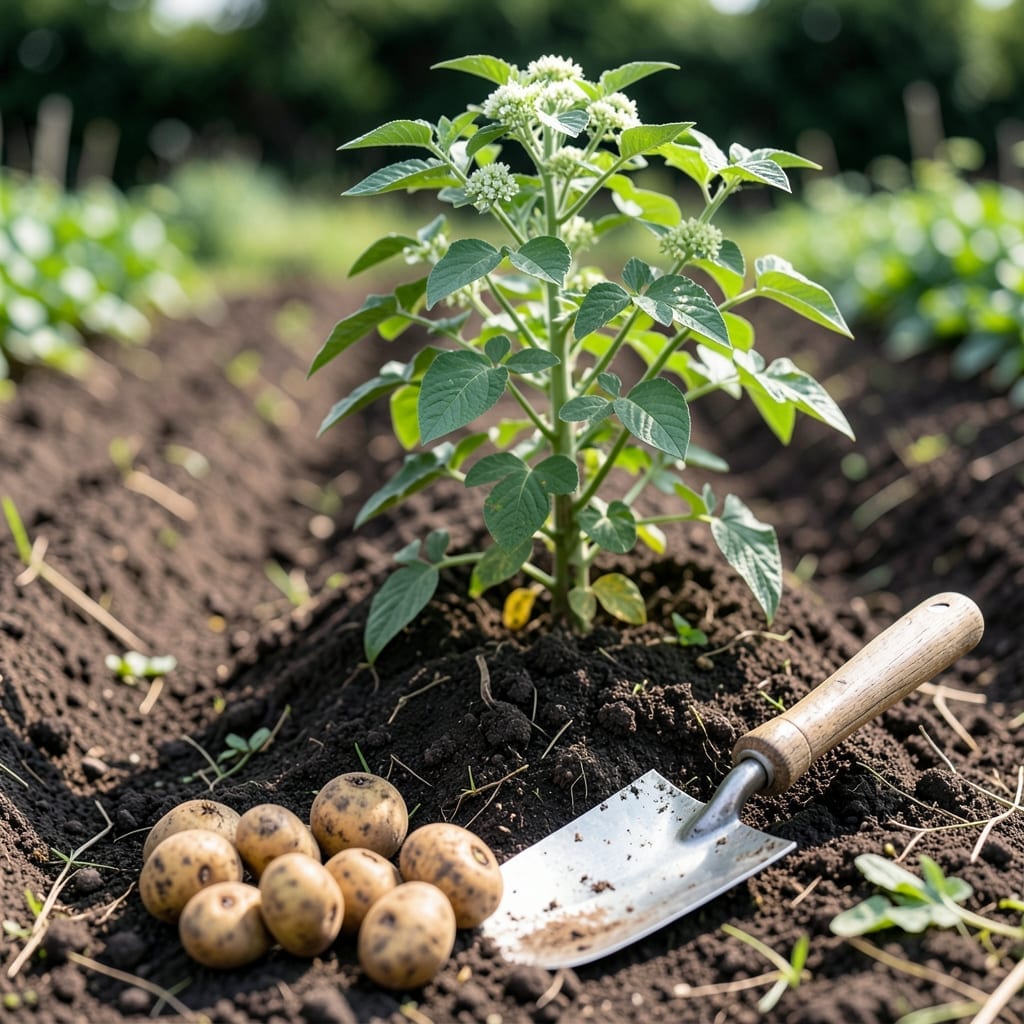
Timing is everything when planting 🥔 potatoes in Zone 8, where the mild climate offers a unique advantage. You can actually enjoy two harvests each year if you get the timing right.
I’ve found that early spring planting, just as the soil starts to warm, gives you that first delicious crop. Then, with Zone 8‘s long growing season, you can plant again in late summer for a second harvest.
Whether you’re a seasoned gardener or just starting out, knowing these windows can make all the difference. The key is understanding your local conditions and the specific needs of the Potato.
Let me walk you through the best times to plant and what to consider for each season. You’ll be amazed at how much more productive your garden can be.
In Zone 8, you’re lucky enough to get two potato planting windows per year. The first arrives in early spring, typically February to March, when soil temps hit 45-55°F. This timing lets you harvest before summer’s heat peaks.
Your second chance comes in late summer, around August, for a fall harvest. Zone 8’s long, mild season makes this possible, but watch for early frosts that could damage foliage.
| header-cell” style=”background-color: #6fd544; color: #fff; border: 1px solid #6fd544; padding: 12px; text-align: left;”>Soil Temp | body-row”> | body-cell” style=”border: 1px solid #e0e0e0; padding: 12px;”>Feb-March | body-cell” style=”border: 1px solid #e0e0e0; padding: 12px;”>May-June |
|---|---|---|---|
| body-cell” style=”border: 1px solid #e0e0e0; padding: 12px;”>50-60°F | Oct-Nov |
For spring planting, aim for 2-3 weeks before your last frost date, which is around March 15th in Zone 8. This gives tubers time to develop before hot weather sets in. Use a soil thermometer to confirm temperatures.
In late summer, plant 10-12 weeks before your first frost, usually by mid-August. This ensures tubers mature before cold snaps. I’ve found Yukon Gold and Red Pontiac do especially well with this timing.
Always pre-sprout seed potatoes by placing them in a cool, bright spot for 2-3 weeks before planting. This gives them a head start and can speed up growth by 2-3 weeks.
Soil prep is critical. Potatoes thrive in loose, well-draining soil with a pH of 5.0-6.0. I mix in aged compost and avoid fresh manure, which can cause tubers to scab.
If you’re short on space, try container gardening. A 5-gallon bucket can yield 5-10 lbs of potatoes. Just ensure it has drainage holes and use a quality potting mix.
Water consistently but avoid soggy soil. Potatoes need 1-2 inches of water weekly, especially during tuber formation. Reduce watering as foliage yellows to prevent rot before harvest.
Finally, mulch heavily with straw or leaves to retain moisture and block light, which prevents green tubers. This is especially helpful in Zone 8’s warm summers.
With these timings and care tips, you’ll be pulling up perfect spuds in no time 🌱
In Zone 8, I recommend choosing fast-maturing and heat-tolerant potato varieties to take advantage of the long growing season. These types handle the region’s occasional heat spikes better than others.
For early spring planting, Yukon Gold and Red Pontiac are excellent choices. Both mature in about 90 days and thrive in the mild conditions typical of early spring in Zone 8. 🌱
| Variety | Days to Maturity | Best For |
|---|---|---|
| Yukon Gold | 90 | Early spring planting |
| Red Pontiac | 90 | Early spring planting |
| Kennebec | 110 | Late summer planting |
| Purple Majesty | 100 | Heat tolerance |
If you’re planting in late summer, Kennebec and Purple Majesty are ideal. Kennebec handles heat well and stores beautifully, while Purple Majesty adds a pop of color and resists disease.
I always remind fellow gardeners that soil temperature is key. For spring planting, wait until the soil reaches at least 45°F. For late summer, aim to plant 10-12 weeks before the first expected frost.
Don’t forget to consider companion plants like beans or corn, which can help deter pests and improve soil health. Pairing potatoes with the right neighbors can boost your harvest significantly. 🌿
For the best results, I suggest testing your soil before planting. Potatoes prefer slightly acidic soil with a pH of 5.0-6.5. Amending with compost can improve both drainage and fertility.
Finally, remember that consistent moisture is crucial, especially during tuber formation. Aim for 1-2 inches of water per week, but avoid waterlogging the soil. ✂️