
Beautiful Plants For Your Interior
Beautiful Plants For Your Interior
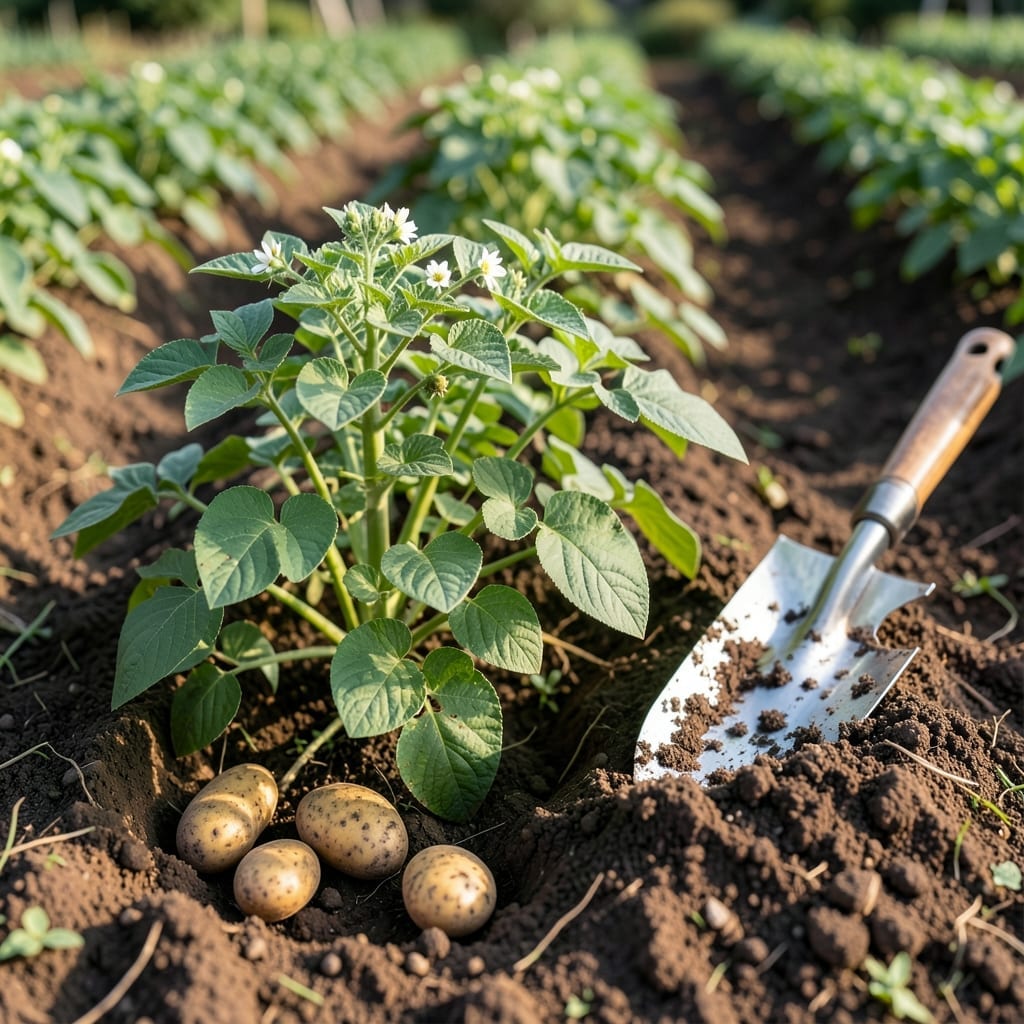
Timing is everything when planting 🥔 Potato in Zone 6—plant too early and frost can ruin your crop, too late and you’ll miss the ideal growing window.
Getting this right means the difference between a lackluster harvest and a bumper crop. I’ve learned the hard way that even a few days can make a world of difference.
With Zone 6‘s last frost typically around mid-April, the planting sweet spot is just before this date. But there’s more to consider than just the calendar.
Discover the exact timing and preparation steps that’ll set you up for success with your Potato crop this season.
In Zone 6, the ideal time to plant potatoes is 2-3 weeks before the last frost date, which is typically around April 15. This gives the soil time to warm to the 45-55°F range potatoes need. 🌱
I’ve found that early-season varieties like Yukon Gold or Red Norland do best when planted in late March to early April. For mid-season or late-season potatoes, aim for mid-April to early May. 🌿
| Potato Type | Planting Window | Days to Maturity |
| Early-Season | Late March – Early April | 60-80 days |
| Mid-Season | Mid-April – Early May | 80-100 days |
| Late-Season | Early – Mid May | 100-120 days |
| Fall Crop | Early – Mid August | 60-80 days |
A fall crop is also possible in Zone 6. Plant early-maturing varieties around August 1-15 to harvest before the first frost in mid-October. This works well for a second harvest. ☀️
Soil temperature is critical. Use a soil thermometer to check that it’s consistently 45°F or warmer at a 4-inch depth. Planting in cold soil can cause seed potatoes to rot. ✂️
If you’re eager to start earlier, try pre-sprouting or chitting your seed potatoes indoors. Place them in a bright, cool spot for 2-4 weeks before planting. This gives them a head start. 🌱
For frost protection, I recommend using row covers or mulch like straw or leaves. This can buy you an extra 2-3 weeks of growing time if a late frost is forecasted. 🌡️
Remember, consistent moisture is key once the foliage emerges. Aim for 1-2 inches of water per week, either from rainfall or irrigation. Avoid waterlogging, as potatoes hate soggy soil. 💧
Lastly, crop rotation matters. Never plant potatoes or other nightshades like tomatoes or peppers in the same spot year after year. This prevents disease buildup in the soil. 🌿
Preparing your soil and seed potatoes properly is crucial for a successful Zone 6 crop. Start by testing your soil’s pH level—potatoes thrive in 5.0-6.5 pH. 🌱
I always loosen the soil to a 12-inch depth and mix in compost or well-rotted manure for better drainage. This prevents waterlogged tubers and promotes healthy root growth. 🌿
🌱 Step-by-Step Soil Prep
For seed potatoes, I recommend chitting—placing them in a bright, cool area for 2-4 weeks before planting. This encourages strong sprouts and speeds up growth. ✂️
If you’re planting early in Zone 6, use row covers or thick mulch to protect against late frosts. I’ve used straw mulch successfully to keep soil warm and moist. ☀️
Hardening off your seed potatoes is another smart move. Gradually expose them to outdoor conditions over 7-10 days before planting. This reduces transplant shock. 🌡️
Finally, space your seed pieces about 12 inches apart in rows 30-36 inches apart. Plant them 4 inches deep with the sprouts facing up for the best results. 💧