
Beautiful Plants For Your Interior
Beautiful Plants For Your Interior
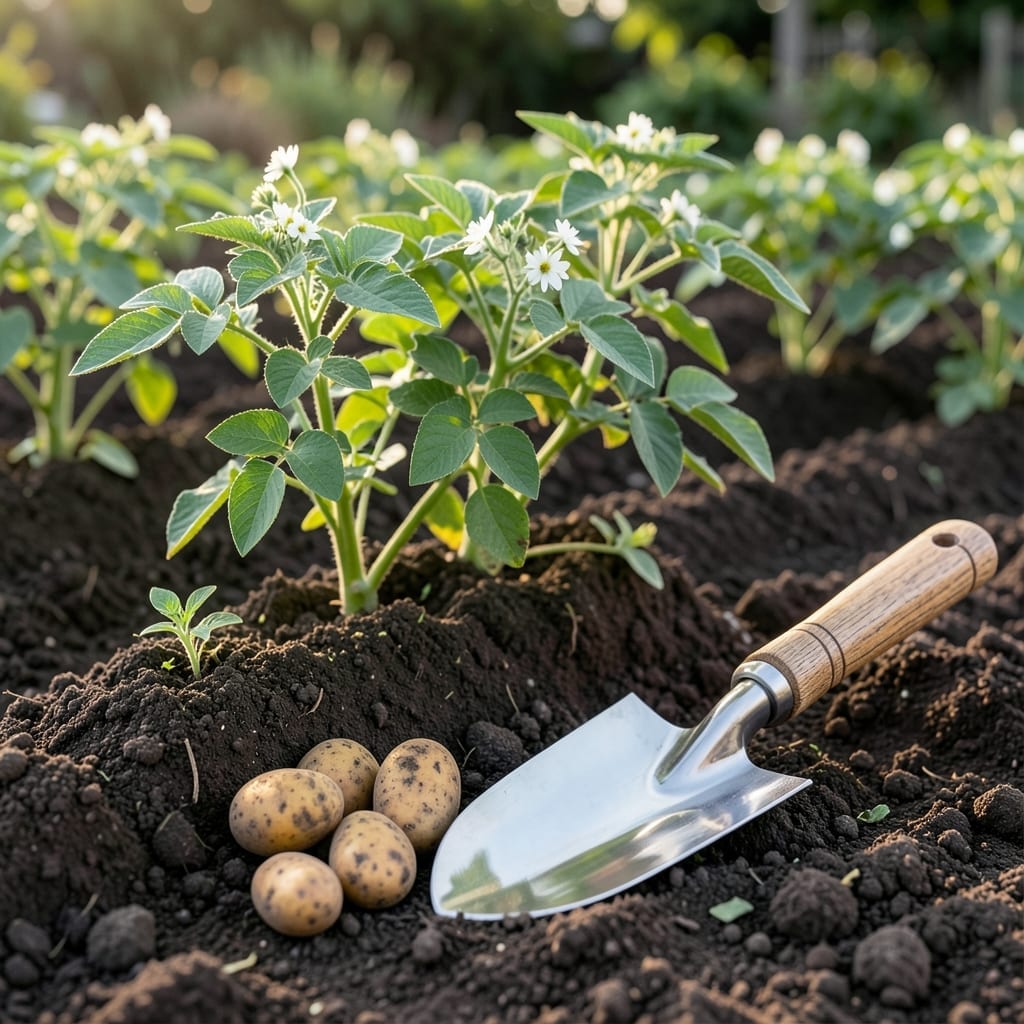
Timing is everything when planting Potato in Ohio’s climate—plant too early and frost may kill your crop, too late and you’ll miss the ideal growing window.
In Zone 6a, the spring planting window is narrow but most important. Getting this right means the difference between a bountiful harvest and disappointment.
I’ve tested various approaches in my own garden, and what I’m about to share will save you from common pitfalls. Whether you’re a beginner or seasoned gardener, these insights will set you up for success.
Discover the exact seasonal schedule that works for Ohio’s unique conditions. Let’s dig in and get your 🥔 planted at the perfect time.
In Ohio’s Zone 5 climate, timing your potato planting is critical. The last frost date is typically around April 15, so aim to plant 2-3 weeks before this date. This gives your seed potatoes time to establish before warmer weather.☀️
For early-season potatoes like Yukon Gold, plant in late March to early April. These varieties mature in about 60-90 days, so they’ll be ready for harvest before the summer heat sets in.🌱
| Variety | Planting Window | Days to Maturity | Harvest Time |
|---|---|---|---|
| Yukon Gold | Late March – Early April | 60-90 | June – July |
| Red Pontiac | Early April | 80-100 | July – August |
| Russet | Mid-April | 90-120 | August – September |
| Kennebec | Mid-April – Late April | 90-110 | July – September |
For mid-season potatoes like Red Pontiac, plant in early April. These take a bit longer, around 80-100 days, so they’re perfect for a summer harvest. Ensure your soil temperature is at least 45°F before planting.🌿
Late-season potatoes, such as Russet or Kennebec, should go in the ground in mid-April. These varieties need 90-120 days to mature, so they’ll be ready for harvest in late summer or early fall.
If you’re planting in northern Ohio, where it’s slightly cooler, you might need to wait until late April to avoid frost damage. In southern Ohio, you can start a week or two earlier due to the milder climate.
Always use certified disease-free seed potatoes to prevent issues like blight or rot. Cut larger seed potatoes into pieces with at least one or two eyes per piece, and let them heal for a day or two before planting.
For the best results, chit your potatoes before planting. This means placing them in a cool, bright spot for a few weeks to encourage sprout growth. This gives them a head start once they’re in the soil.
Remember, potatoes need well-draining soil to prevent rot. If your soil is heavy clay, consider planting in raised beds or amending the soil with compost or sand to improve drainage.
Finally, keep an eye on the weather forecast. If a late frost is predicted after you’ve planted, cover your potato bed with frost cloth or mulch to protect the young plants.✂️
Preparing your soil properly is non-negotiable for healthy potato plants. Ohio’s clay-heavy soil needs amendments like compost or aged manure to improve drainage. Aim for a pH of 5.0–6.0 for optimal growth.
I always test my soil a few weeks before planting. If the pH is off, add lime to raise it or sulfur to lower it. Well-draining soil prevents rotten tubers, which is a common issue in wet springs.
🌱 5 Key Steps for Ohio Potato Prep
Selecting the right seed potatoes makes a huge difference. Always use certified disease-free stock from reputable suppliers. Avoid grocery store potatoes, as they may carry diseases or have been treated to prevent sprouting.
For faster growth, I chit my seed potatoes by placing them in a bright, cool spot for 2–3 weeks before planting. This encourages strong sprouts to form, giving your plants a head start once they’re in the ground.
Ohio’s Zone 5 climate means soil can stay cold well into spring. Use a soil thermometer to check temperatures. Plant when soil reaches 45°F consistently, usually 2–3 weeks before the last frost date.
Don’t overlook seed spacing. Plant pieces with 2–3 eyes about 12 inches apart in rows 30 inches apart. This gives tubers room to expand without competition. 🌱