
Beautiful Plants For Your Interior
Beautiful Plants For Your Interior
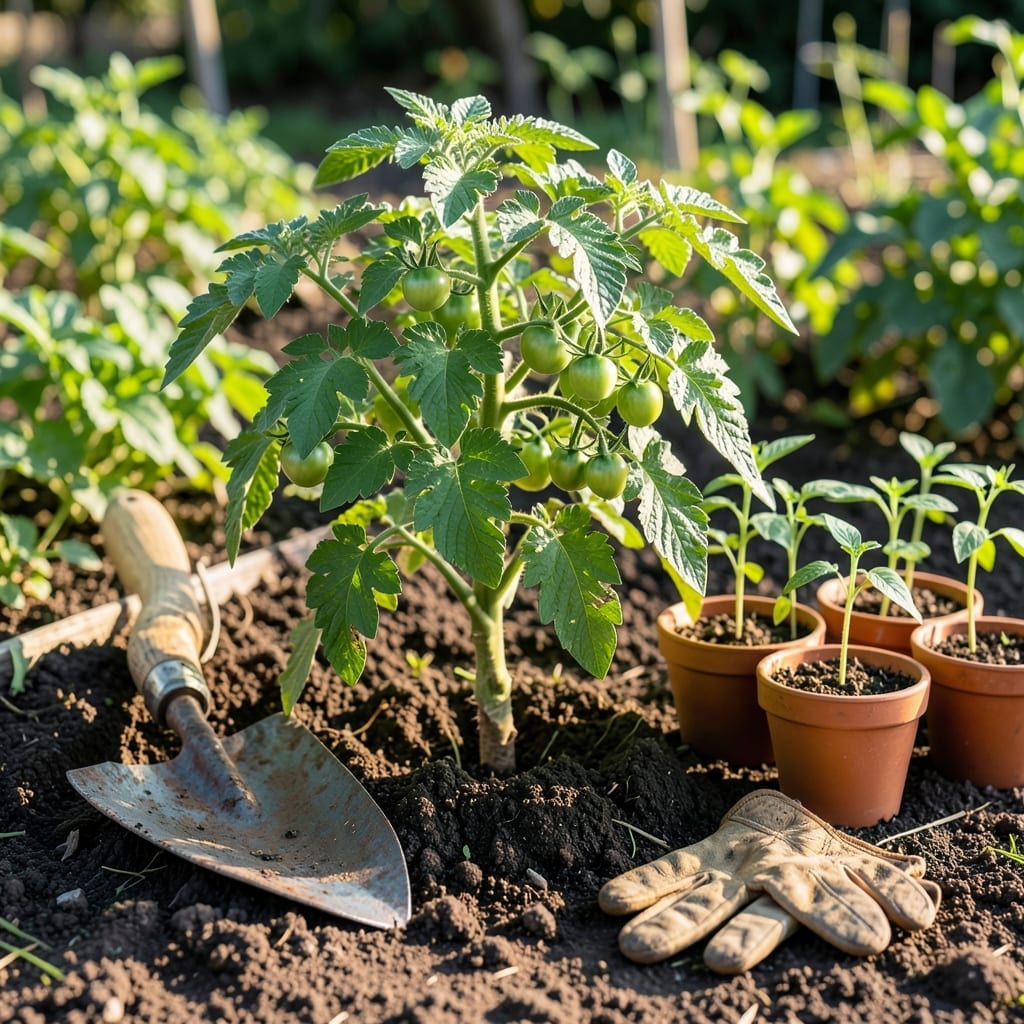
Timing is everything when it comes to planting a thriving General Garden in Tennessee. Plant too early, and frost might wipe out your seedlings; too late, and the summer heat could stunt their growth.
The Volunteer State’s unique climate in zones 6b-7a offers distinct advantages for gardeners. Knowing when to start can mean the difference between a bountiful harvest and a frustrating season.
I’ve learned through experience that understanding your local frost dates and soil temperatures is the key to success. These factors determine the perfect window for getting your plants in the ground.
Let me walk you through the ideal planting schedule for Tennessee, so you can discover when to sow those seeds for the best possible results this growing season.
Tennessee spans USDA zones 4 through 8, meaning planting times vary widely. In West Tennessee (zone 7-8), you can start warm-season crops earlier than in East Tennessee (zone 6-7).
I always check the last frost date for my area. In Nashville (zone 7a), it’s around April 15, while Memphis (zone 8a) sees frost as late as March 30. Knowing this helps me plan safely.
| Region | USDA Zone | Last Frost Date | Planting Window |
|---|---|---|---|
| West Tennessee | 7-8 | March 30 | March – May |
| Middle Tennessee | 6b-7a | April 15 | April – June |
| East Tennessee | 6a-7a | April 20 | April – May |
For cool-season crops like lettuce and spinach, I plant 4-6 weeks before the last frost. These thrive in cooler soil and can handle light frosts, making them perfect for early spring or fall.
Warm-season crops such as tomatoes and peppers need soil temps above 60°F. I wait until after the last frost to transplant these, usually mid-April in Middle Tennessee.
In East Tennessee, the higher elevation means cooler nights. I often delay planting heat-loving crops like cucumbers until early May to avoid stunting their growth.
For fall gardens, I count backward from the first frost date (around October 15 in most areas). Broccoli and kale can be planted in late summer for a harvest before winter.
I also watch the soil temperature closely. A soil thermometer helps me confirm it’s warm enough for beans and corn, which need at least 55°F to germinate well.
Tennessee’s humid summers can stress some plants. I use mulch to retain moisture and plant drought-tolerant varieties like okra and sweet potatoes in the hottest months.
Finally, I always adjust based on microclimates. Urban areas like Chattanooga may have slightly warmer conditions than rural spots, allowing for earlier planting of heat-loving herbs like basil.
With these tips, I’ve found my Tennessee garden thrives when I respect the region’s diversity and plan carefully around its unique climate. ☀️
Tennessee’s mild winters and hot summers create a unique growing window for gardeners. I’ve found that cool-season crops thrive in early spring and fall, while warm-season varieties love the summer heat. Timing is key to avoid frost damage or heat stress. 🌱
From March to May, I plant lettuce, spinach, and peas for early harvests. As temperatures rise, I switch to tomatoes, peppers, and cucumbers after the last frost, typically around April 15. 🌿
For year-round harvests, I stagger plantings every 2-3 weeks. This ensures a continuous supply of fresh produce. Succession planting works especially well with bush beans and zucchini. 🌻
In late summer, I prepare for fall by planting fast-growing greens like arugula and mustard. These tolerate light frosts and can often be harvested into November with proper protection. ☀️
Don’t forget herbs! I plant basil and cilantro in May for summer use, while parsley and chives can handle cooler temperatures in spring and fall. They add flavor and diversity to my garden. 🌿
Finally, I always monitor soil temperature. Most warm-season crops need soil above 60°F, while cool-season crops prefer 40-50°F. A simple soil thermometer helps me plant at the optimal time. 🌱