
Beautiful Plants For Your Interior
Beautiful Plants For Your Interior
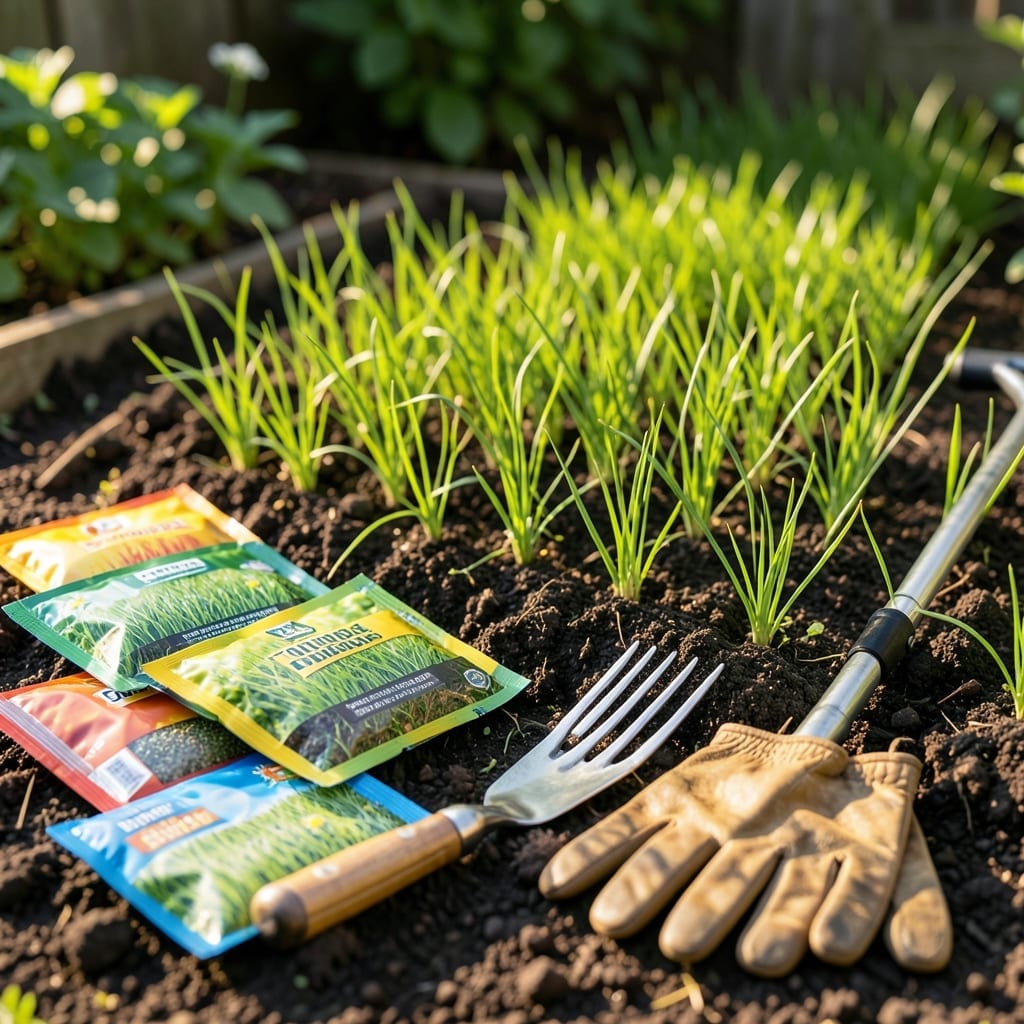
Timing is everything when planting Grass 🌱 seed in the fall—do it right, and you’ll have a thick, vibrant lawn by spring.
Plant too early or too late, and you risk poor germination, weed competition, or winter die-off. The window is smaller than you might think.
In Zone 6, the sweet spot is late August to mid-September, giving roots time to establish before frost.
Discover how to nail the timing and set your lawn up for success before winter arrives.
Fall is the perfect season to establish a lush lawn because the cool temperatures and consistent moisture create ideal conditions for grass seed germination. I always recommend aiming for late August to mid-September for most regions.
The key is soil temperature—it should be between 50-65°F. This range ensures quick germination while allowing roots to establish before winter dormancy. Planting too early may lead to weed competition, while too late risks frost damage.
| Region | Best Planting Window | Soil Temp Range |
|---|---|---|
| Northern US | Late August – Early September | 50-60°F |
| Transition Zone | Early to Mid-September | 55-65°F |
| Southern US | Mid-September – Early October | 60-65°F |
For cool-season grasses like Kentucky bluegrass, fescue, or ryegrass, I’ve found that planting 4-6 weeks before the first frost gives the best results. This timing allows seeds to germinate quickly and develop strong root systems before winter.
In my experience, early fall planting also means less watering is needed compared to spring. The cooler air reduces evaporation, and morning dew helps keep soil moist. Just be sure to monitor rainfall and supplement with 1 inch of water weekly if needed.
If you’re in USDA Zone 6 or similar, aim to finish seeding by mid-September. This gives your grass 6-8 weeks to establish before the first hard frost. I’ve seen lawns planted in this window thrive through winter and come back thicker in spring.
Don’t forget to check your local frost dates. A quick search for “first frost date + your city” will give you the exact timing. Planting too close to frost means seeds won’t have time to root properly, leaving them vulnerable to winter kill.
Another pro tip: Test your soil before planting. Grass seed germinates best in slightly acidic to neutral soil (pH 6.0-7.5). If your soil is too acidic or alkaline, amend it with lime or sulfur a few weeks before seeding for optimal results.
I also recommend aerating your lawn before seeding to improve soil-to-seed contact. This simple step can double your germination rate by ensuring seeds settle into the soil rather than sitting on the surface where they might dry out or blow away.
Finally, choose the right seed mix for your climate. If you’re unsure, ask at your local garden center for a region-specific blend. Using the wrong grass type can lead to poor establishment, even if your timing is perfect 🌱
Planting grass seed in the fall gives it a head start for spring, but proper timing and preparation are key. I always aim for late August to mid-September, when soil temps are still warm but air is cooler.
First, I test my soil’s pH and amend it if needed—cool-season grasses thrive in 6.0-7.0 pH. Then, I clear debris and loosen the top 2-3 inches of soil for better seed-to-soil contact.
After seeding, I water daily for the first 10-14 days, ensuring the soil stays consistently moist but not soggy. This is critical for germination before winter dormancy.
I avoid heavy foot traffic on the new grass for 4-6 weeks to protect delicate roots. If weeds pop up, I hand-pull them instead of using herbicides, which can harm young seedlings.
For fertilization, I apply a starter fertilizer high in phosphorus to boost root growth. But I skip it if my soil test shows high phosphorus levels already.
Finally, I mulch with a thin layer of straw to retain moisture and protect seeds from birds. By following these steps, my lawn is always thicker and greener come spring 🌱